Audi sues German importer over unauthorized AUDI EV sales, denies brand rejection
Audi's German headquarters initiated legal proceedings against Munich-based parallel importer AUTO CHINA for selling SAIC Audi-produced AUDI E5 Sportback and E7X models in Germany without authorization. On September 21, Audi China and SAIC Audi issued statements clarifying the action targets unauthorized sales channels, not the AUDI brand itself, which remains central to Audi's dual-brand electric strategy. The importer had listed the vehicles at prices approximately 142,000 yuan higher than in China.
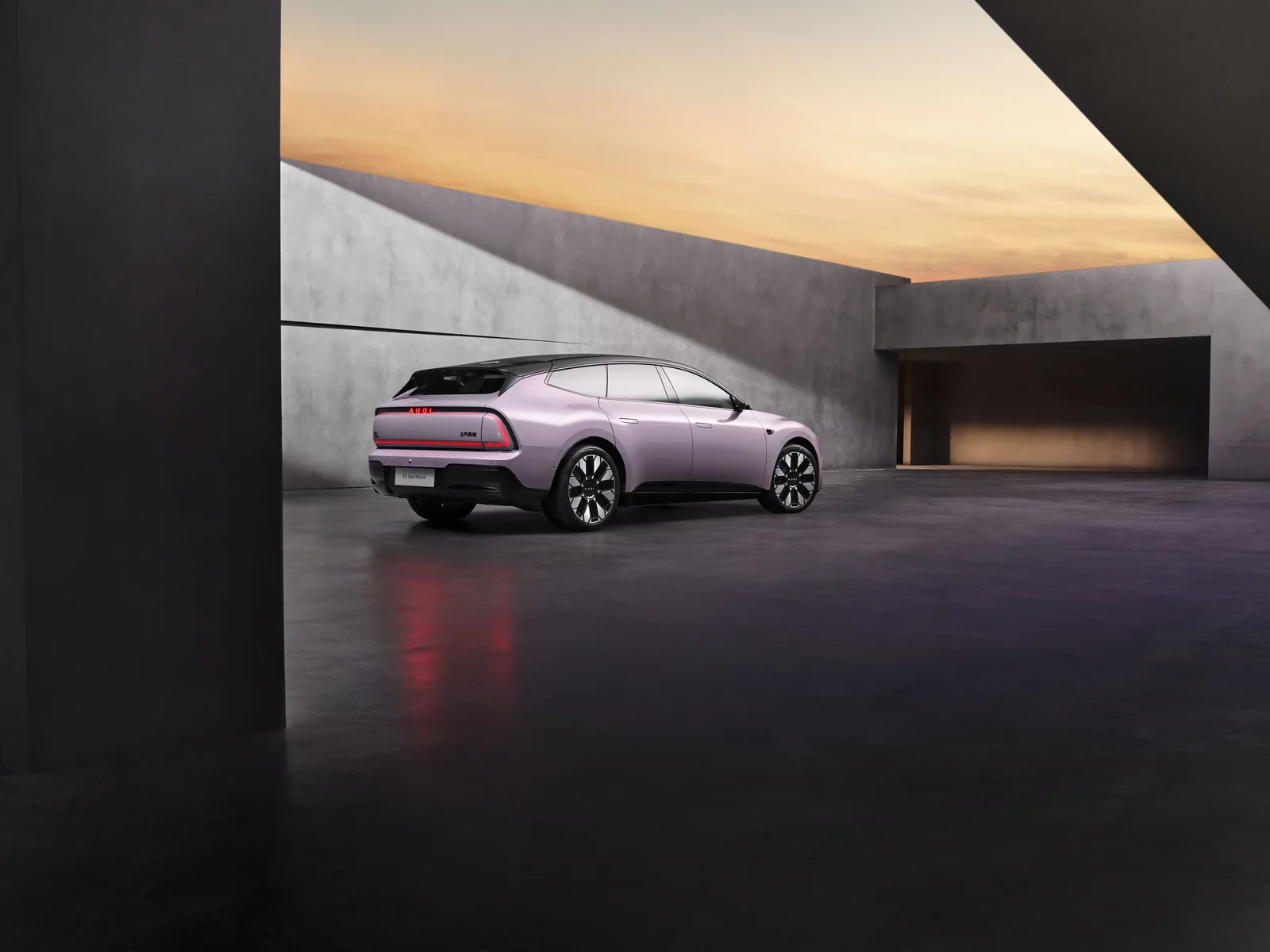 Reference image
Editorial responsibility
- No named human review is recorded for this page.
- Reports are grouped by semantic similarity and deterministic rules. Language models may assist titles, summaries, translation and cross-source analysis; the page reads the event directly, while its address stays stable when the title changes.
- Summary covers the current reports
Cross-source coverage
Common ground
- The dispute centers on parallel imports of Chinese-made AUDI cars to Germany, which undercuts Audi's European pricing and dealer network.
- Audi's legal action is a standard response to unauthorized sales, not a rejection of its Chinese joint venture brand.
- The price gap between Chinese and German markets reflects Audi's deliberate pricing strategy to compete with domestic EVs in China.
- The AUDI brand's sales figures are modest and not yet a market revolution, though its growth trajectory is notable.
- Workers on both sides—Chinese and German—face real consequences from this disruption, including job insecurity and wage pressures.
Points of contention
- Whether this dispute is a routine commercial matter or a sign of a fundamental shift in global auto power dynamics.
- Whether Audi's legal response reveals a colonial mindset or is simply standard contract enforcement without cultural bias.
- Whether Chinese manufacturing efficiency is due to strategic investment and scale or relies on exploitation and state subsidies.
- Whether the AUDI brand's sales performance is remarkable for a new launch or unimpressive compared to established competitors.
- Whether the real tension is between China and Germany or between Audi's two competing Chinese joint ventures, FAW and SAIC.
Blind spots
- The debate largely ignored the specific labor practices and working conditions at SAIC's factories, relying on assumptions rather than data.
- The human cost of disruption for communities in both China and Germany was acknowledged but not deeply explored with concrete examples.
- The potential for global labor standards to address the race to the bottom was raised but never seriously discussed as a solution.
- The role of Audi's internal corporate politics and joint venture conflicts was underplayed in favor of broader geopolitical narratives.
WorldAttention’s read
This dispute is both a routine contract fight over parallel imports and a signal of deeper changes in the auto industry. Audi's legal action is standard, but the fact that Chinese-made cars are being blocked from Germany highlights the awkwardness of a global brand managing regional pricing and competing joint ventures. The real story is less about a civilization clash and more about Audi trying to balance its partnerships with FAW and SAIC while protecting its European market. Workers on both sides are caught in the middle, and the debate missed a chance to discuss fair labor standards. In the end, this is a messy corporate conflict, not a revolution—but it does reflect the growing tension as Chinese manufacturing becomes more competitive.
Reporting timeline
Audi Blocks Parallel Imports of AUDI Models to Germany; SAIC Audi Cites After-Sales Service
Audi's German headquarters has taken legal action against importers bringing the new AUDI electric brand vehicles into Germany without authorization, according to a statement from Audi (China) on September 21. The move follows reports that Audi was blocking the parallel import of AUDI models. SAIC Audi responded that the action pertains to after-sales service for non-official parallel imports, not a denial of the AUDI brand itself. The AUDI brand, launched in November 2024 as a joint venture between Audi and SAIC, uses a four-letter logo instead of the traditional four rings and targets the Chinese market. The first production model, the E5 Sportback, launched in September 2025. Importer Auto China had introduced the E5 Sportback and E7X to Germany, but both were removed from its website by September 18 after Audi initiated legal proceedings. The dispute comes as Audi faces a 19.3% year-on-year sales decline in China for the first half of 2026, with SAIC Audi's sales volume still less than one-tenth of FAW Audi's.
Read sourceAudi China Denies Rumors That Headquarters Does Not Recognize AUDI Brand
On September 21, Audi China issued a statement denying rumors that Audi's global headquarters does not recognize the AUDI brand, clarifying that AUDI is a new all-electric brand launched in China as part of a dual-brand strategy. The statement followed media reports that German traders were parallel-importing China-specific Audi EVs to Germany, prompting Audi headquarters to take legal action against unauthorized importers to protect overseas consumer rights. Audi China emphasized that the headquarters' actions target unauthorized sales channels, not the brand itself. Earlier, SAIC Audi marketing chief Xie Shiqi criticized some reports as炒作 and misinterpretation, explaining that Audi's statement about non-provision of after-sales service for parallel imports was a service issue, not brand rejection. The German parallel importer AUTO CHINA, based in Munich, was found to still list the AUDI E5 Sportback on its website. Analysts noted that Audi's legal move aims to protect the AUDI brand's commercial interests and local consumer rights, but similar conflicts may increase as China's new energy vehicle industry grows globally.
Read sourceAudi China Denies Reports of Blocking AUDI Brand Vehicles from German Market
Audi (China) Enterprise Management Co. and SAIC Audi issued separate statements on September 21 to clarify widespread media reports that Audi's German headquarters was blocking AUDI-branded vehicles from entering the German market. The companies explained that legal actions taken by Audi's headquarters were directed at unauthorized parallel importers, not at the AUDI brand itself. Audi China stated that the legal measures aim to protect consumers by ensuring that vehicles sold outside official channels cannot receive after-sales service from the European dealer network. The AUDI brand, a joint electric vehicle brand developed with SAIC Group for the Chinese market, uses a letter logo instead of the traditional four rings. The dispute arose after German importers brought the AUDI E5 Sportback and E7X models to Germany via parallel imports. Both Audi China and SAIC Audi reaffirmed their commitment to the AUDI brand, calling the reports a misinterpretation. SAIC Audi noted that the AUDI E5 Sportback and E7X have achieved cumulative sales of 10,434 units by the end of August, with the E7X becoming the first BBA pure electric model to surpass 10,000 sales within 100 days of launch.
Read sourceShow 2 older updatesHide older updates
Audi Denies Rejecting AUDI Brand, Calls It Core to Electric and Smart Transformation
Audi and SAIC Audi have publicly denied market rumors that Audi's global headquarters does not recognize the AUDI brand. The rumors stemmed from Audi Germany's legal action against unauthorized parallel imports of AUDI E5 Sportback and E7X models into Germany. SAIC Audi's deputy general manager Xie Shiqi stated on September 21 that Audi's global headquarters fully embraces the AUDI brand and considers it core to its electric and intelligent transformation. He clarified that the legal action targets unauthorized imports, not the brand itself, and that parallel imports are treated as third-party vehicles. Audi China also issued a statement emphasizing that the legal action is to protect overseas consumer rights and that reports about lack of service support were misinterpreted. The article highlights Audi's commitment to the AUDI brand through the recent establishment of the Audi Innovation and Technology Center in Shanghai and CEO Gernot Döllner's active participation in AUDI events. AUDI E7X sales exceeded 10,000 units within 100 days of launch, making it the first luxury pure electric model to achieve this milestone.
Read sourceAudi China and SAIC Audi Issue Statements on Legal Action Against Parallel Importers
Audi China and SAIC Audi issued separate statements on September 21 clarifying that Audi headquarters' legal action against German parallel importer AUTO CHINA is aimed at protecting overseas consumer rights and ensuring after-sales service, not a rejection of the AUDI brand. The importer, based in Munich, had been selling two SAIC Audi-produced AUDI models (E5 Sportback and EX7) in Germany at prices significantly higher than in China—a difference of about 142,000 yuan per vehicle. Audi China emphasized that AUDI is a new electric brand under Audi's dual-brand strategy in China, and that no official export plan exists. Industry analysts noted the conflict reflects growing tensions as Chinese EV brands expand globally, with Chinese auto brands capturing 4.0% of the German market in the first eight months of 2025.
Read source