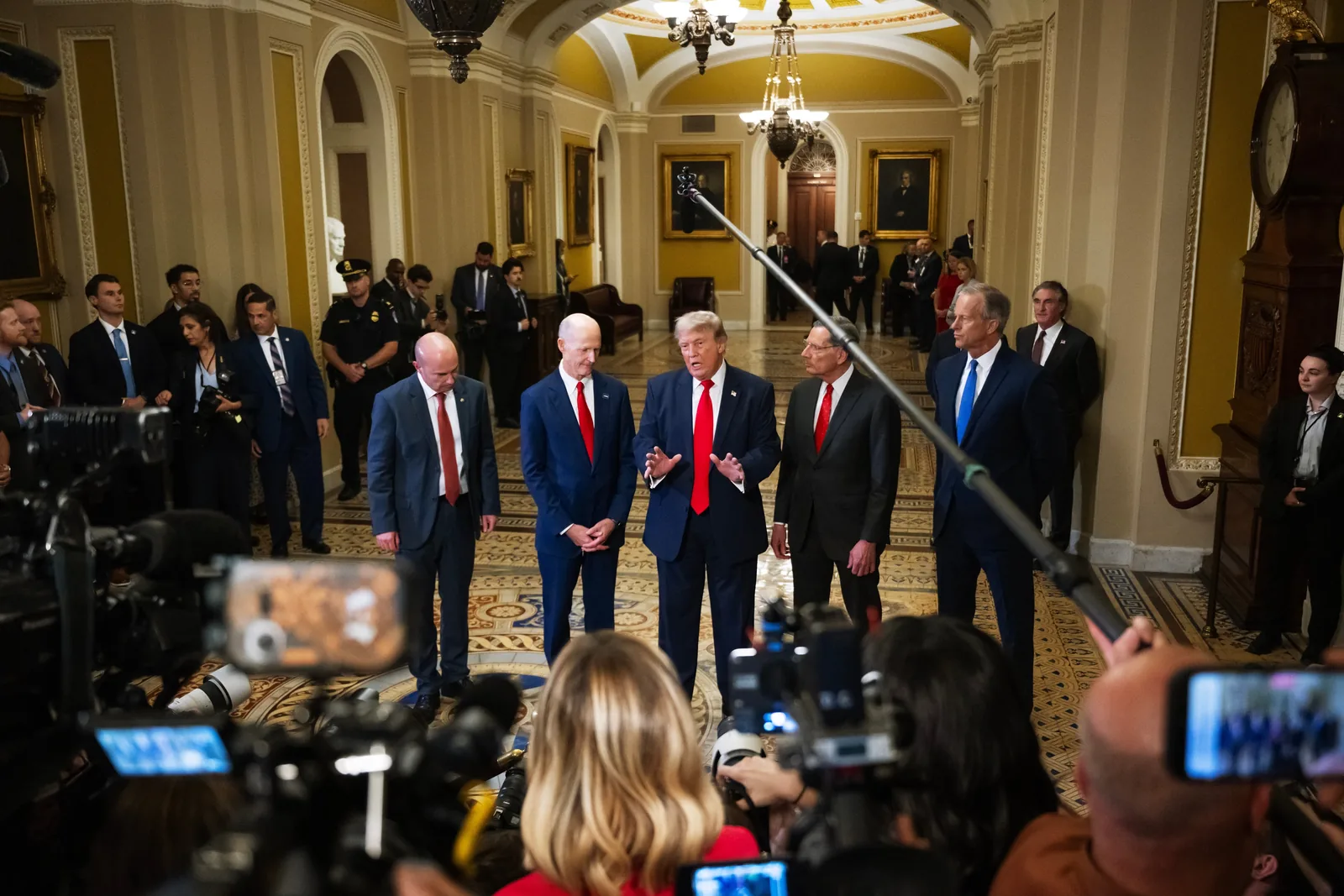
President Donald Trump has reignited the debate over making daylight saving time permanent, urging the Senate to pass the House-approved Sunshine Protection Act. Trump publicly shared Senator Tom Cotton's cellphone number to pressure him, as Cotton opposes the bill citing past failed experiments with permanent DST. The House passed the bill in July 2026 with a 308-117 vote. Senator Katie Britt expects dialogue on the issue. The U.S. briefly tried permanent DST in 1973-1974 but repealed it due to public dissatisfaction with dark winter mornings.
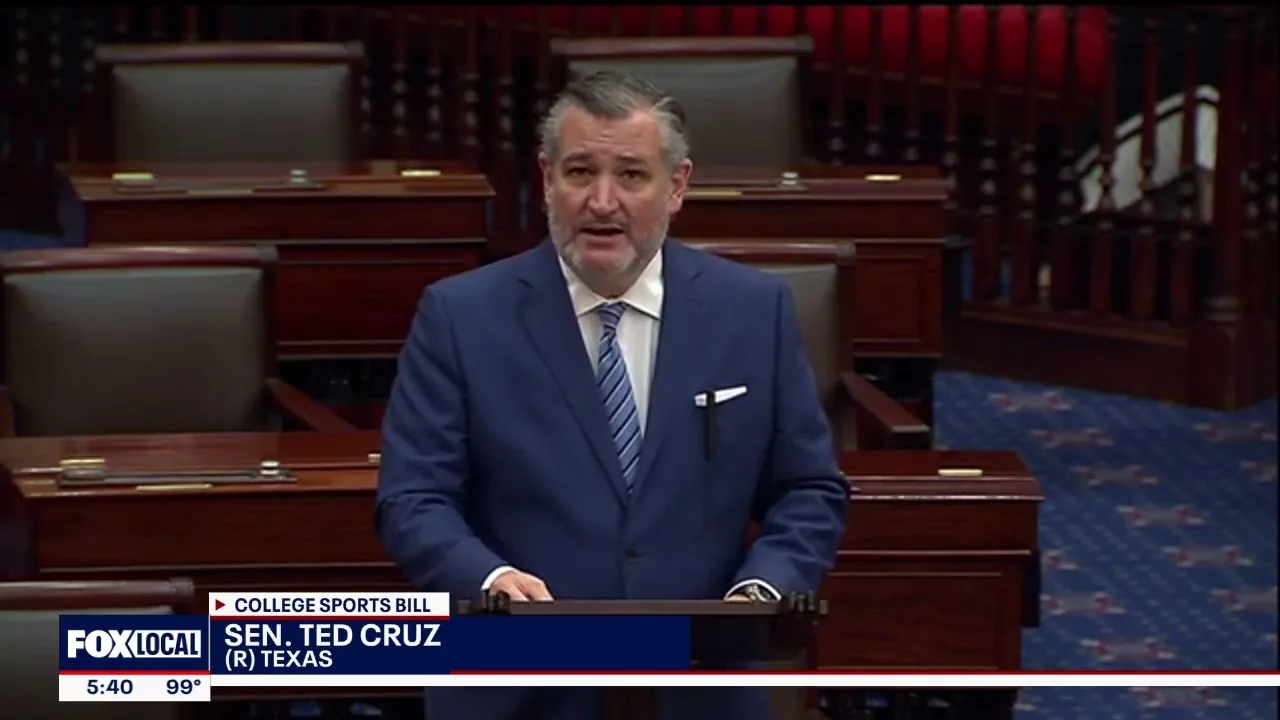
The U.S. Senate passed the bipartisan Protect College Sports Act with a 77-22 vote, creating the first federal framework for college athletics. The bill addresses name, image, and likeness (NIL) deals, transfer limits, and athlete compensation. Sponsored by Senators Ted Cruz and Maria Cantwell, the legislation now moves to the House of Representatives, where its future is uncertain due to opposition and a recess period. President Trump celebrated the passage.
The U.S. Senate narrowly rejected a resolution to limit President Trump's authority to order military strikes against Iran without congressional approval. The 50-49 vote fell largely along party lines, with four Republican senators breaking ranks to support the measure. The resolution's failure leaves the Trump administration with continued flexibility to conduct military operations against Iran without explicit congressional authorization, highlighting ongoing tensions between the executive and legislative branches over war powers.
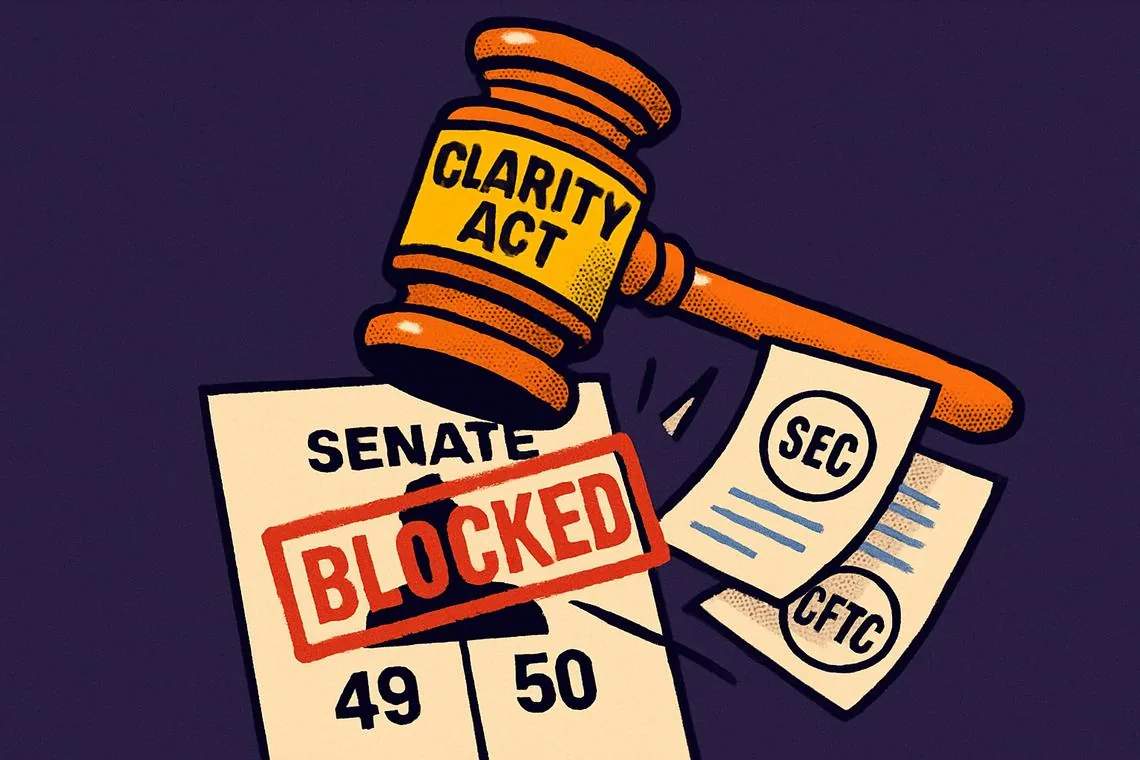
The U.S. Senate failed to advance the CLARITY Act, a crypto market-structure bill, in a procedural vote on September 15, 2026, receiving 50 votes for and 49 against, short of the 60 needed. Bitcoin initially fell below $76,000, but by September 21 it surged to an eight-month high of $86,282.09, driven by a short squeeze liquidating $454 million in Bitcoin shorts. The Trump administration responded with several pro-crypto regulatory moves, including SEC and CFTC actions and House committee bills.
The U.S. Senate voted 50-49 on a motion to proceed with the Digital Asset Market Clarity Act, a 600-page bill to establish the first federal regulatory framework for digital assets and clarify SEC and CFTC jurisdiction. The vote fell short of the 60-vote threshold needed to advance. Opposition centered on insufficient investor protections and ethics concerns over President Trump’s $1.4 billion in crypto earnings. The bill remains on the Senate calendar for potential future negotiations.
7 reports · 3 sources · Updated
Periodic recap
What changed for this subject in each tracking window — generated from matched events, delta-first.
· 1 event in window
Senate activity was minimal this period, with only one tracked event and no accompanying title or summary details provided. Compared to last period's substantive legislative progress on the Protect College Sports Act, no confirmable new developments or agenda changes occurred in this window. There is insufficient information to determine whether the Senate took any meaningful legislative or procedural action between October 12-13.
Only one Senate-related event was tracked this period, but its title and summary details were not provided.
Compared to last period's passage of the Protect College Sports Act, no confirmable legislative progress occurred this period.
The single event was reported by one source with 14 articles, but lacked specific content.
Earlier recaps
· 1 event in window
Following last period's contentious debate over the Iran war powers resolution, the Senate shifted to domestic legislation this period, passing the bipartisan Protect College Sports Act by a 77-22 vote. The bill creates the first federal framework for college athletics, addressing NIL deals, transfer limits, and NCAA eligibility rules. It now moves to the House, where its future is uncertain amid opposition from the Congressional Black Caucus and House Majority Leader Steve Scalise.
· 1 event in window
The Senate voted 50-49 to reject a war powers resolution that would have required President Trump to end U.S. military involvement in hostilities with Iran or seek congressional approval. Four Republican senators broke ranks, reflecting frustration over prolonged military costs. The resolution's failure leaves the president's authority to order strikes against Iran without prior congressional approval intact.
· 1 event in window
The Senate failed to advance the Digital Asset Market CLARITY Act in a 50-49 procedural vote in mid-September, falling short of the 60-vote threshold and effectively ending the bill's chance of passing in 2026. Markets reacted sharply, with Bitcoin dropping over 4% to below $76,000, crypto stocks like Coinbase falling 6%, and spot Bitcoin ETFs seeing $450 million in single-day outflows. Regulatory focus now shifts to the SEC and CFTC.
· 1 event in window
The Senate passed the Lindsey O. Graham Sanctioning Russia and Iran Act of 2026 in an 86-11 bipartisan vote, authorizing up to 100% tariffs on top buyers of Russian oil and gas. The bill also imposes sanctions on Russian officials, oligarchs, and Iran's energy sector. It now heads to the House, where expanded presidential tariff authority creates uncertain prospects.
· 1 event in window
The Senate HELP Committee advanced President Trump's nominees for CDC and ASPR along party lines on July 30. Dr. Erica Schwartz's nomination for CDC director passed 13-10, with Democrat Tim Kaine crossing party lines citing urgent health threats like Ebola and measles. Sean Kaufman's nomination for ASPR assistant secretary advanced 12-11 after he agreed to avoid vaccine policymaking. Both nominees face full Senate confirmation amid concerns over political interference from HHS Secretary Robert F. Kennedy Jr., who has pursued a vaccine-skeptical agenda.
Tracked events
Events matched to this subject by the tracking pipeline, with signal scores.
 Reference image