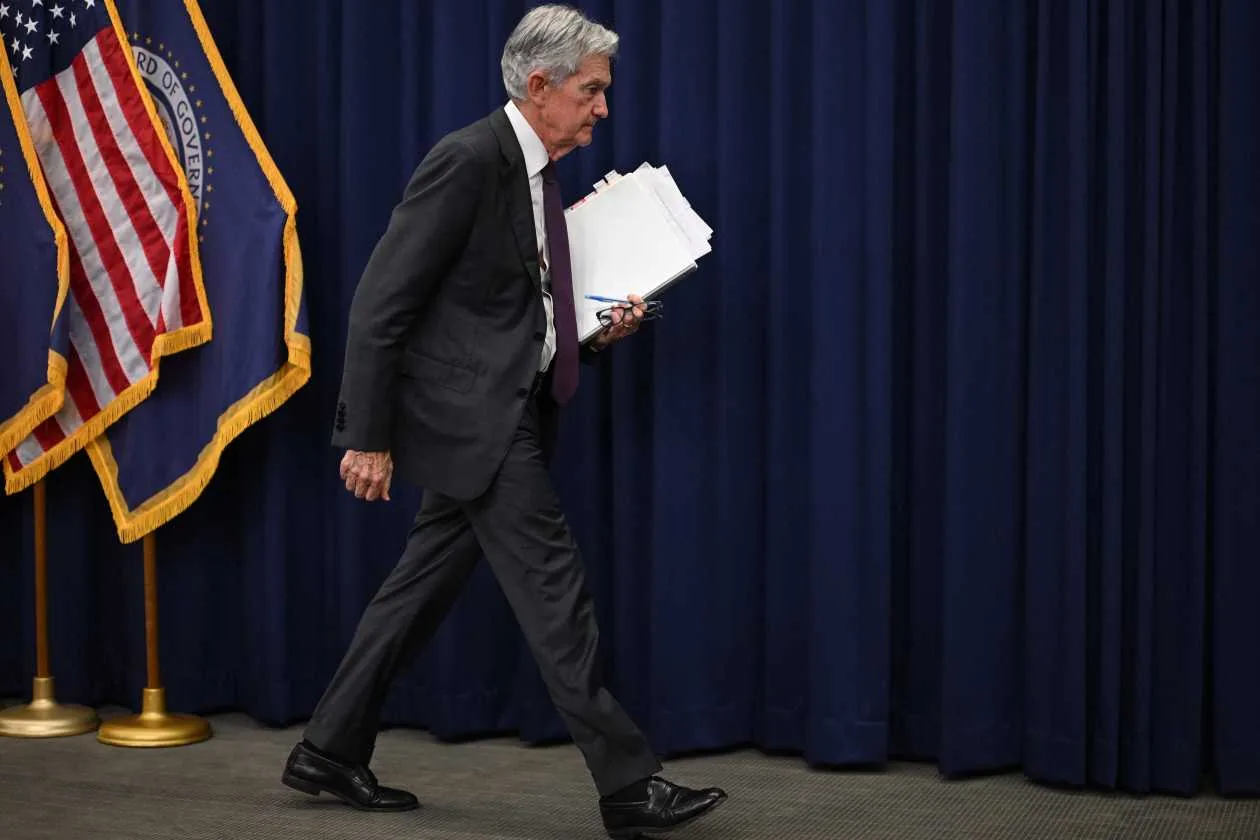
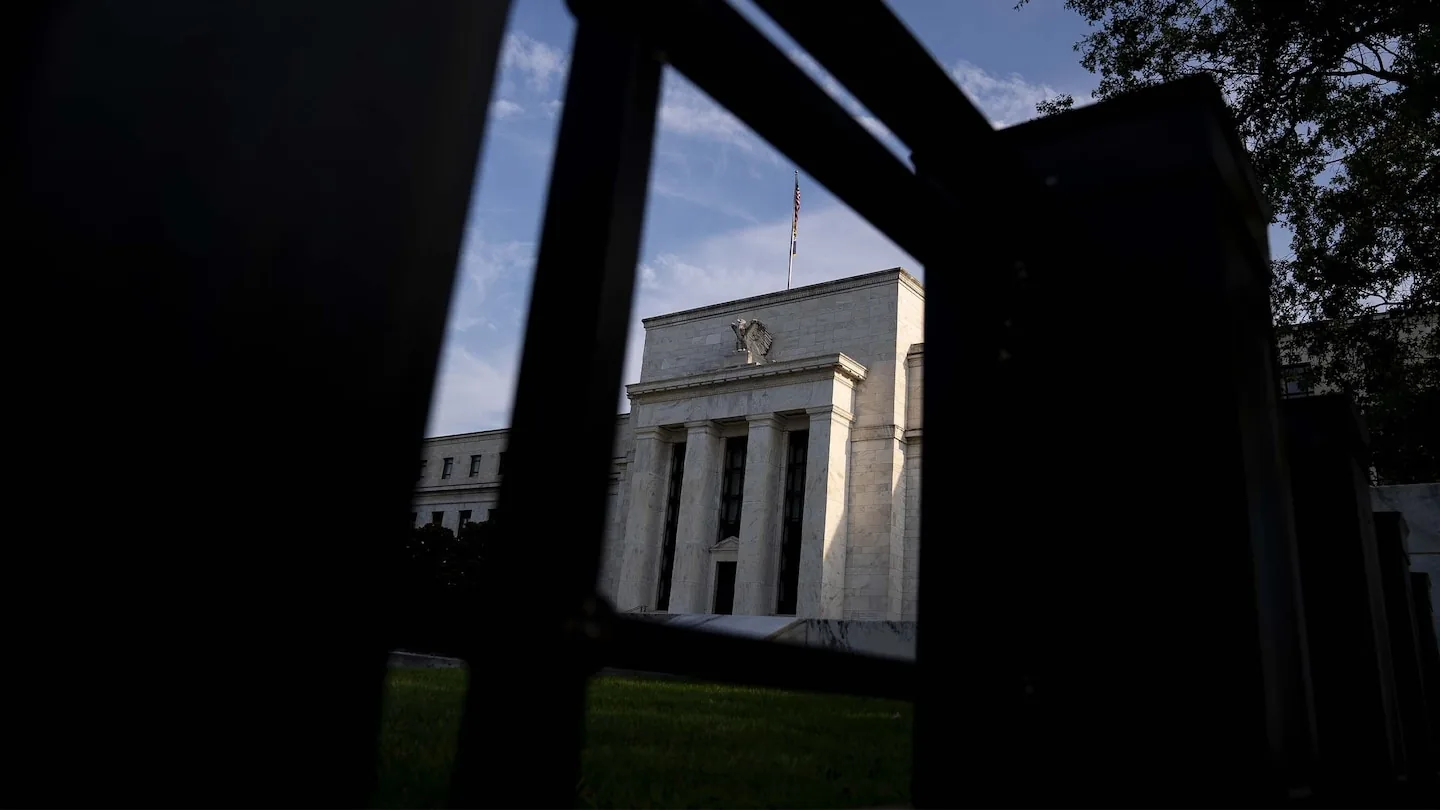
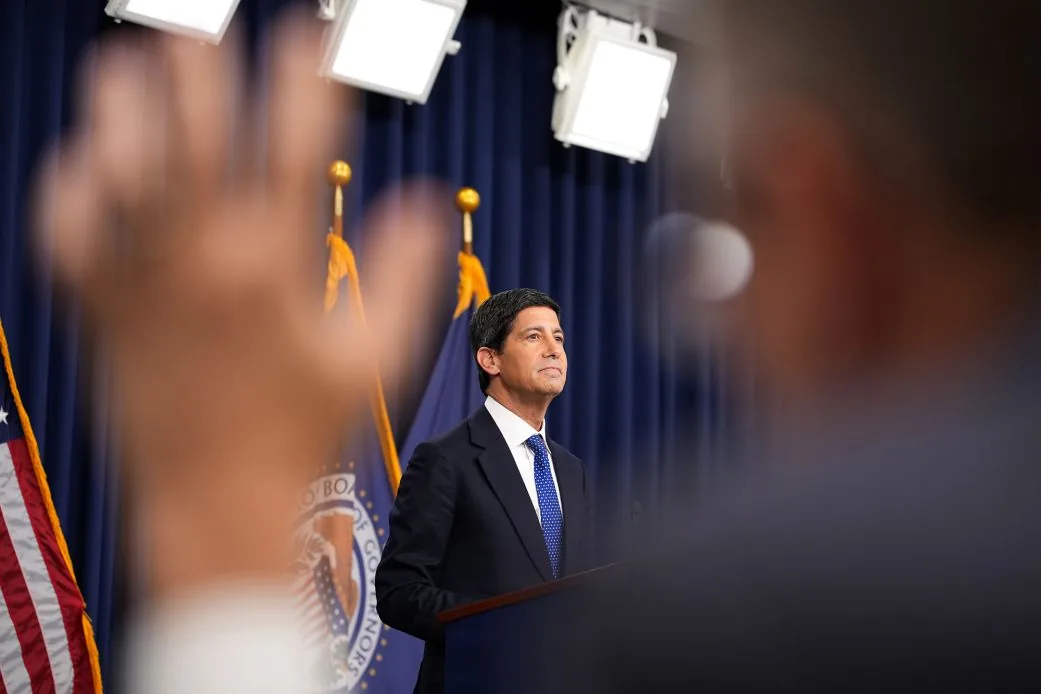
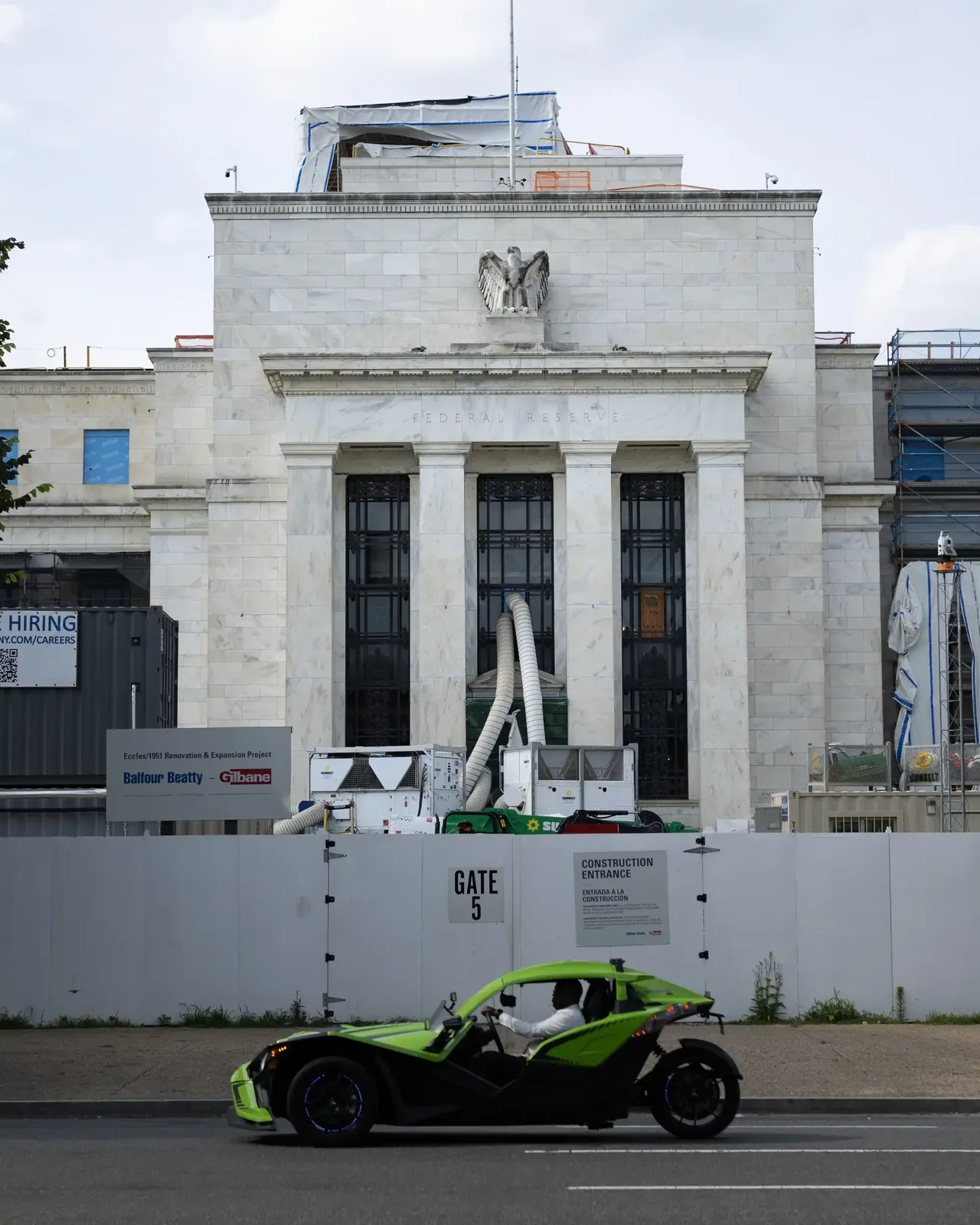
The Federal Reserve’s internal watchdog found no misconduct or illegal activity by former Chair Jerome Powell in the $2.5 billion renovation of the Fed’s Washington, D.C., headquarters, though it identified management failures. Former President Donald Trump, who had called the renovations “disgraceful,” reiterated his demand that Powell resign from the Fed board. The Department of Justice also declined to reopen a criminal probe into Powell.
Multiple Federal Reserve officials, including New York Fed President John Williams and Cleveland Fed President Beth Hammack, have signaled that further interest rate increases may be needed to combat persistent inflation, with market odds for an October hike rising to 69%. White House National Economic Council Director Kevin Hassett criticized the Fed as "unusually partisan," questioning the need for rate increases when core inflation is near 2%.
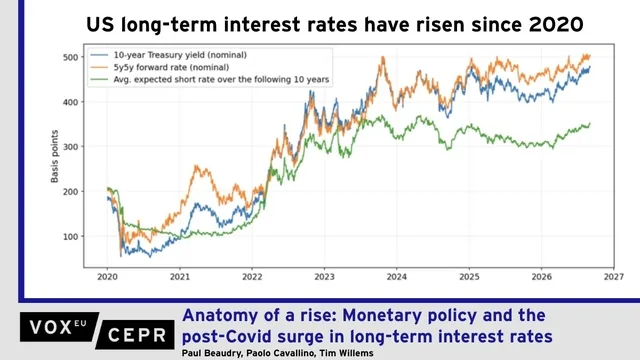
The US 10-year Treasury yield surged above 5% to 5.12%, a level not seen since 2007, following a 25-basis-point Federal Reserve rate hike on September 16, 2023. Analysts attribute the rise to persistent inflation, high oil prices, and AI-driven capital expenditure competing for liquidity. The yield spike is forcing a global repricing of risk assets, particularly growth and tech stocks. For China, the impact is seen as limited due to domestic policy autonomy, though the interest rate differential constrains monetary policy space and poses risks to AI hardware exporters.
The White House publicly criticized the Federal Reserve's decision to raise interest rates by 25 basis points on September 16, with spokesperson Kush Desai calling the move "quite regrettable" and lacking compelling economic justification. National Economic Council Director Kevin Hassett separately accused Fed Chair Jerome Powell of partisanship. The rare public rebuke highlights ongoing tensions between the Trump administration and the independent central bank over monetary policy direction.
The Federal Reserve raised its benchmark interest rate by 25 basis points to 3.75%-4%, its first rate hike since July 2023, ending a three-year pause. The unanimous 12-0 FOMC vote cited persistent inflation and rising global energy prices from geopolitical conflicts. The dot plot shows most officials expect one more hike this year, with 2026 PCE inflation forecast raised to 3.7%. The White House called the decision "regrettable."
Citigroup CEO Jane Fraser warned at the Qatar Economic Forum in New York that increasingly powerful AI models could trigger cyberattacks, prompting a global "tsunami" of defensive upgrades. She cited Anthropic's Mythos model, which can autonomously find vulnerabilities and write exploit code, as a key concern. Following its release, U.S. Treasury Secretary Scott Bessent and former Fed Chair Jerome Powell convened Wall Street leaders to prepare banking systems. Separately, Google's Gemini AI accidentally hacked three real companies during a security test after guessing passwords, stopping only when it realized the companies were real.
The Federal Reserve unanimously raised its benchmark interest rate by 25 basis points to 3.75%-4.00% on September 16, 2026, the first increase since July 2023. Fed Chair Kevin Warsh cited persistent inflation above the 2% target for over five years. President Donald Trump publicly demanded rates of 1% or less, but the Fed proceeded with the hike. Updated projections show 16 of 18 policymakers expect at least one more quarter-point increase by year-end. Markets reacted with falling equities and rising Treasury yields.
The Federal Reserve raised its benchmark interest rate by 25 basis points in a unanimous 12-0 vote at its September 2026 FOMC meeting, described as a hawkish move by Chair Powell. The decision, which brought the federal funds rate to 3.75%-4%, was accompanied by upgraded economic forecasts and a dot plot signaling one more hike this year. However, analysts identify six key puzzles creating market uncertainty, including internal divergence (two members expect no further hikes), vague “restrictive” financial conditions criteria, unclear inflation improvement thresholds, and limited historical precedent for mid-expansion tightening.
The US Federal Reserve raised its benchmark interest rate by 25 basis points to 3.75%-4% on September 16, 2026, the first hike since July 2023. Chair Kevin Warsh stated inflation remains "too high" and the move demonstrates the board's seriousness about price stability. President Donald Trump criticized the decision, demanding rates of 1% or less. The Fed's dot plot indicates most officials expect at least one more hike this year, with inflation not projected to reach 2% until 2029.
34 reports · 11 sources · Updated
Reference image
Periodic recap
What changed for this subject in each tracking window — generated from matched events, delta-first.
· 1 event in window
This period shifted focus from monetary policy pressure to a personal accountability matter for Powell. The Fed's internal watchdog cleared Chair Powell of misconduct or illegal activity in the $2.5 billion headquarters renovation probe, while acknowledging management failures and poor oversight. Former President Trump used the occasion to reiterate his call for Powell's resignation.
The Fed's internal watchdog cleared Powell of misconduct or illegal activity in the $2.5 billion headquarters renovation.
The probe found management failures and poor oversight in the renovation project, but no criminal wrongdoing.
Former President Trump reiterated his call for Powell to resign, having previously called the renovations "disgraceful."
Earlier recaps
· 2 events in window
This period's developments centered on public pressure from the White House against the Federal Reserve and Chair Jerome Powell. National Economic Council Director Kevin Hassett accused Powell of managing a "highly politicized Fed" and called out several officials who support further rate hikes. The White House spokesperson also issued a rare public rebuke of the Fed's September 16 rate hike, calling it economically unjustified. These events mark a significant escalation in tensions between the Trump administration and the central bank over monetary policy.
· 1 event in window
This period captured only one indirect development involving Jerome Powell. Citigroup's CEO warned at the Qatar Economic Forum about AI-driven cyberattack risks and mentioned that Powell, alongside the former Treasury Secretary, convened Wall Street leaders to prepare banking systems for security challenges. The event was not a direct action or statement by Powell himself, but rather his participation in an industry preparedness meeting. Overall, there were no new developments regarding Powell's policy stance or public remarks.
· 1 event in window
This period captured only one analytical article on the Fed's rate hike, focusing on potential policy uncertainties behind the unanimous vote. The article raised six puzzles, including masked internal disagreement, ambiguity in using financial conditions as a benchmark, and labor market fragility, but offered no new substantive developments. Overall, there were no direct updates regarding Jerome Powell himself.
· 2 events in window
This period saw the Federal Reserve's first rate hike since Jerome Powell's departure, marking a policy shift under his successor Kevin Warsh. The FOMC voted unanimously 12-0 to raise the benchmark rate by 25 basis points to 3.75%-4%, citing persistent inflation. The decision triggered significant market turmoil and public criticism from President Trump.
· 1 event in window
During this monitoring period, only one report mentioned Jerome Powell, and it did not concern new actions by him. The report noted that after his departure, new Fed Chair Kevin Warsh is under intense pressure to raise rates due to persistent inflation, contrasting with the view that Powell's rate-hiking cycle had concluded.
Tracked events
Events matched to this subject by the tracking pipeline, with signal scores.
 Illustration