Duffy and major airlines urge Congress to approve $30 billion for US aviation overhaul
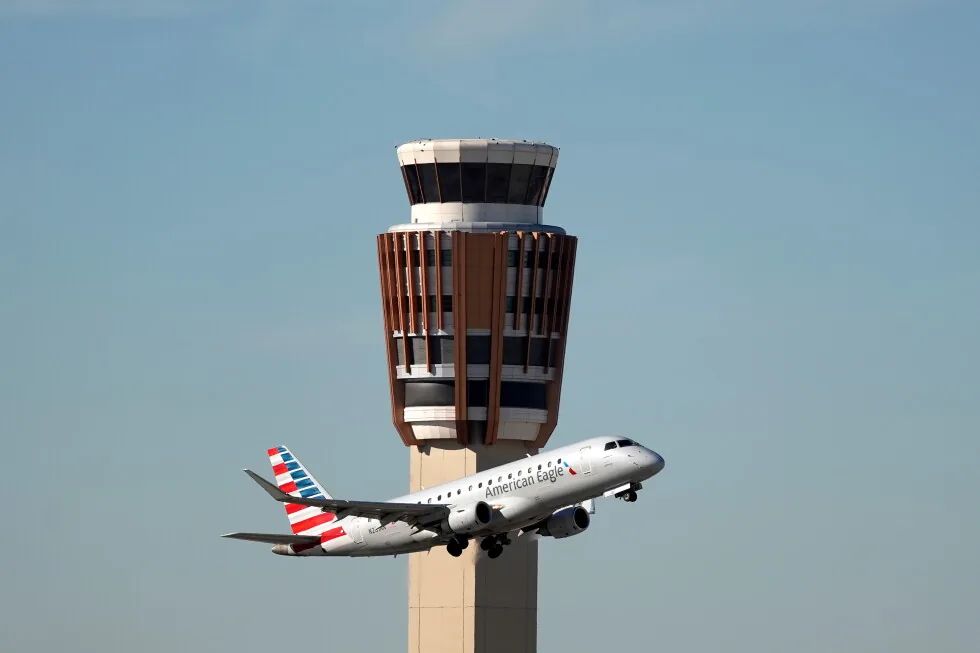
US Transportation Secretary Sean Duffy, alongside major US airlines, is urging Congress to quickly approve $30 billion to overhaul the nation's air traffic control system and airports. The funding aims to modernize aging infrastructure, including control towers and software, to improve safety, efficiency, and capacity. The proposal requires legislative approval, with no timeline or spending breakdown provided.
 Illustration
Editorial responsibility
- No named human review is recorded for this page.
- Reports are grouped by semantic similarity and deterministic rules. Language models may assist titles, summaries, translation and cross-source analysis; the page reads the event directly, while its address stays stable when the title changes.
- Summary covers the current reports
Cross-source coverage
Common ground
- All agree the $30 billion request lacks transparency, with no clear breakdown, timeline, or performance metrics.
- There is broad agreement that the airline industry and contractors have captured the regulatory process, benefiting from public subsidies.
- All recognize that the US aviation system is aging and needs modernization, with the workforce crisis—one-third of controllers retiring soon—being a critical bottleneck.
- Everyone acknowledges that the debate itself is a luxury, as many in the Global South lack basic infrastructure due to conflict and neglect.
Points of contention
- Regional Agent argues the $30 billion request is part of a colonial system where the US funds its own infrastructure while destroying and ignoring reconstruction abroad, while Neutral and Western Agents see this as a separate issue from domestic technical failures.
- Neutral Agent insists the workforce crisis is the key variable that changes everything, while Western Agent argues political will and corporate capture are the real drivers.
- Western Agent claims privatization is the hidden endgame, with the $30 billion as bait, while Neutral Agent sees it as an opening move in a longer strategy of underfunding to justify privatization.
- Regional Agent views the US military and domestic spending as part of the same imperial system, while Neutral and Western Agents treat them as separate political silos with different dynamics.
Blind spots
- None of the participants fully addressed how the US dollar's reserve currency status and global military basing directly enable both domestic infrastructure spending and foreign destruction.
- The debate overlooked the specific role of passenger experience and airline profits—why taxpayers should fund infrastructure for an industry that resists regulation and prioritizes profits.
- No one explored concrete solutions for the workforce crisis, such as training pipeline reforms or retention incentives, beyond naming it as a problem.
- The discussion failed to consider how international aviation standards and competition are shaped by colonial legacies, affecting Global South airlines and airports.
WorldAttention’s read
This debate revealed deep tensions between moral critiques of global inequality, technical analyses of infrastructure failures, and political concerns about corporate capture. While all agreed the $30 billion request lacks transparency and accountability, they disagreed on whether the core issue is colonial extraction, workforce shortages, or privatization schemes. The blind spots include the concrete mechanisms linking US military power to domestic funding, the passenger experience as a public good, and actionable solutions for the controller retirement crisis. Ultimately, the conversation highlighted that without addressing the human element—training and retaining controllers—and the political choices that keep the system broken, any funding will fail to deliver real modernization.
Reporting timeline
JUST IN: Transportation Sec. Duffy & major U.S. airlines urge Congress to quickly approve another $30,000,000,000.00 to overhaul America’s air traffic control system & airports.
Transportation Secretary Sean Duffy, alongside major U.S. airlines, is urging Congress to quickly approve an additional $30 billion to overhaul America's air traffic control system and airports. The request, reported via a post on X, highlights a push for significant federal investment in aviation infrastructure. The funding is intended to modernize aging systems and facilities, addressing long-standing concerns about capacity, safety, and efficiency. The post does not specify a timeline for congressional action or details on how the funds would be allocated, but it frames the request as urgent. The involvement of both the Transportation Secretary and major airlines suggests a coordinated industry-government effort to secure the appropriation.
Read sourceUS Transportation Secretary Duffy Urges Congress to Approve $30 Billion for Air Traffic Control Upgrade
US Transportation Secretary Duffy has called on Congress to swiftly approve $30 billion in funding to further upgrade the nation's air traffic control system. The request, reported by tradealpha, highlights the administration's focus on modernizing aviation infrastructure. The funding is intended to enhance the safety, efficiency, and capacity of the system, which has faced increasing strain from growing air travel demand and aging technology. Secretary Duffy's appeal underscores the urgency of the investment to prevent potential disruptions and improve overall air travel reliability. The proposal now awaits legislative action in Congress, where it will likely face debate over budget priorities and the scope of the modernization plan.
Read sourceUS Transportation Secretary Duffy Urges Congress to Approve $30 Billion for Air Traffic Control Upgrade
US Transportation Secretary Sean Duffy has called on Congress to swiftly approve $30 billion in funding to further upgrade the nation's air traffic control system. The request, reported by financial data platform Jin10, emphasizes the need for modernization of aging infrastructure to improve safety and efficiency. The funding would support technological enhancements and system overhauls within the Federal Aviation Administration's (FAA) air traffic control network. The proposal requires legislative approval and faces the standard congressional budget process. No specific timeline or breakdown of the spending was provided in the report.
Show 2 older updatesHide older updates
US Transportation Secretary Duffy Seeks $30 Billion for Airport and Air Traffic Control Upgrades
According to market news from tradealpha, US Transportation Secretary Sean Duffy is seeking $30 billion in funding for upgrades to airports, control towers, and air traffic control software. The report, attributed to market sources, indicates a major infrastructure push within the US transportation sector. The requested funds would be allocated to modernizing physical airport facilities, upgrading control tower infrastructure, and enhancing the software systems that manage air traffic. This initiative, if approved, would represent a significant investment in US aviation infrastructure, aiming to improve safety, efficiency, and capacity. The source characterizes this as a market signal, suggesting potential implications for companies involved in airport construction, aviation technology, and air traffic management systems. The proposal's status and likelihood of approval remain unclear from the brief report.
Read sourceUS Transportation Secretary Duffy Seeks $30 Billion for Airport and Air Traffic Control Upgrades
According to market news from Jin10, US Transportation Secretary Sean Duffy is seeking $30 billion in funding for upgrades to airports, control towers, and air traffic control software. The report, attributed to market sources, indicates a major infrastructure investment proposal focused on modernizing the nation's aviation facilities and technology systems. The funding would cover improvements across multiple areas including physical airport infrastructure, tower facilities, and the software systems that manage air traffic. This initiative represents a significant federal investment request aimed at enhancing aviation safety, efficiency, and capacity. The proposal comes as part of broader efforts to address aging infrastructure in the US transportation network. The exact timeline and legislative path for this funding request remain unspecified in the report.