US midterm voters back data center bans and restrictions across 10 states
In the US midterm elections, voters in at least 10 states approved restrictions or rejected pro-development measures on data centers, with The Washington Post reporting at least 38 jurisdictions passed limiting or blocking measures. Ohio municipalities delivered decisive margins, and anti-data-center candidates won governorships in Texas, Georgia and Ohio. A Washington Post-ABC News-Ipsos poll found seven in 10 Americans opposed new data centers in their communities, while S&P Global figures cited by The Post showed more than 145 projects delayed or canceled through early August.
 Reference image
Editorial responsibility
- No named human review is recorded for this page.
- Reports are grouped by semantic similarity and deterministic rules. Language models may assist titles, summaries, translation and cross-source analysis; the page reads the event directly, while its address stays stable when the title changes.
- Summary covers the current reports
Cross-source coverage
Common ground
- The 38 ballot wins against data centers are a real and measurable pattern of public opposition.
- The industry failed by showing up with renderings and tax abatements but no rate schedule or water data.
- A higher tariff plus upfront infrastructure contributions is the real policy lever, not slogans about who pays.
- The press missed the story on substation costs and water impacts, and that was an editorial choice, not just a timing problem.
- The local veto is real leverage for ordinary people, but the grid is regional, and nobody solved how to reconcile the two.
Points of contention
- Whether the 70% ballot result is a measured price tag or just a cheap preference that would shrink if voters faced a real cost.
- Whether the local veto should be preserved as democratic leverage or overridden by a state authority that can say yes over local no.
- Whether the press blind spot was avoidable through public documents like interconnection queues and rate cases, or simply a timing problem.
Blind spots
- Nobody measured what voters would actually pay to keep data centers out, so the willingness-to-pay question remains unanswered.
- Nobody asked what the industry would offer before the vote, which is the real asymmetry in the negotiation.
- The problem of local vetoes versus a regional grid was named but not solved by anyone in the room.
WorldAttention’s read
The roundtable agreed that the ballot wins are real, the industry's failure to offer real terms before the vote is the core story, and a higher tariff plus upfront infrastructure contributions is the actual policy lever. They disagreed on whether the 70% result is a price tag or just a preference, and on whether local vetoes should be preserved or overridden. The biggest unresolved issue is how to reconcile local vetoes with a regional grid, and nobody measured what voters would actually pay or what the industry would offer before the vote.
Reporting timeline
US Data Center Backlash May Reduce AI Investment Bubble Risk, Bloomberg Reports
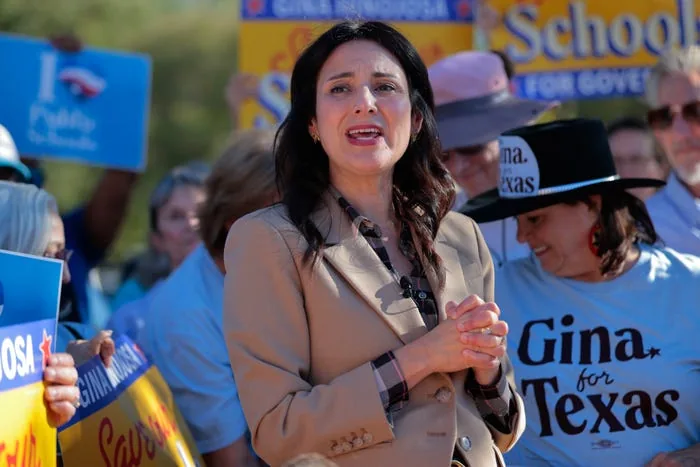
Midterm election results in the US have revealed resistance to data centers, threatening a key source of economic growth. About half of planned expansions face heightened scrutiny from newly elected Democrats in states including Texas, Georgia, and Ohio, many of whom campaigned against unlimited data center construction. Deutsche Bank Securities economist Brett Ryan said that pausing or regulating construction could prevent an oversized bubble, acting as a convenient excuse to cancel already shaky projects. Data center monthly construction spending has nearly doubled over the past 12 months to almost $100 billion annualized. Goldman Sachs estimates about 45% of planned data center capacity is in states where newly elected Democrats promised restrictions. Texas accounts for 25% of the total, with Governor-elect Gina Hinojosa vowing to halt new approvals. Evercore ISI strategist Sarah Bianchi expects state pauses to last no more than a year. A slowdown could increase financing pressure on leveraged developers and neocloud companies, though it also reduces overcapacity risk. Nomura economist Aiichiro Amemiya said the election results could provide a natural brake on the AI investment boom.
Read sourceVoters in 10 States Back Data Center Restrictions in Midterm Rebuke
Voters across at least 10 states approved restrictions or rejected pro-development measures on data centers in Tuesday's midterm elections, according to Ballotpedia and CNBC tallies, with The Washington Post reporting that voters in at least 38 jurisdictions passed measures limiting or blocking data centers. Ohio delivered decisive results, including Defiance (64.73% to 35.27%), Pataskala (73.62% to 26.38%), Granville (82.45% to 17.55%) and Ashville (81.61% against). The backlash extended into statewide races: Texas Democrat Gina Hinojosa defeated Gov. Greg Abbott after campaigning on a data center moratorium, Ohio elected Democrat Amy Acton, who supports a moratorium, and Georgia Gov.-elect Keisha Lance Bottoms made developer accountability central to her campaign. A Washington Post-ABC News-Ipsos poll found seven in 10 Americans opposed new data centers in their communities. S&P Global figures cited by The Post show more than 145 projects delayed or canceled through early August. The Data Center Coalition's Dan Diorio argued data centers generate jobs, tax revenue and investment, while OpenAI said it would pay full power costs for its own facilities and avoid nondisclosure agreements with officials.
Read sourceUS voters reject datacenter moratoriums in midterm ballot backlash against AI buildout
In Tuesday's US midterm elections, voters in at least 40 jurisdictions across 10 states rejected datacenter development, approving nearly every moratorium on the ballot. Ohio saw at least 14 municipalities pass bans or restrictions, including Sunbury where Amazon proposed a $2m project; Maine passed eight temporary moratoriums, and Emporio, Kansas approved a ban on high-impact datacenters. The only notable rejection was in Hardwood, North Dakota. Where datacenters were not directly on the ballot, anti-datacenter candidates won governorships: Gina Hinojosa in Texas pledged construction moratoriums, as did Keisha Lance Bottoms in Georgia and Amy Acton in Ohio. Elon Musk, who spent over $400m supporting conservative candidates, posted that datacenters in space look appealing. Analyst Dan Ives said the results signal a slowdown in datacenter buildout, warning that Democratic control of the Senate will create hurdles for AI and tech legislation, and citing Texas—source of 25-30% of datacenter gigawatts—as the biggest worry for tech investors.
Read sourceShow 2 older updatesHide older updates
Voters in 38 Jurisdictions Pass Data Center Bans as AI Backlash Grows
Voters in at least 38 jurisdictions across the United States passed bans or restrictions on data centers on Tuesday, according to The Washington Post, reflecting widespread public opposition to the facilities and adding to growing pushback against the artificial intelligence industry's ambitions. The article, by Miriam Waldvogel, Shira Ovide and Evan Halper, frames the results as part of a nationwide backlash against data centers tied to AI expansion. Related coverage cited in the item includes The New York Times reporting that voters rejected AI in the midterms and that an era of scrutiny is beginning, CBS News reporting that experts predict midterm results will slow data center buildout, CNBC reporting that AI data center stocks and SpaceX declined as a Texas governor result raised risks of a slowdown, and Axios quoting an observer describing the outcome as an "AI earthquake" and a voter revolt against tech at the polls.
Read sourceVoters Reject AI Data Centers Across US Midterm Elections
In the US midterm elections, voters in over 40 races across 13 states rejected data center proposals, with 38 measures voted down. Six cities banned data centers outright and 12 imposed limits on megawatt usage. Candidates supporting data centers lost nationwide, including Texas Governor Gregg Abbott, who was defeated by Democrat Gina Hinojosa after making Texas data-center friendly. Local Progress deputy communications director Michael Whitesides said the results show people don't want data centers in their backyards due to rising utility bills and environmental concerns. Elon Musk, who spent heavily on the midterms, commented that space-based data centers now look appealing.