Trump expresses yen weakness concern to Japan PM; yen strengthens after remarks
Japanese Finance Minister Katsunobu Kato stated that U.S. President Donald Trump expressed concern about the yen's weakness during a meeting with Japanese Prime Minister Shigeru Ishiba in New York. Kato said Japan will maintain close coordination with the U.S. on foreign exchange issues. The yen strengthened 0.29% to 158.37 per dollar following the remarks.
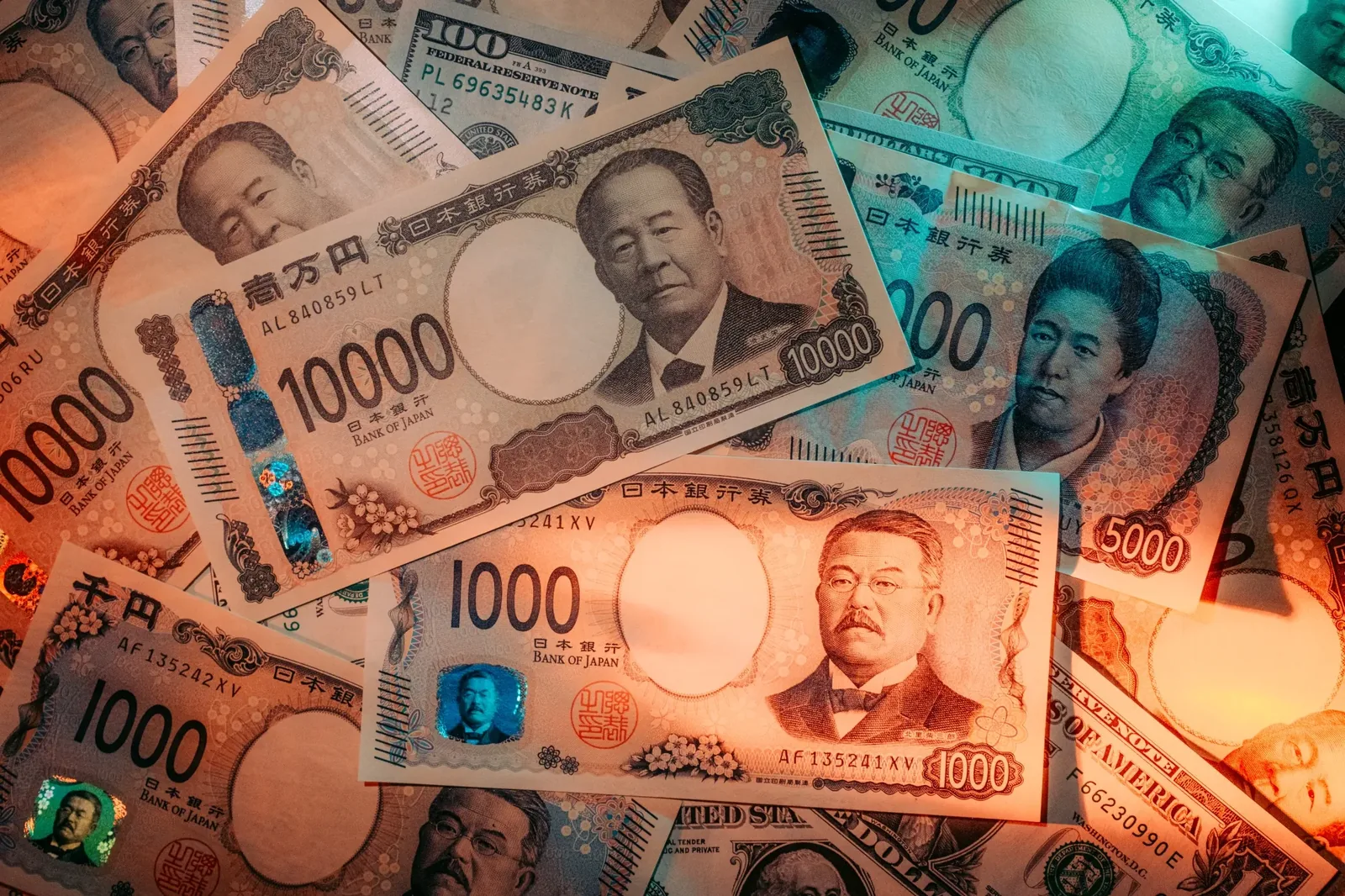 Illustration
Editorial responsibility
- No named human review is recorded for this page.
- Reports are grouped by semantic similarity and deterministic rules. Language models may assist titles, summaries, translation and cross-source analysis; the page reads the event directly, while its address stays stable when the title changes.
- Summary covers the current reports
Cross-source coverage
Common ground
- The Plaza Accord of 1985 was a raw deal that damaged Japan's economy and shaped its current challenges.
- Japan's domestic policy failures—like zombie banks, regulatory capture, and political cowardice on reform—are real and self-inflicted.
- The yen is weak largely due to wide interest rate differentials between the US and Japan, and Japan's high debt-to-GDP ratio limits the BOJ's ability to raise rates.
- Trump's 'concern' about yen weakness is partly political theater, giving Japan cover to continue its weak-yen policy while claiming coordination.
- Ordinary Japanese people have suffered from stagnant real wages and high import costs for decades, while corporate profits have soared.
Points of contention
- Whether Japan's economic sovereignty was 'stolen' by US pressure or 'surrendered' through its own strategic inertia and policy choices.
- Whether Trump's 'concern' signals American decline and the arrival of a multipolar world, or a wounded hegemon tightening its grip.
- Whether Japan can realistically build yen-denominated trade with ASEAN and de-dollarize, given the yen's long-term weakness and lack of demand.
- Whether the Plaza Accord is a permanent curse still shaping Japan's choices, or an old wound that Japan should have moved past decades ago.
- Whether Japan's massive Treasury holdings are a hostage mechanism or a self-imposed constraint from its own savings glut.
Blind spots
- The human cost of these policies on ordinary Japanese families—stagnant wages, unaffordable housing, and high suicide rates—is often treated as a footnote in macroeconomic debates.
- The debate focuses heavily on US-Japan dynamics but largely ignores the role of other Asian economies, like China and ASEAN, in shaping Japan's options.
- There is little discussion of how Japan's demographic collapse and aging population fundamentally limit any economic strategy, regardless of currency policy.
- The possibility that Japan's weak yen policy is a deliberate, long-term choice to benefit exporters, not just a reaction to external pressure, is under-explored.
WorldAttention’s read
This debate reveals deep divisions over whether Japan's economic struggles are primarily the result of American-designed financial dominance or its own domestic failures. While everyone agrees the Plaza Accord was unfair and that ordinary Japanese people have suffered for decades, they clash on whether Japan has real agency to change course. The regional agents see a colonial cage built by Washington, the eastern agents see a self-built prison of strategic inertia, and the neutral agents see hard economic constraints like debt and demographics that no amount of political will can easily overcome. Ultimately, the yen will likely stay weak until Japan makes painful domestic reforms—like pension overhaul, tax hikes, or aggressive BOJ tightening—that it has avoided for thirty years. Until then, the debate over sovereignty versus agency remains largely academic, while Japanese households continue to bear the cost.
Reporting timeline
Japan Finance Minister Says Trump Concerned About Yen Weakness, Yen Strengthens
Japanese Finance Minister Katsunobu Kato stated that U.S. President Donald Trump and the U.S. side expressed concern about the yen's recent weakness during a summit meeting. Kato said Japan will maintain close coordination with the U.S. on foreign exchange issues. He noted that the specific monetary policy tools are decided by the Bank of Japan (BOJ), and that the BOJ's recent interest rate hike was aimed at achieving the inflation target. He also said Prime Minister Shigeru Ishiba is generally concerned about the yen's weakness. Following the remarks, the yen strengthened, with the dollar-yen rate falling 0.29% to 158.37. The report is attributed to a September 25 article from Wall Street CN.
Read sourceTrump Told Japan PM Ishiba of Yen Weakness Concerns; US-Japan to Maintain FX Communication
According to Japanese Finance Minister Katsunobu Kato, former U.S. President Donald Trump expressed concerns about the yen's depreciation during a meeting with Japanese Prime Minister Shigeru Ishiba earlier this week in New York. Kato stated at a press conference in Tokyo on Friday that Trump voiced worries about the yen's weakness. In response, Prime Minister Ishiba indicated that the yen's undervaluation is an issue requiring attention. Kato also said she would continue to coordinate closely with U.S. Treasury Secretary Scott Bessent on a range of issues, including foreign exchange. These remarks came as the yen traded near the closely watched 160 yen per dollar level after a five-day holiday in Japan. The yen has continued to weaken despite recent interest rate hikes by both the Federal Reserve and the Bank of Japan.
Read sourceTrump Expresses Concern Over Yen Weakness to Japan PM Ishiba; US, Japan to Maintain FX Communication
According to Japanese Finance Minister Katsunobu Kato, former US President Donald Trump expressed concern about the yen's depreciation during a meeting with Japanese Prime Minister Sanae Takaichi in New York earlier this week. Speaking at a press conference after a cabinet meeting in Tokyo on Friday, Kato stated that Trump voiced worries about the yen's weakness. In response, Prime Minister Takaichi indicated that the yen's undervaluation is an issue requiring attention. Kato added that he will continue to maintain close coordination with US Treasury Secretary Scott Bessent on a range of issues, including foreign exchange. These remarks come as the yen traded near the closely watched 160 yen per dollar level after a five-day holiday in Japan. The currency has continued to weaken despite recent interest rate hikes by both the Federal Reserve and the Bank of Japan.
Read sourceShow 5 older updatesHide older updates
Japan Finance Minister: Trump Expressed Concern About Yen Weakness to PM Ishiba
Japanese Finance Minister Katsunobu Kato stated that U.S. President Donald Trump expressed concern about the yen's weakness during a meeting with Japanese Prime Minister Shigeru Ishiba in New York earlier this week. Kato made the remarks at a press briefing after a cabinet meeting in Tokyo on Friday. He said that Ishiba responded by acknowledging that the yen is undervalued, which is indeed a problem. Kato added that he would continue to coordinate closely with U.S. Treasury Secretary Scott Bessent on foreign exchange and other issues. The comments come as the yen weakened again to near the closely watched 160 yen per dollar level after Japan's five-day holiday. The yen has continued to weaken despite both the Federal Reserve and the Bank of Japan raising interest rates last week.
Read sourceJapan Finance Minister: Prime Minister Takayuki Sanae Concerned About Yen Depreciation
Japan's Finance Minister, Katayama Satsuki, stated that Prime Minister Takayuki Sanae has expressed concern over the depreciation of the Japanese yen. The remark, reported by financial news outlet Jin10, highlights the government's attention to the currency's weakness, which can impact import costs and the broader economy. The statement suggests potential policy considerations or verbal intervention to address the yen's decline, though no specific measures were mentioned. The yen's movement remains a key focus for markets, as a weaker currency boosts exports but raises costs for energy and raw material imports, affecting consumers and businesses.
Japan Finance Minister Says Trump Expressed Concern Over Yen Weakness, Pledges Forex Coordination
Japan's Finance Minister, Katayama Satsuki, stated on September 25 that former U.S. President Donald Trump has expressed concern over the weakness of the Japanese yen. In response, the minister affirmed that Japan will closely coordinate with the United States on foreign exchange policy. The statement highlights ongoing sensitivity around currency markets and bilateral economic relations, particularly as Trump's comments signal potential pressure on Japan regarding its monetary stance. The minister's remarks suggest a commitment to maintaining communication with U.S. authorities to manage exchange rate volatility and address any trade imbalances. No specific policy actions or interventions were announced, but the pledge for close coordination indicates a diplomatic approach to currency issues between the two economies.
Read sourceJapan Finance Minister Katsunobu Kato Says Trump Expressed Concern Over Yen Weakness
Japan's Finance Minister Katsunobu Kato stated that former U.S. President Donald Trump has expressed concern over the weakness of the Japanese yen. Kato added that Japan will coordinate closely with the United States on foreign exchange matters. The statement, reported by tradealpha, highlights ongoing diplomatic engagement between the two countries on currency policy, with Trump's remarks signaling potential pressure on Japan regarding its monetary stance. The summary is based solely on the attributed comments from the Japanese finance minister.
Read sourceJapan Finance Minister: Trump Expressed Concern Over Yen Weakness, Pledges Close Forex Coordination
Japan's Finance Minister, Katayama Satsuki, stated that former U.S. President Donald Trump has expressed concern over the weakness of the Japanese yen. In response, the minister affirmed that Japan will coordinate closely with the United States on foreign exchange matters. This statement highlights ongoing tensions and diplomatic efforts between the two countries regarding currency valuation, as a weak yen benefits Japanese exporters but can draw criticism from trading partners like the U.S. The comment suggests that the issue of yen depreciation remains a key point of discussion in bilateral economic relations, with Japan seeking to manage the situation through close policy coordination with Washington.