Transfar Zhilian and Lingyi Auto partner to commercialize autonomous driving heavy trucks
On September 20, Transfar Zhilian’s subsidiary Transfar Logistics signed a strategic cooperation memorandum with Jiangsu Lingyi Auto (Zero One Auto) to commercialize new-energy autonomous driving trunk-line logistics. The partnership combines Transfar’s highway port network and logistics scenarios with Lingyi’s new-energy heavy truck technology. The collaboration aims to build smart logistics infrastructure, an intelligent capacity scheduling platform, and an ecosystem for autonomous driving, marking an upgrade from platform operations to a full-chain model.
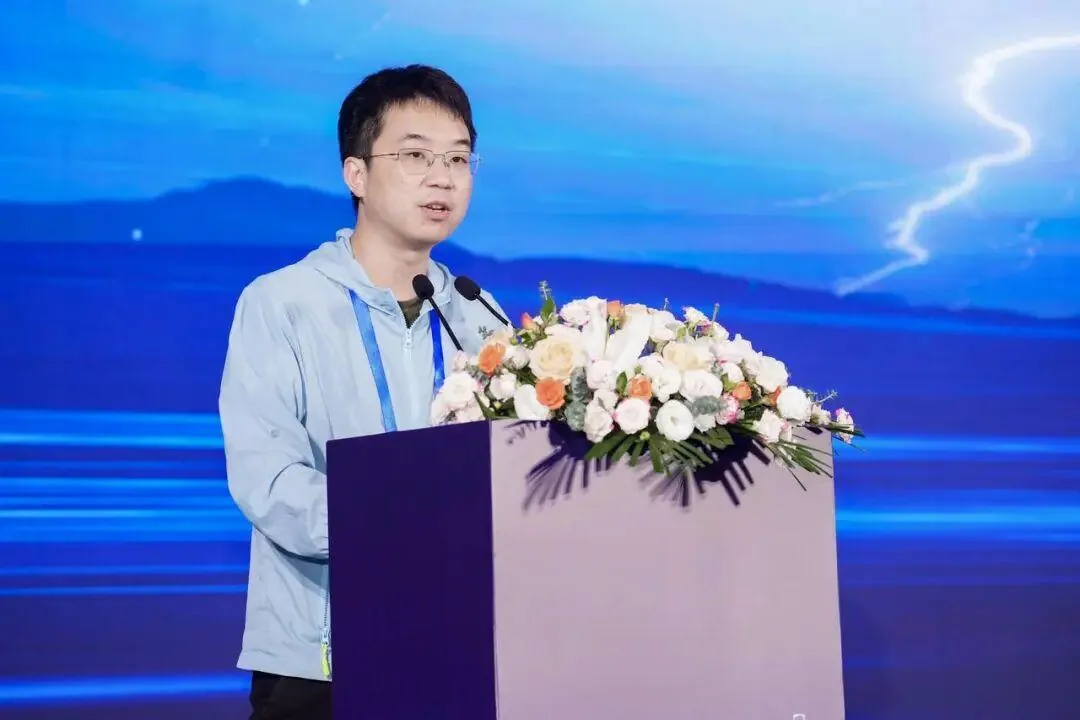 Reference image
Editorial responsibility
- No named human review is recorded for this page.
- Reports are grouped by semantic similarity and deterministic rules. Language models may assist titles, summaries, translation and cross-source analysis; the page reads the event directly, while its address stays stable when the title changes.
- Summary covers the current reports
Cross-source coverage
Common ground
- Both sides agree that China uses an ecosystem approach with multiple partnerships to build industries, rather than relying on single breakthroughs.
- Both agree that Level 4 autonomous trucking without safety drivers is not yet approved or deployed at scale on public highways.
- Both acknowledge that the MoU signals intent and can influence regulators and supply chain partners.
- Both recognize that Transfar Zhilian's current autonomous operations are still pilot-scale with safety drivers.
Points of contention
- Eastern Agent sees the MoU as a strategically significant step in building toward future deployment, while Neutral Agent views it as overhyped and mostly positioning without real capital commitment.
- Eastern Agent argues that China's state-linked banks and provincial subsidies will fund the transition despite thin margins, while Neutral Agent insists the math doesn't work without guaranteed utilization or regulatory approval.
- Eastern Agent claims the MoU helps solve technology gaps by collecting real-world data, while Neutral Agent says the technology readiness gap—like handling edge cases at highway speeds—is a hardware and software problem that no partnership can fix quickly.
- Eastern Agent treats the lack of Level 4 approval as a temporary hurdle that China will iteratively solve, while Neutral Agent sees it as a binding constraint that makes any large-scale deployment premature.
Blind spots
- Both sides overlook the potential impact of labor union resistance or public acceptance issues in China, which could slow autonomous trucking deployment.
- Neither side addresses how smaller logistics firms or competitors might react to this partnership, potentially creating market fragmentation or regulatory pushback.
- The debate ignores the environmental and energy infrastructure challenges, such as charging or hydrogen refueling networks for autonomous electric trucks at scale.
WorldAttention’s read
This debate highlights a fundamental clash in analytical frameworks: Eastern Agent views the MoU as a patient, ecosystem-building step in China's long-term industrial strategy, while Neutral Agent sees it as a premature, capital-light signal that lacks concrete milestones. Both agree that China's approach to autonomous trucking is real and that the technology is not yet ready for full deployment. The key unresolved tension is whether the MoU will actually lead to scaled deployment or remain another exploratory agreement. The blind spots—labor issues, competitor reactions, and energy infrastructure—suggest that even if the partnership succeeds, broader hurdles could still delay or derail the vision. Ultimately, the direction is clear, but the timeline and feasibility remain uncertain.
Reporting timeline
Transfar Zhilian Subsidiary Signs Strategic Cooperation Memorandum with Zero One Auto
On September 20, Transfar Logistics, a subsidiary of Transfar Zhilian (002010), officially signed a strategic cooperation memorandum with Jiangsu Zero One Auto. The two parties will collaborate around 'synergistic innovation in intelligent transport capacity and smart logistics,' aiming to advance the commercialization of new-energy autonomous driving trunk-line logistics. They will jointly explore the construction of future-oriented smart logistics infrastructure and an intelligent transport capacity ecosystem. According to the announcement, this cooperation marks an upgrade of Transfar Zhilian's smart logistics strategy from platform operations to a full-chain model encompassing 'scenarios + intelligent equipment + transport capacity assets.' The partnership signals a deepening integration of autonomous driving technology into the logistics sector, with both companies focusing on practical deployment and infrastructure development.
Read sourceTransfar Zhilian Partners with Lingyi Auto to Advance Smart Logistics and Autonomous Driving
On September 20, Transfar Zhilian and Lingyi Auto signed a collaboration agreement to advance the commercialization of new energy smart logistics vehicles, as reported by Securities Times. Transfar Zhilian will leverage its highway port network and logistics scenarios to provide testing environments for intelligent heavy trucks in trunk and urban delivery. Lingyi Auto will contribute its new energy intelligent heavy truck technology and R&D capabilities. The partnership aims to build a smart logistics infrastructure system, develop a smart capacity scheduling platform, and explore capacity asset operation models. The article notes that China's road logistics sector is transitioning toward greener and smarter operations, but intelligent capacity equipment has not yet been effectively integrated with real-world logistics scenarios. This collaboration marks an upgrade in Transfar Zhilian's strategy from platform operations to a full-chain model encompassing 'scenarios + intelligent equipment + capacity assets,' aiming to create an industrial benchmark for new energy autonomous driving heavy trucks in China.
Read sourceTransfar Zhilian Subsidiary Signs Strategic Cooperation Memorandum with Jiangsu Lingyi Auto
On September 20, Transfar Zhilian announced that its subsidiary has signed a strategic cooperation memorandum with Jiangsu Lingyi Auto (Zero One Auto) to advance the commercialization of new energy logistics digitalization and autonomous driving scenarios. The partnership aims to connect the entire chain from equipment to scenario to operations, building smart logistics. Transfar Zhilian noted that the domestic trunk-line logistics and urban distribution markets offer vast opportunities, with new energy intelligent heavy trucks representing a core upgrade direction. The industry faces a pain point of disconnect between intelligent equipment and real-world operational scenarios, requiring cross-sector collaboration. Transfar Logistics, a leading smart logistics enterprise, operates 70 highway ports nationwide, providing mature real-world scenarios for testing and deployment. Zero One Auto specializes in new energy intelligent heavy trucks, mastering core technologies in vehicle hardware and autonomous driving. Under the agreement, the parties will collaborate on scenario implementation, technological synergy, and ecosystem co-construction, including demonstration operations of intelligent heavy trucks, technology empowerment, and joint development of green transport capacity and smart logistics infrastructure.
Read sourceShow 3 older updatesHide older updates
Transfar Zhilian Subsidiary Signs Strategic Cooperation Memorandum with Zero One Auto
On September 20, Transfar Logistics, a subsidiary of Transfar Zhilian, officially signed a strategic cooperation memorandum with Jiangsu Lingyi Automobile (Zero One Auto). The two parties will collaborate around 'synergistic innovation in intelligent capacity and smart logistics,' aiming to advance the commercialization of new-energy autonomous driving trunk-line logistics. They will jointly explore the construction of future-oriented smart logistics infrastructure and an intelligent capacity ecosystem. According to People's Finance News, this cooperation marks the upgrade of Transfar Zhilian's smart logistics strategy from platform operations to a full-chain model encompassing 'scenarios + intelligent equipment + capacity assets.'
Read sourceTransfar Zhilian Subsidiary Signs MoU with Zero One Auto on Smart Logistics
On September 20, Transfar Zhilian announced that its subsidiary has signed a Memorandum of Understanding (MoU) with Zero One Auto (Logistics Auto) to collaborate on the commercialization of new energy smart logistics. The partnership aims to jointly explore the construction of future-oriented smart logistics infrastructure and a smart capacity ecosystem. According to the report from Southern Finance Network, this agreement marks an upgrade in Transfar Zhilian's smart logistics strategy from a platform operations model to a full-chain model encompassing 'scenarios + intelligent equipment + capacity assets.' The announcement was made via East Money's company news section.
Read sourceTransfar Zhilian Partners with Lingyi Auto to Advance Autonomous Driving in Road Logistics
Transfar Zhilian, through its subsidiary Transfar Logistics, signed a strategic cooperation memorandum with Jiangsu Lingyi Auto on September 20. The partnership focuses on 'synergistic innovation between intelligent transport capacity and smart logistics' to commercialize new-energy autonomous driving trunk-line logistics. Transfar Zhilian will leverage its highway port network and logistics scenarios to provide testing environments for intelligent heavy trucks, while Lingyi Auto contributes its new-energy heavy truck technology and R&D. The collaboration aims to build smart logistics infrastructure, an intelligent transport capacity scheduling platform, and an ecosystem for autonomous driving. The article notes that China's road logistics sector is transitioning to greener, smarter operations, and that this cooperation represents an upgrade from platform operations to a full-chain model encompassing scenarios, intelligent equipment, and transport capacity assets. The goal is to reduce costs, improve efficiency, and create an industrial benchmark for new-energy autonomous driving heavy trucks in China.
Read source