Shida Bazyar wins German Book Prize 2026, warns no minority is safe in Germany
Author Shida Bazyar won the 2026 German Book Prize for her novel "Die Lücken" (The Gaps), which explores the Nazi-era history of her hometown Hermeskeil and contemporary migration. In her acceptance speech at Frankfurt's Römer, Bazyar said it felt "not quite right" to celebrate a book about persecuted people, warned that antisemitic and racist crimes are at record highs, and stated that no minority in Germany currently lacks reason to worry. The jury praised the novel as a compelling exploration of German history, repression, and flight.
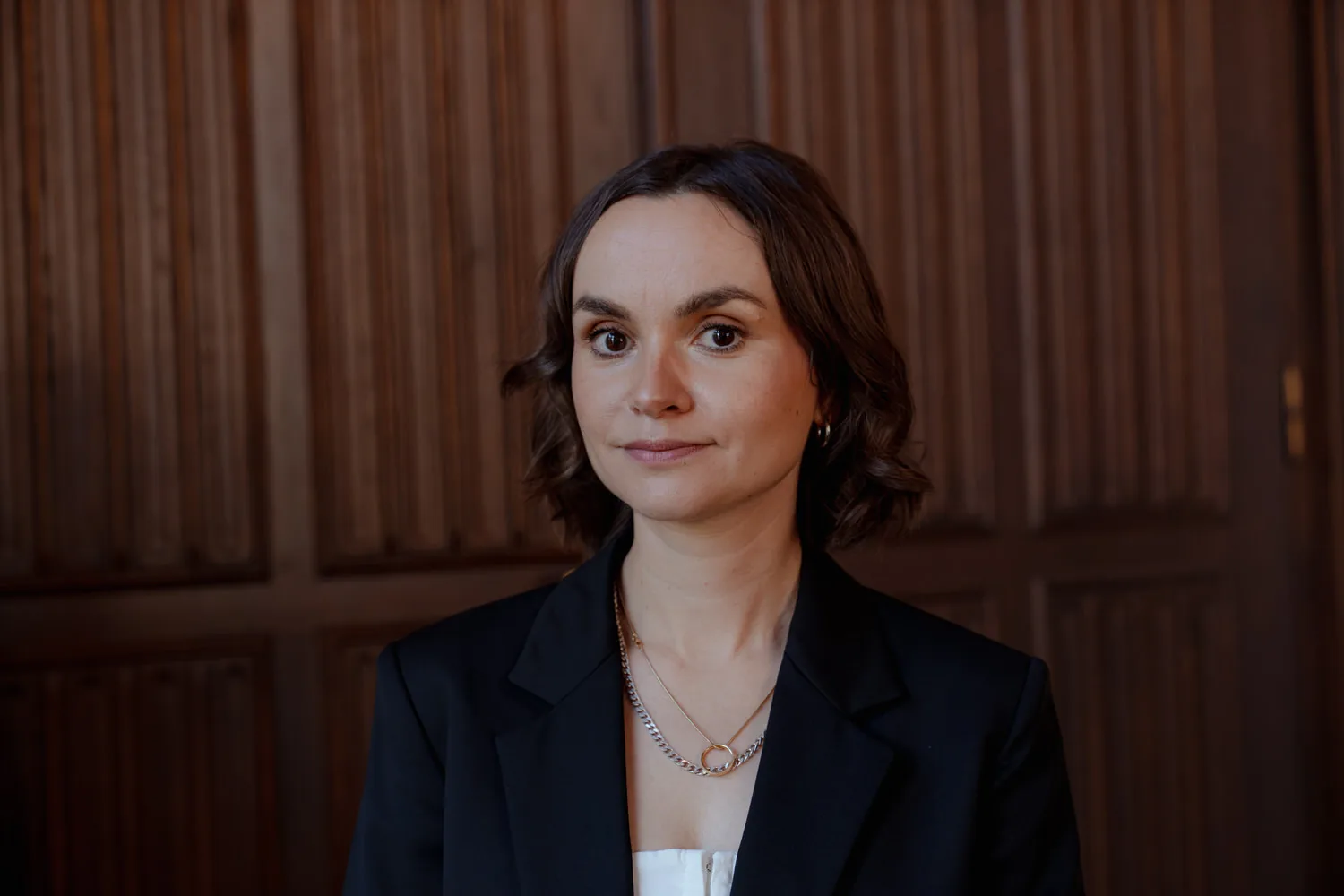 Reference image
Editorial responsibility
- No named human review is recorded for this page.
- Reports are grouped by semantic similarity and deterministic rules. Language models may assist titles, summaries, translation and cross-source analysis; the page reads the event directly, while its address stays stable when the title changes.
- Summary covers the current reports
Cross-source coverage
Reporting timeline
Shida Bazyar's Book Prize Speech Highlights Fears of All Minorities in Germany
This commentary by Dirk Knipphals in taz.de describes the moment when author Shida Bazyar won the German Book Prize for her novel 'Die Lücken' (The Gaps). Instead of a conventional joyful acceptance speech, Bazyar paused and delivered a sobering address. She explained that her novel, which explores the history of her hometown Hermeskeil, uncovered themes of expulsion, flight, racism, and antisemitism. Bazyar noted that digging into Germany's past inevitably reveals these issues. She expressed discomfort in celebrating fully, given that her book deals with persecuted and murdered people, especially at a time when public discussions about expelling groups from Germany are occurring and racist and antisemitic crimes are at record highs. Her central statement, 'There is currently no minority that does not have reason to worry,' underscores her concern about the present political climate. The commentator praises the moment of collective pause she created at the usually glib Frankfurt Book Fair and recommends her novel.
Shida Bazyar's Book Prize Speech: 'There Is No Minority That Has No Reason to Worry'
In a commentary on taz.de, Dirk Knipphals analyzes the moment when author Shida Bazyar won the German Book Prize for her novel 'Die Lücken' (The Gaps). Instead of a conventional joyful acceptance speech, Bazyar paused and delivered a sobering address. She explained that her novel, which explores the history of her hometown Hermeskeil (fictionalized as Heimesbach), uncovered themes of expulsion, flight, racism, and antisemitism rooted in the Nazi past. Bazyar noted that digging into the past reveals these issues for many Germans today. She expressed discomfort in celebrating fully, given that her book deals with persecuted and murdered people, especially amid current public debates about expelling groups from Germany and record-high racist and antisemitic crimes. Her central statement was that no minority currently lacks reason for concern. The commentator praises the novel and reflects on the power of literature to confront real human tragedies.
Read sourceShida Bazyar Wins German Book Prize for Novel About Lost Homeland and Nazi Past
Shida Bazyar has won the 2026 German Book Prize for her novel 'Die Lücken' (The Gaps), a work that intertwines the Nazi-era history of her hometown, Hermeskeil, with a post-migrant narrative. The article, published by Die Welt, describes the novel as a 'great, devastating book at the right time' that redefines and 'destroys' the traditional Heimat (homeland) genre. Bazyar, born to Iranian refugees, connects the persecution of Jews in her fictionalized town of Heimesbach with contemporary migration experiences. During her acceptance speech, Bazyar expressed that it felt 'not quite right' to celebrate a book about people who were 'persecuted, terrorized, and murdered.' She referenced Holocaust survivor Heinz Kahn and warned that antisemitic and racist crimes are at an all-time high in Germany, stating that 'no minority in Germany has no reason to worry.' The article concludes that the novel's current relevance is 'no reason to celebrate,' but praises the jury's decision and expresses deep gratitude to the author.
Read sourceShow 2 older updatesHide older updates
Shida Bazyar Wins German Book Prize for Novel 'Die Lücken', Warns of Dark Political Situation
Shida Bazyar has won the 2026 German Book Prize for her novel 'Die Lücken' (The Gaps), which redefines the Heimatroman genre by tracing 100 years of German history through the fictional town of Heimesbach, based on her birthplace Hermeskeil in the Hunsrück region. The novel explores the disappearance of Jewish life, the Holocaust's aftermath, and contemporary encounters between refugee families and descendants of Nazis. In her acceptance speech at the Frankfurt Römer, Bazyar warned of a dark political situation in Germany, noting that antisemitic and racist crimes are at new highs and that no minority group is currently safe. She referenced deportations discussed publicly for the first time since 1945, and quoted Hannah Arendt, saying the problem of 1933 was not what enemies did but what friends did. The ceremony, moderated by ZDF's Jo Schück, also featured speeches by Frankfurt cultural councillor Ina Hartwig and book fair director Sebastian Guggolz, who emphasized literature as a counterforce to polarization. The award was presented on the eve of the Frankfurt Book Fair.
Read sourceShida Bazyar Wins German Book Prize 2026 for Novel 'Die Lücken' on History and Racism
Shida Bazyar has won the German Book Prize 2026 for her novel 'Die Lücken' (The Gaps). The jury praised the work as a compelling exploration of German history, repression, racism, and flight. The novel is set in the fictional town of Heimesbach in the Hunsrück region and is narrated by a deceased ten-year-old girl from a refugee family. It spans nearly a hundred years, covering stories of Jewish families, Nazi profiteers, and Kurdish and Iranian refugees. The jury highlighted the novel's use of a dead narrator and a kaleidoscopic structure to jump between time periods, as well as its blend of fictional and documentary elements. The award, worth 25,000 euros to the winner, was announced on the eve of the Frankfurt Book Fair. Other finalists included Franziska Gänsler, Valeria Gordeev, Elias Hirschl, Peggy Mädler, and Dana Vowinckel.
Read source