Russia Extends Diesel Export Ban Through October 31 to Stabilize Domestic Fuel Market
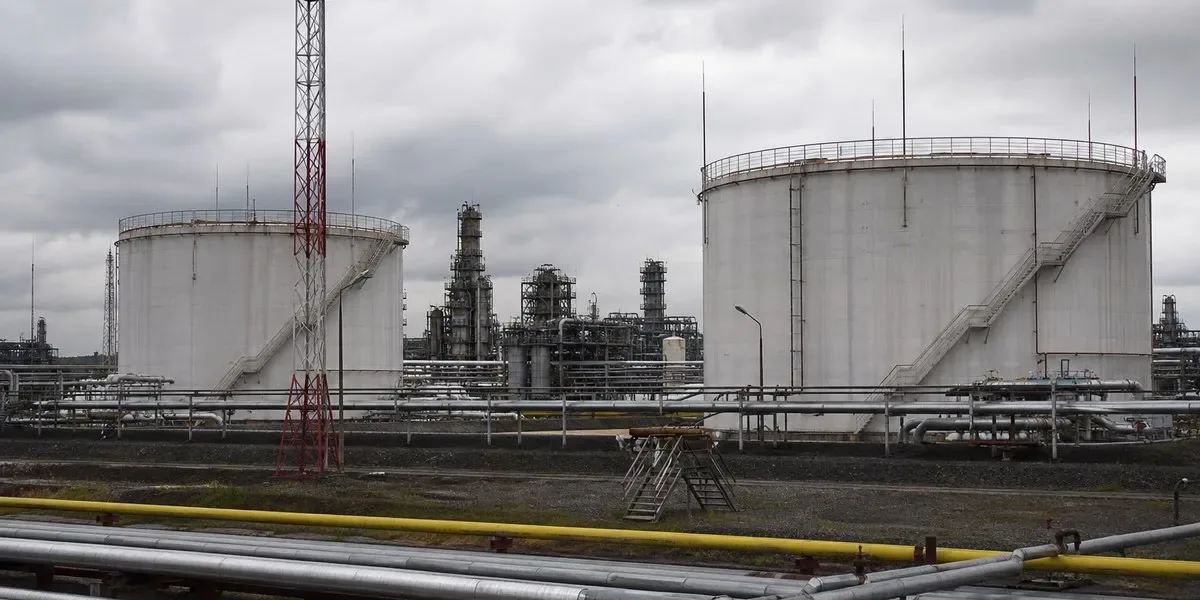
On September 30, the Russian government extended its ban on direct exports of diesel, marine fuel, and gas oil by fuel producers until October 31. The measure aims to maintain domestic fuel market stability amid harvest-season demand and supply shortages exacerbated by Ukrainian drone strikes on refineries. The ban also covers gasoline and aviation kerosene exports.
 Reference image
Editorial responsibility
- No named human review is recorded for this page.
- Reports are grouped by semantic similarity and deterministic rules. Language models may assist titles, summaries, translation and cross-source analysis; the page reads the event directly, while its address stays stable when the title changes.
- Summary covers the current reports
Cross-source coverage
Common ground
- Every country has the right to prioritize domestic stability over global market demands.
- Russia's agricultural logistics extend beyond harvest into October, including winter wheat planting and fertilizer application.
- Both drone strikes and Western sanctions are compounding factors affecting Russia's refining capacity.
- The diesel export ban represents a trade-off between domestic price stability and short-term export revenue.
Points of contention
- Eastern Agent argues the ban is a routine sovereign measure, while Neutral Agent says it's an unprecedented response to a capacity crunch from drone strikes.
- Eastern Agent claims drone strikes are a minor factor and sanctions are the main bottleneck, but Neutral Agent insists satellite evidence shows direct hits caused significant capacity loss.
- Eastern Agent sees the ban as strategic patience and a signal to the Global South, while Neutral Agent views it as triage due to constrained options.
- Eastern Agent says losing $2.5-3 billion in revenue is manageable portfolio management, but Neutral Agent calls it a real hit to a strained war budget.
Blind spots
- Both sides underplay how the ban's timing—new in September, not a routine extension—suggests a sudden crisis rather than planned seasonal management.
- Neither fully explores how the ban might affect Russia's long-term relationships with key diesel buyers like China and India, who may seek alternative suppliers.
- The debate overlooks the potential for the ban to accelerate global diesel price volatility, impacting developing countries that rely on affordable fuel.
WorldAttention’s read
Russia's diesel export ban extension through October is a defensive move driven by a mix of factors: domestic agricultural needs, damage to refineries from Ukrainian drone strikes, and sanctions limiting repairs and spare parts. While every country has the right to prioritize its own stability, the unprecedented timing and scale of this ban suggest it's more of a crisis response than a routine seasonal adjustment. Russia is making a painful trade-off—sacrificing billions in export revenue to keep domestic fuel prices stable—which signals constrained options rather than strategic strength. The debate shows that both drone strikes and sanctions are compounding problems, and the ban's extension hints that refinery repairs will take longer than a single harvest season. Ultimately, Russia is adapting to a multipolar world, but this move highlights vulnerabilities in its energy sector rather than a smooth recalibration.
Reporting timeline
Russia Extends Ban on Diesel and Fuel Oil Exports to October 31 Amid Market Strain
On September 30, the Russian government announced an extension of its ban on direct exports of diesel, marine fuel, and gas oil by fuel producers until October 31. The decision, reported by state news agency Xinhua via tradealpha, cites ongoing regional conflicts and supply shortages that continue to disrupt global energy markets. A statement from the Russian Cabinet's press office said the measure is intended to maintain stability in the domestic fuel market, particularly as the agricultural harvest season drives up demand for motor fuel, exacerbating supply tightness. The ban was originally imposed to prioritize domestic supply over exports.
Read sourceRussia Extends Diesel Export Ban for Fuel Producers Until End of October
The Russian government announced on Wednesday, September 30, that it has extended its ban on diesel exports for fuel producers until the end of October. The measure was initially imposed to address domestic fuel shortages, which have been exacerbated by Ukrainian drone strikes on Russian oil refineries. The restrictions also cover gasoline and aviation kerosene exports. The extension reflects ongoing supply pressures within Russia's fuel market as a result of the attacks on refining infrastructure.
Russia Reportedly Preparing Document to Extend Diesel Export Ban Until October
According to a report by the Russian state news agency TASS, as cited by tradealpha, Russia is preparing a document that would extend its ban on diesel exports through October. The original export ban was implemented to stabilize domestic fuel prices and ensure sufficient supply for the Russian market, particularly during the harvest season. The potential extension indicates ongoing concerns about domestic fuel availability and price stability. The report is attributed to TASS sources and has not been officially confirmed by the Russian government at the time of reporting. The move could impact global diesel markets, as Russia is a major exporter of the fuel.
Read sourceShow 2 older updatesHide older updates
Russia Preparing Document to Extend Diesel Export Ban Until October, TASS Reports
According to a report by the Russian state news agency TASS, as cited by financial data provider Jin10, Russia is preparing a document that would extend its current ban on diesel exports through the month of October. The report indicates that the Russian government is moving to prolong the export restriction, which was originally implemented to stabilize domestic fuel prices and ensure sufficient supply for the local market. The extension, if enacted, would continue to limit diesel shipments abroad, potentially impacting global fuel markets and refining margins. The exact details of the document and the timeline for its formal approval remain unclear, as the report is based on an unnamed source familiar with the preparations.
Read sourceRussia Plans to Extend Diesel Export Ban Until October, Reports Financial News Outlet
According to a report from Chinese financial news outlet Cailianshe (cls) on September 28, Russia is planning to extend its ban on diesel exports into October. The original ban was implemented to stabilize domestic fuel prices and ensure sufficient supply for the Russian market amid seasonal demand and refinery maintenance. The extension indicates ongoing concerns about domestic fuel availability and price stability. The report does not specify the exact end date of the extended ban or whether it applies to all types of diesel exports. The decision reflects Russia's continued focus on managing its energy resources for internal consumption, which may have implications for global diesel supply and prices, particularly in regions dependent on Russian fuel exports.