Russia Extends Diesel Export Ban Through October 2026 Amid Refinery Attacks
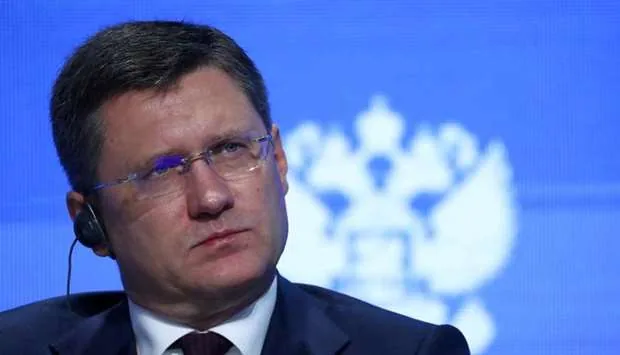
Russia has extended its ban on diesel exports for producers until the end of October 2026, according to sources cited by Vedomosti. The decision, made after a September 14 meeting chaired by Deputy Prime Minister Novak, aims to ensure domestic supply. The ban was initially imposed in July following Ukrainian drone strikes on Russian refineries that reduced oil processing to multi-year lows. Russia previously supplied about 10% of global seaborne diesel.
 Reference image
Editorial responsibility
- No named human review is recorded for this page.
- Reports are grouped by semantic similarity and deterministic rules. Language models may assist titles, summaries, translation and cross-source analysis; the page reads the event directly, while its address stays stable when the title changes.
- Summary covers the current reports
Cross-source coverage
Common ground
- Russia has the sovereign right to prioritize its domestic fuel supply over exports.
- Western sanctions have significantly impacted Russia's refining sector and export capacity.
- The diesel export ban is a multi-year policy shift, not a temporary fix.
- The ban reflects a broader geopolitical realignment away from Western-dominated energy markets.
Points of contention
- Whether the ban is a sign of strategic strength or structural weakness in Russia's refining capacity.
- Whether Russia's refinery idling is deliberate industrial policy or forced by sanctions and technology gaps.
- Whether the ban strengthens Russia's leverage with the Global South or damages its soft power and customer relationships.
- Whether the revenue loss from the ban is a manageable trade-off or a fiscal hemorrhage.
Blind spots
- The debate overlooks the ban's impact on Russia's own industrial sectors beyond agriculture, like mining and rail.
- Neither side fully addresses how India and China's refinery investments might permanently reduce demand for Russian diesel.
- The discussion lacks concrete evidence from Russian government documents or industry plans to support claims of deliberate restructuring.
WorldAttention’s read
Russia's diesel export ban until October 2026 is a clear response to sanctions and domestic supply pressures, but experts disagree on whether it shows strategic planning or forced weakness. While Russia is prioritizing its own needs and signaling a shift away from Western energy markets, the ban also risks long-term revenue loss and could push buyers like India and China toward self-sufficiency. The real blind spot is how this move affects Russia's broader industrial economy and its reputation among Global South partners.
Reporting timeline
Russia to Extend Diesel Export Ban Beyond September Due to Ukrainian Refinery Attacks
According to sources cited by tradealpha on September 21, Russia is preparing to extend its ban on most diesel exports beyond the end of September, with one source indicating the restriction could be prolonged by another month or longer. The ban was initially imposed in July after a series of Ukrainian drone attacks on Russian refineries drove domestic oil processing to multi-year lows. Originally expected to last only a few weeks, the measure was extended first by one month and then to the end of September. Moscow has been studying a further extension since last week. Before the ban, Russia supplied roughly 10% of global seaborne diesel. The removal of this supply, combined with Middle Eastern disruptions, has pushed prices higher.
Read sourceRussia Plans to Extend Diesel Export Ban Beyond September Due to Ukraine Attacks
According to sources cited by Jin10 on September 21, Russia is preparing to extend its ban on most diesel exports beyond the end of September, as Ukrainian drone strikes continue to target Russian refineries. The ban, initially implemented in July and expected to last only weeks, has already been extended multiple times. One source indicated that the extension could last another month or longer. The restrictions were imposed after a series of Ukrainian attacks on Russian refineries reduced Russia's oil processing to multi-year lows. Before the ban, Russia supplied roughly 10% of global seaborne diesel. The removal of this supply, combined with disruptions in the Middle East, has pushed diesel prices higher. Moscow was reportedly studying the extension as of last week.
Read sourceRussia Extends Diesel Export Ban Beyond End of September, Reports Cailianshe
According to a report from Chinese financial news outlet Cailianshe (cls) on September 21, Russia will extend its ban on diesel exports beyond the end of September. The original ban was previously announced and was set to expire at the end of September. The extension indicates continued Russian government intervention in fuel markets, likely aimed at stabilizing domestic fuel prices and ensuring adequate supply for the Russian agricultural and industrial sectors. The decision may affect global diesel supply and prices, particularly in regions that rely on Russian diesel imports. No specific new end date for the extended ban was provided in the report.
Show 4 older updatesHide older updates
Russia to Extend Diesel Export Ban Beyond End of September
Russia has announced it will extend its ban on diesel exports beyond the end of September, according to a report from financial news outlet Jin10. The original export restrictions were implemented to stabilize domestic fuel prices and ensure sufficient supply for the Russian agricultural sector and domestic market. The extension indicates ongoing concerns about fuel availability and price stability within Russia. The decision is likely to impact global diesel markets, which have already been tight due to sanctions and reduced Russian refinery output. No specific new end date for the extended ban was provided in the report.
Russia Extends Diesel Export Ban Until End of October 2026, Sources Say
According to a September 16 report by Russian media outlet Vedomosti, citing informed sources, the Russian government has decided to extend the ban on diesel exports for producers until the end of October 2026. The decision was reportedly made following a meeting chaired by Deputy Prime Minister Novak on September 14, with the stated aim of ensuring supply to the domestic market. This extension follows a previous temporary ban on diesel, marine fuel oil, and gasoil fractions, which was extended until September 30 at the end of August. Separately, Russia is currently enforcing a gasoline export ban, which has been extended until January 31, 2027. The report attributes the information to unnamed sources familiar with the matter.
Read sourceRussia Extends Diesel Export Ban Until End of October 2026, Sources Say
According to Russian media outlet Vedomosti, citing sources on September 16, the Russian government has decided to extend the diesel export ban for diesel producers until the end of October 2026. The sources said the decision was made following a meeting chaired by Deputy Prime Minister Novak on September 14, with the aim of ensuring domestic market supply. At the end of August, the Russian government extended temporary export bans on diesel, marine fuel, and diesel fractions until September 30. Meanwhile, Russia is currently also enforcing an export ban on gasoline, which has been extended until January 31, 2027. The report is attributed to unnamed sources and was published by Jin10 Data, citing Vedomosti.
Read sourceRussia Plans to Extend Diesel Export Ban Until End of October
According to a report from Cailian Press on September 16, Russia is planning to extend its ban on diesel exports until the end of October. The original ban was implemented to stabilize domestic fuel prices and ensure sufficient supply for the Russian market, particularly ahead of the harvest season and winter months. The extension indicates ongoing concerns about domestic fuel availability and price stability. The decision, if confirmed, would continue to restrict global diesel supply, potentially impacting fuel prices in international markets that rely on Russian diesel exports. The report does not specify whether the ban applies to all diesel grades or if there are any exceptions for certain trading partners or contractual obligations. This move follows previous export restrictions imposed by Russia on various petroleum products amid geopolitical tensions and economic sanctions.