PBOC Shanghai urges expansion of FTZ offshore bonds, 8.6 billion yuan issued to date
On September 24, the People's Bank of China Shanghai Headquarters held a meeting to promote Free Trade Zone (FTZ) offshore bond business, announcing that after over a year of pilot operations, the institutional framework is basically formed. To date, 22 bonds totaling approximately 8.6 billion yuan have been issued. The meeting outlined five priorities: expanding issuance scale, broadening investment channels via FTU policies to attract global investors, serving the real economy including Belt and Road enterprises, deepening market cultivation, and balancing innovation with risk management.
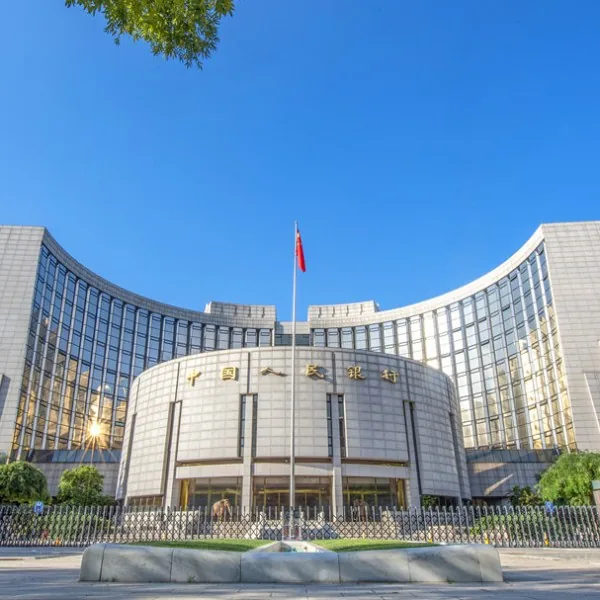 Reference image
Editorial responsibility
- No named human review is recorded for this page.
- Reports are grouped by semantic similarity and deterministic rules. Language models may assist titles, summaries, translation and cross-source analysis; the page reads the event directly, while its address stays stable when the title changes.
- Summary awaiting refresh
Summary awaiting refresh
Cross-source coverage
Reporting timeline
PBOC Shanghai Headquarters Holds Free Trade Zone Offshore Bond Business Promotion Meeting
On September 24, the People's Bank of China (PBOC) Shanghai Headquarters held a promotion meeting for Free Trade Zone (FTZ) offshore bond business. The meeting urged financial institutions to raise their stance and strengthen coordination to push market construction to a new level. Five key tasks were outlined: First, continuously expand issuance scale to consolidate market development foundations. Second, broaden investment channels to stimulate market vitality, including utilizing FTU (Free Trade Unit) investment policies to attract global investors such as overseas professional institutions, sovereign wealth funds, and international organizations, and accelerating secondary market construction to enhance liquidity. Third, adhere to serving the real economy as the fundamental purpose to highlight business value. Fourth, deepen market cultivation and strengthen policy promotion, including ongoing global market presentations and summarizing typical cases for demonstration effects. Fifth, coordinate innovation with risk management to guard the bottom line of risks.
Shanghai central bank says free trade zone offshore bond framework basically formed, issuance at 8.6 billion yuan
The People's Bank of China Shanghai Headquarters held a meeting on September 24 to review the progress of free trade zone (FTZ) offshore bond pilot programs. The meeting announced that after over a year of practice, the institutional framework for FTZ offshore bonds is basically formed, with diversified issuers and secondary market trading launched. To date, 22 FTZ offshore bonds have been issued totaling approximately 8.6 billion yuan. The meeting emphasized that FTZ offshore bonds are a key reform measure for high-level financial opening, RMB internationalization, and Shanghai's international financial center construction. It called on financial institutions to expand issuance scale, broaden investment channels using FTU (Free Trade Accounting Unit) policies to attract global investors, serve real economy needs including 'Belt and Road' enterprises, deepen market cultivation, and balance innovation with risk management to ensure stable development.
Read sourcePBOC Shanghai Holds Meeting to Advance Free Trade Offshore Bond Business
The People's Bank of China (PBOC) Shanghai Headquarters held a meeting on September 24 to advance the free trade zone (FTZ) offshore bond business. The meeting reviewed the achievements of a one-year pilot program and outlined key tasks for the next phase to promote high-quality development of the FTZ offshore bond market. The PBOC emphasized that FTZ offshore bonds are a key reform measure to support high-level financial opening, the internationalization of the renminbi (RMB), and the construction of Shanghai as an international financial center. Financial institutions were urged to enhance coordination and push the market to a new level. Specific measures include: expanding issuance scale by tapping into demand from financial institutions, real enterprises, and eventually foreign entities; enriching medium- and long-term bond varieties; broadening investment channels by using FTU (Free Trade Unit) investment policies to attract global investors such as sovereign wealth funds and international organizations; accelerating secondary market development to improve liquidity; serving the real economy by meeting the offshore financing needs of 'going out' enterprises and high-quality firms in Belt and Road countries; enhancing RMB asset pricing influence; deepening market cultivation through global promotion and case studies; and balancing innovation with risk management to ensure the business operates on a legal and standardized track.
Read sourceShow 3 older updatesHide older updates
PBOC Shanghai Holds Meeting to Boost Free Trade Zone Offshore Bond Business
On September 24, the People's Bank of China (PBOC) Shanghai Headquarters held a promotion meeting for free trade zone (FTZ) offshore bond business. The meeting urged financial institutions to enhance coordination and push market construction to a new level. Five key directives were issued: first, continuously expand issuance scale to solidify market development; second, broaden investment channels to stimulate market vitality by utilizing FTU investment policies to attract global investors such as overseas professional institutions, sovereign wealth funds, and international organizations, and accelerate secondary market construction to improve liquidity; third, focus on serving the real economy to highlight business value; fourth, deepen market cultivation and strengthen policy promotion through global roadshows and case studies; fifth, balance innovation with risk management to maintain the risk bottom line. The meeting underscores the PBOC's commitment to developing the FTZ offshore bond market as a tool for financial opening and real economy support.
Read sourcePBOC Shanghai Headquarters Holds Free Trade Offshore Bond Business Promotion Meeting
On September 24, the People's Bank of China (PBOC) Shanghai Headquarters held a promotion meeting for free trade zone (FTZ) offshore bond business, summarizing the achievements of the one-year pilot program and outlining key tasks for the next phase to promote high-quality development. The meeting emphasized that FTZ offshore bonds are a key reform measure to support high-level financial opening, renminbi internationalization, and Shanghai's international financial center construction. Financial institutions were urged to enhance coordination and push market development to a new level. Key priorities include: expanding issuance scale by tapping into demand and building a tiered structure of issuers (financial institutions first, then real enterprises, then foreign entities), enriching medium- and long-term bond supply; broadening investment channels by utilizing FTU investment policies to attract global investors such as sovereign wealth funds and international organizations, and accelerating secondary market development to boost liquidity; serving the real economy by meeting overseas financing needs of 'going out' enterprises and supporting high-quality enterprises in Belt and Road countries, thereby enhancing renminbi asset pricing influence; deepening market cultivation through global promotional activities and case studies; and balancing innovation with risk management to ensure the business operates on a legal and standardized track.
Read sourcePBOC Shanghai Headquarters Holds Meeting to Advance Free Trade Zone Offshore Bond Business
The People's Bank of China (PBOC) Shanghai Headquarters held a meeting to promote the development of free trade zone (FTZ) offshore renminbi bonds, according to a report by financial news outlet East Money. The meeting characterized FTZ offshore bonds as a key reform measure to support high-level financial opening, renminbi internationalization, and the construction of Shanghai as an international financial center. Financial institutions were urged to enhance coordination and push market development to a new level. Specific directives included: first, expanding issuance scale by deepening demand and building a tiered structure of 'financial institutions first, real enterprises follow, and foreign entities gradually participate,' while enriching medium- and long-term bond supply. Second, broadening investment channels by utilizing FTU (Free Trade Unit) investment policies to attract global investors such as foreign institutional investors, sovereign wealth funds, and international organizations, and accelerating secondary market development to improve liquidity. Third, serving the real economy by meeting the offshore financing needs of 'going out' enterprises and supporting the Belt and Road Initiative. Fourth, deepening market cultivation through global promotional activities and sharing typical cases. Fifth, balancing innovation with risk management, ensuring risk control throughout the business process to maintain stable and compliant operations.
Read source