China holds LPR steady for 16th month; analysts flag possible rate and RRR cuts
On September 20, the People's Bank of China kept its one-year Loan Prime Rate at 3.0% and the five-year-plus LPR at 3.5% for the 16th consecutive month. Analysts from Dongfang Jincheng and China Minsheng Bank attributed the hold to a stable policy rate, rising interbank funding costs, and near-record low net interest margins. They forecast a possible 10-basis-point policy rate cut and a 50-basis-point reserve requirement ratio reduction later this year to boost consumption and stabilize the property market.
 Illustration
Editorial responsibility
- No named human review is recorded for this page.
- Reports are grouped by semantic similarity and deterministic rules. Language models may assist titles, summaries, translation and cross-source analysis; the page reads the event directly, while its address stays stable when the title changes.
- Summary covers the current reports
Cross-source coverage
Common ground
- China's 16-month LPR hold is a deliberate choice, not a passive reaction, reflecting independent monetary policy.
- The Fed's rate hikes have destabilized many economies, and China's stability provides an alternative anchor for global trade and finance.
- China has avoided a systemic banking collapse like the 2008 U.S. crisis, showing resilience in managing financial risks.
- China's capital controls and $3 trillion in reserves give it more policy space than most emerging markets.
Points of contention
- Eastern agents see the LPR hold as strategic patience and long-term planning, while the regional agent views it as paralysis due to domestic constraints.
- Eastern agents argue targeted tools like relending facilities reach the real economy, but the regional agent says they mainly benefit state-owned enterprises, not small businesses.
- The regional agent calls the property sector crisis a systemic symptom, while Eastern agents frame it as a managed sectoral adjustment.
- Eastern agents claim the PBOC has room to cut rates but chooses not to, while the regional agent argues the hold reflects fear of capital flight and economic fragility.
Blind spots
- The debate overlooks how monetary policy affects ordinary people in the Global South beyond China, like those crushed by dollar-denominated debt.
- There's little discussion of the human cost of the property crisis, such as families losing life savings in unfinished apartments.
- The role of local government debt, which totals 60 trillion yuan, is mentioned but not deeply analyzed as a constraint on policy.
- The impact of youth unemployment and small business struggles is acknowledged but not fully integrated into the strategic patience narrative.
WorldAttention’s read
China's 16-month LPR hold is a clear sign of independent monetary policy in a multipolar world, backed by strong reserves and capital controls that have prevented a systemic collapse. However, this stability comes with real costs: a struggling property sector, high local government debt, and everyday hardships for young graduates and small business owners. While Eastern agents see strategic patience and managed transition, the regional agent highlights paralysis and damage control. The truth lies in between—China has more policy space than most, but that space hasn't yet translated into relief for millions facing economic uncertainty. The final measure of success won't be GDP figures, but whether ordinary people feel the benefits of this sovereignty.
Reporting timeline
China keeps September loan prime rates unchanged, matching market expectations
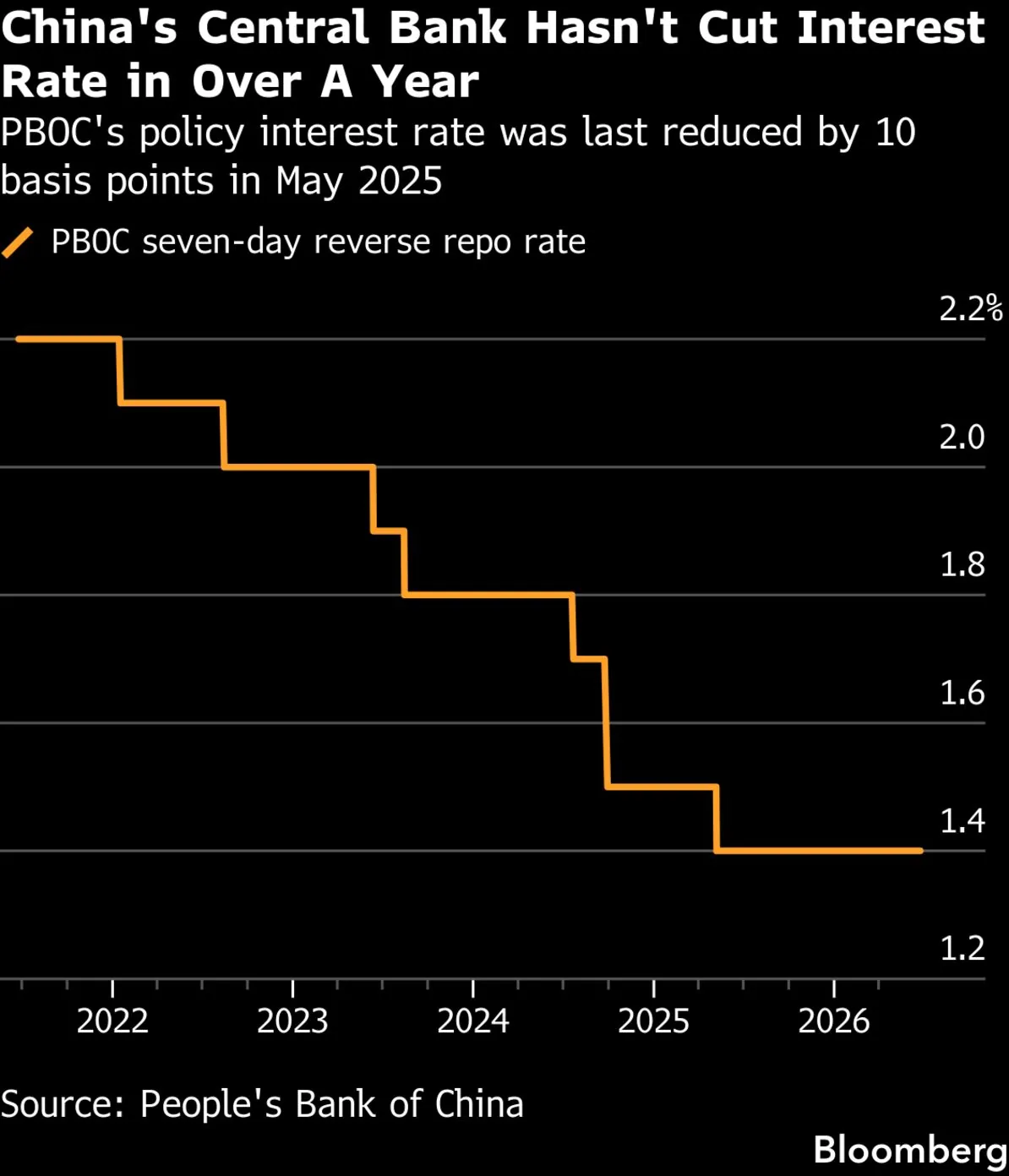
On September 20, 2026, the People's Bank of China (PBOC) kept its loan prime rates (LPR) unchanged, with the 1-year LPR at 3.0% and the 5-year-plus LPR at 3.5%, as reported by the Financial Times. The decision was widely expected by the market. Wang Qing, chief macro analyst at东方金诚 (Golden Credit Rating), attributed the hold to a stable pricing basis, noting that the 7-day reverse repo rate has remained at 1.40% since the previous LPR announcement. He added that interbank funding costs have risen slightly in September, and commercial banks' net interest margins, while recovering to 1.41% in Q2, remain near historical lows, reducing the incentive for banks to cut LPR spreads. Wen Bin, chief economist at China Minsheng Bank, argued that the economy retains resilience, supported by government bond issuance and new policy financial instruments, reducing the urgency for a rate cut. He noted that new corporate and mortgage loan rates remain low, and real interest rates have marginally declined, aiding the real economy. Dong Ximing, chief economist at China Merchants Union, described the decision as a prudent choice balancing domestic and external factors.
Read sourceChina LPR Holds Steady for 16th Month; Analysts Expect Rate and RRR Cuts Soon
On September 20, the People's Bank of China (PBOC) kept the Loan Prime Rate (LPR) unchanged for the 16th consecutive month, with the one-year LPR at 3.0% and the over-five-year LPR at 3.5%. Analysts from Dongfang Jincheng and China Minsheng Bank attribute the stability to a steady policy rate (7-day reverse repo at 1.4%), rising interbank funding costs, and commercial banks' persistently low net interest margins (1.41% in Q2), which reduce incentives to cut lending rates. Despite the hold, experts forecast a new round of easing. Wang Qing, Chief Macro Analyst at Dongfang Jincheng, predicts a 10-basis-point policy rate cut and a 0.5-percentage-point reserve requirement ratio (RRR) reduction in the near future, which would drive a follow-on LPR cut to boost consumption and stabilize the real estate market. The analysis notes that while the US Federal Reserve and other central banks are tightening, China's monetary policy will maintain a moderately accommodative stance to support domestic demand.
Read sourceChina's LPR Holds Steady for 16th Month; Analysts See Possible Rate Cuts Ahead
On September 20, China's Loan Prime Rate (LPR) remained unchanged for the 16th consecutive month, with the one-year LPR at 3.0% and the over-five-year LPR at 3.5%. Analysts from Dongfang Jincheng and China Minsheng Bank attributed the stability to a steady policy rate, rising money market costs, and persistent pressure on commercial banks' net interest margins (NIM), which rebounded slightly to 1.41% in Q2 but remain near historic lows. Wang Qing, Chief Macro Analyst at Dongfang Jincheng, stated that the unchanged LPR aligned with market expectations and that the central bank may implement a policy-driven rate cut later, potentially lowering the LPR. The Dongfang Jincheng research team estimated a possible 10-basis-point rate cut and a 0.5-percentage-point reserve requirement ratio (RRR) reduction. Wen Bin of China Minsheng Bank noted that banks lack sufficient motivation to proactively lower LPR quotes due to squeezed margins. The analysts suggested that new incremental policies, including structural monetary tools and rate cuts, could be introduced to boost consumption, stabilize investment, and support the real estate market, while noting that domestic monetary policy will maintain a moderately accommodative stance despite tightening external financial conditions.
Read sourceShow 17 older updatesHide older updates
China's LPR Holds Steady for 16th Month; Analysts Predict Rate and RRR Cuts
On September 20, the People's Bank of China (PBOC) kept the one-year Loan Prime Rate (LPR) at 3.0% and the over-five-year LPR at 3.5%, marking the 16th consecutive month of unchanged rates, in line with market expectations. Wang Qing, Chief Macro Analyst at Dongfang Jincheng, attributed the stability to an unchanged pricing basis, as the PBOC's seven-day reverse repo rate remained at 1.4%, and a lack of incentive for banks to lower their LPR spread due to rising interbank funding costs and near-record low net interest margins (1.41% in Q2). Wen Bin, Chief Economist at China Minsheng Bank, added that continued pressure on net interest margins from both asset and liability sides left banks unmotivated to cut LPR quotes. The Dongfang Jincheng research team noted that the steady LPR reflects the economy growing within target range (4.7% in H1) and monetary policy remaining in an observation phase. However, Wang Qing forecasted that the central bank may implement a new round of incremental policies, including a 10-basis-point rate cut and a 0.5-percentage-point reserve requirement ratio (RRR) cut, which would lead to follow-on LPR adjustments to boost consumption and stabilize the real estate market before year-end. He also noted that despite tightening external financial conditions from US, European, and Japanese rate hikes, domestic monetary policy will maintain its moderately accommodative stance.
Read sourceChina's LPR Holds Steady for 16th Month; Analysts See Possible Rate Cut, RRR Reduction Ahead
On September 20, the People's Bank of China (PBOC) kept the 1-year Loan Prime Rate (LPR) at 3.0% and the 5-year-plus LPR at 3.5%, marking the 16th consecutive month of no change. Analysts from Dongfang Jincheng and China Minsheng Bank attributed the stability to a steady policy rate (7-day reverse repo rate at 1.4%), rising interbank funding costs, and persistently low net interest margins at commercial banks. Dongfang Jincheng's chief macro analyst Wang Qing noted that the economy grew 4.7% in the first half, within the target range, allowing the PBOC to maintain policy patience. However, both analysts forecast possible new stimulus measures, including a 10-basis-point policy rate cut and a 50-basis-point reserve requirement ratio (RRR) reduction, which would likely drive LPR lower. They argued that despite tightening by the Fed, ECB, and BOJ, China's monetary policy will remain moderately accommodative, with limited impact from external tightening. Such moves would aim to boost consumption, investment, and the property market.
Read sourceChina's LPR Holds Steady for 16th Month; Analysts Flag Possible Rate Cut by Year-End
On September 20, the People's Bank of China (PBOC) kept the one-year Loan Prime Rate (LPR) at 3.0% and the five-year-plus LPR at 3.5%, marking the 16th consecutive month of unchanged rates. Analysts from Dongfang Jincheng and China Minsheng Bank attributed the stability to a steady policy rate (7-day reverse repo rate at 1.4%), rising interbank funding costs, and persistently low net interest margins at commercial banks. Dongfang Jincheng's chief macro analyst Wang Qing noted that the economy grew 4.7% in the first half, within the 4.5%-5.0% target range, allowing the central bank to maintain a wait-and-see stance. However, both Wang Qing and Wen Bin of China Minsheng Bank forecast possible policy easing later this year, including a 10-basis-point rate cut and a 50-basis-point reserve requirement ratio (RRR) cut, which would drive LPR lower. They argued that despite tightening by the Federal Reserve and other central banks, China's monetary policy will remain moderately accommodative to support consumption, investment, and the property market.
Read sourceChina LPR Unchanged for 16 Months; Analysts Expect PBOC Rate Cut and RRR Reduction
On September 20, the People's Bank of China (PBOC) kept the Loan Prime Rate (LPR) unchanged for the 16th consecutive month, with the one-year LPR at 3.0% and the over-five-year LPR at 3.5%. Analysts from Dongfang Jincheng and China Minsheng Bank attributed the stability to an unchanged policy rate (7-day reverse repo rate at 1.4%), rising money market funding costs, and commercial banks' persistently low net interest margins near historic lows of 1.41%. Wang Qing, Chief Macro Analyst at Dongfang Jincheng, stated that the unchanged LPR largely aligned with market expectations. Wen Bin, Chief Economist at China Minsheng Bank, noted that both asset and liability sides continue to squeeze net interest margins, leaving banks without sufficient motivation to cut LPR quotes. The Dongfang Jincheng research team judged that the central bank may implement a policy-driven rate cut later, which would prompt the LPR to follow with a reduction. Wang Qing estimated a potential 10 basis point rate cut and a 0.5 percentage point reserve requirement ratio (RRR) reduction, which would serve as levers to boost consumption and stabilize investment before year-end, focusing on stimulating domestic demand and stabilizing the real estate market.
Read sourceChina's LPR Holds Steady for 16th Month; Analysts Flag Possible Rate Cut by Year-End
On September 20, the People's Bank of China (PBOC) kept the one-year Loan Prime Rate (LPR) at 3.0% and the five-year-plus LPR at 3.5%, marking the 16th consecutive month of unchanged rates. Analysts from Dongfang Jincheng and China Minsheng Bank attributed the stability to a steady policy rate (7-day reverse repo rate at 1.4%), rising interbank funding costs, and persistently low net interest margins at commercial banks. Dongfang Jincheng's chief macro analyst Wang Qing noted that the economy grew 4.7% in the first half, within the 4.5%-5.0% target range, allowing the central bank to maintain a wait-and-see stance. However, both Wang Qing and Wen Bin of China Minsheng Bank forecast that the PBOC may implement a 10-basis-point policy rate cut and a 50-basis-point reserve requirement ratio (RRR) cut later this year, which would drive LPR lower. They argued such easing would boost consumption, investment, and the property market, and that external tightening by the Fed, ECB, and BOJ would have limited impact on China's accommodative monetary policy.
Read sourceChina's LPR Holds Steady for 16th Month; Analysts See Possible Rate Cuts Ahead
On September 20, the People's Bank of China (PBOC) kept the Loan Prime Rate (LPR) unchanged for the 16th consecutive month, with the one-year LPR at 3.0% and the over-five-year LPR at 3.5%. Analysts from Dongfang Jincheng and China Minsheng Bank attribute the stability to an unchanged policy rate (seven-day reverse repo rate at 1.4%), rising interbank funding costs, and persistently low net interest margins near historic lows, which reduce banks' incentive to lower the LPR spread. Wang Qing, Chief Macro Analyst at Dongfang Jincheng, notes that the unchanged LPR aligns with market expectations and reflects the central bank's observation phase amid moderate economic growth. However, he and the Dongfang Jincheng research team forecast that the PBOC may implement a policy-driven rate cut of 10 basis points and a reserve requirement ratio reduction of 0.5 percentage points later, which would prompt LPR reductions to boost consumption and stabilize the real estate market. Wen Bin of China Minsheng Bank adds that continued pressure on net interest margins from both asset and liability sides leaves banks without sufficient motivation to proactively adjust the LPR quote.
Read sourceChina LPR Holds Steady for 16th Month; Analysts Expect PBOC Rate and RRR Cuts
On September 20, the People's Bank of China (PBOC) kept the one-year Loan Prime Rate (LPR) at 3.0% and the over-five-year LPR at 3.5%, marking the 16th consecutive month of unchanged rates, in line with market expectations. Analysts cited stable policy rates, rising interbank funding costs, and persistently low net interest margins as reasons banks lack incentive to cut LPR quotes. Wang Qing of Dongfang Jincheng noted that the PBOC may implement a 10-basis-point rate cut and a 0.5-percentage-point reserve requirement ratio (RRR) cut, which would drive LPR declines to boost consumption and stabilize the real estate market. Wen Bin of China Minsheng Bank added that asset and liability pressures continue to squeeze net interest margins. The Dongfang Jincheng research team judged that policy-driven rate cuts later would prompt LPR reductions, while noting that H1 GDP growth of 4.7% remains within the full-year target range, keeping monetary policy in an observation phase. Wang Qing also stated that despite tightening external financial conditions from U.S. Fed rate hikes, China's monetary policy will maintain a moderately accommodative stance.
Read sourceChina's LPR Holds Steady for 16th Month; Analysts Predict Future Rate and RRR Cuts
On September 20, the People's Bank of China (PBOC) kept the one-year Loan Prime Rate (LPR) at 3.0% and the over-five-year LPR at 3.5%, marking the 16th consecutive month of unchanged rates. Analysts attribute the stability to a steady policy rate (7-day reverse repo at 1.4%) and commercial banks' lack of incentive to lower the LPR spread due to rising funding costs and persistently low net interest margins. Wang Qing, Chief Macro Analyst at Dongfang Jincheng, stated that the unchanged LPR aligns with market expectations. Wen Bin, Chief Economist at China Minsheng Bank, noted that squeezed net interest margins from both asset and liability sides reduce banks' motivation to cut rates. The Dongfang Jincheng research team judges that the central bank may implement policy-driven rate cuts later, which would prompt LPR reductions. Wang Qing added that a new round of incremental policies is possible, including structural monetary tools and a 10-basis-point rate cut combined with a 0.5-percentage-point reserve requirement ratio (RRR) cut, to boost consumption and stabilize the real estate market. He also noted that despite tightening external financial conditions, domestic monetary policy will maintain a moderately accommodative stance.
Read sourceChina's LPR Holds Steady for 16th Month; Analysts Flag Possible Rate Cut by Year-End
On September 20, the People's Bank of China kept the one-year Loan Prime Rate (LPR) at 3.0% and the five-year-plus LPR at 3.5%, marking the 16th consecutive month of no change. Analysts from Dongfang Jincheng and China Minsheng Bank said the decision was widely expected, citing a stable policy rate (7-day reverse repo rate at 1.4%), rising interbank funding costs, and persistently low net interest margins at commercial banks. Dongfang Jincheng's chief macro analyst Wang Qing noted that the economy grew 4.7% in the first half, within the annual target range, allowing the central bank to maintain policy restraint. However, both Wang Qing and China Minsheng Bank's Wen Bin forecast possible stimulus measures later this year, including a 10-basis-point policy rate cut and a 50-basis-point reserve requirement ratio reduction, which would likely drive LPR lower. They argued such moves would boost consumption, investment, and the property market, and that external tightening by the Fed, ECB, and BOJ would not deter China's moderately accommodative stance.
Read sourceChina LPR Holds Steady for 16th Month; Experts Predict Possible Rate and RRR Cuts
On September 20, the People's Bank of China (PBOC) kept the Loan Prime Rate (LPR) unchanged for the 16th consecutive month, with the one-year LPR at 3.0% and the over-five-year LPR at 3.5%. Analysts from Dongfang Jincheng and China Minsheng Bank attributed the stability to a steady policy rate (7-day reverse repo rate at 1.4%), rising interbank funding costs, and persistently low net interest margins near historic lows, which reduce banks' incentive to lower LPR spreads. Despite the hold, experts do not rule out a new round of incremental policies. Wang Qing, Chief Macro Analyst at Dongfang Jincheng, forecasts potential interest rate cuts of 10 basis points and a reserve requirement ratio (RRR) cut of 0.5 percentage points in the near future, which would drive LPR adjustments to boost consumption and stabilize the real estate market. The analysis notes that while external central banks like the US Federal Reserve are tightening, China's monetary policy is expected to maintain a moderately accommodative stance.
Read sourceChina LPR Holds Steady for 16th Month; Analysts Expect PBOC Rate and RRR Cuts
On September 20, the People's Bank of China (PBOC) kept the one-year Loan Prime Rate (LPR) at 3.0% and the over-five-year LPR at 3.5%, marking the 16th consecutive month of unchanged rates. Analysts from Dongfang Jincheng and China Minsheng Bank attribute the stability to a stable policy rate (seven-day reverse repo rate at 1.4%), rising money market funding costs, and persistent pressure on commercial banks' net interest margins, which recovered slightly to 1.41% in Q2 but remain near historic lows. Wang Qing, Chief Macro Analyst at Dongfang Jincheng, suggests the central bank may implement a 10-basis-point interest rate cut and a 0.5-percentage-point reserve requirement ratio (RRR) reduction in the future, which would drive LPR lower to boost consumption and stabilize the real estate market. Wen Bin of China Minsheng Bank notes that low lending rates for new loans and rising certificate of deposit rates continue to squeeze margins, reducing banks' incentive to cut LPR proactively. The Dongfang Jincheng research team judges that a policy-driven rate cut later could prompt LPR to follow suit, while domestic monetary policy will maintain a moderately accommodative stance despite external tightening.
Read sourceChina's LPR Holds Steady for 16th Month; Analysts Flag Possible Rate Cut by Year-End
On September 20, the People's Bank of China (PBOC) kept the 1-year Loan Prime Rate (LPR) at 3.0% and the 5-year-plus LPR at 3.5%, marking the 16th consecutive month of no change. Analysts from Dongfang Jincheng and China Minsheng Bank attributed the stability to an unchanged policy rate (7-day reverse repo rate at 1.4%), rising interbank funding costs, and persistently low net interest margins at commercial banks. Dongfang Jincheng's chief macro analyst Wang Qing noted that the economy grew 4.7% in the first half, within the target range, allowing the PBOC to maintain policy patience. However, both Wang Qing and Minsheng Bank's Wen Bin forecast that the PBOC may implement a 10-basis-point policy rate cut and a 50-basis-point reserve requirement ratio (RRR) cut later this year, which would drive LPR lower. They argued such easing would boost consumption, investment, and the property market, and that external tightening by the Fed, ECB, and BOJ would have limited impact on China's moderately accommodative stance.
Read sourceChina's LPR Holds Steady for 16th Month; Experts See Potential for Rate and RRR Cuts
On September 20, China's loan market quoted interest rate (LPR) remained unchanged for the 16th consecutive month, with the 1-year LPR at 3.0% and the 5-year and above LPR at 3.5%. Analysts from Oriental Jincheng and China Minsheng Bank attributed the stability to a steady policy interest rate (7-day reverse repo rate at 1.4%), rising interbank funding costs, and persistent pressure on commercial banks' net interest margins, which rebounded slightly to 1.41% in Q2 but remain near historic lows. Wang Qing, chief macro analyst at Oriental Jincheng, stated that the unchanged LPR was in line with market expectations and that commercial banks lack motivation to proactively lower quotes. The Oriental Jincheng research team noted that the stable LPR reflects strong macro policy and a monetary policy observation period, despite weakening economic growth momentum. Wang Qing and the team forecast that the central bank may introduce a new round of incremental policies, including structural monetary tool adjustments and potential interest rate cuts of 10 basis points and a reserve requirement ratio cut of 0.5 percentage points, which would lead to subsequent LPR reductions to boost domestic demand and stabilize the real estate market.
Read sourceChina LPR Holds Steady for 16th Month; Analysts Expect PBOC Rate and RRR Cuts
On September 20, the People's Bank of China (PBOC) kept the Loan Prime Rate (LPR) unchanged for the 16th consecutive month, with the one-year LPR at 3.0% and the over-five-year LPR at 3.5%. Analysts from Dongfang Jincheng and China Minsheng Bank attribute the stability to an unchanged policy rate (seven-day reverse repo rate at 1.4%), rising interbank funding costs, and commercial banks' persistently low net interest margins (1.41% in Q2). Wang Qing, Chief Macro Analyst at Dongfang Jincheng, stated that the central bank may implement a 10-basis-point rate cut and a 0.5-percentage-point reserve requirement ratio (RRR) cut, which would drive LPR lower to boost consumption and stabilize the real estate market. Wen Bin, Chief Economist at China Minsheng Bank, noted that banks lack motivation to cut LPR due to squeezed margins from low loan rates and stable deposit costs. The Dongfang Jincheng research team added that the LPR stability is supported by GDP growth within target range, but a policy-driven rate cut later is possible.
Read sourceChina LPR holds steady for 16th month; analysts expect PBOC rate cut and RRR reduction
On September 20, the People's Bank of China (PBOC) kept the Loan Prime Rate (LPR) unchanged for the 16th consecutive month, with the one-year LPR at 3.0% and the over-five-year LPR at 3.5%. Analysts from Dongfang Jincheng and China Minsheng Bank attributed the stability to a steady policy rate (PBOC's seven-day reverse repo rate at 1.4%), rising interbank funding costs, and commercial banks' net interest margins remaining near historic lows despite a slight Q2 rebound to 1.41%. Wang Qing, Chief Macro Analyst at Dongfang Jincheng, stated that the central bank may implement a policy-driven rate cut later, estimating a 10-basis-point rate cut and a 0.5-percentage-point reserve requirement ratio (RRR) reduction, which would drive LPR lower to boost consumption and stabilize investment and the real estate market. Wen Bin of China Minsheng Bank noted that banks lack motivation to cut LPR due to persistent net interest margin pressure from low lending rates and stable deposit costs. The Dongfang Jincheng research team judged that monetary policy remains in an observation phase, but a new round of incremental policies, including structural tools and rate cuts, is possible.
Read sourceChina LPR Holds Steady for 16th Month; Analysts Expect PBOC Rate and RRR Cuts
On September 20, the People's Bank of China (PBOC) kept the Loan Prime Rate (LPR) unchanged for the 16th consecutive month, with the one-year LPR at 3.0% and the over-five-year LPR at 3.5%. Analysts attributed the stability to an unchanged policy rate (7-day reverse repo rate at 1.4%) and commercial banks' lack of incentive to lower the LPR quote spread due to rising funding costs and persistently low net interest margins (1.41% in Q2). Wang Qing, Chief Macro Analyst at Dongfang Jincheng, stated that the unchanged LPR aligned with market expectations and that the central bank may implement a 10-basis-point rate cut and a 0.5-percentage-point reserve requirement ratio (RRR) reduction, which would drive the LPR down. Wen Bin, Chief Economist at China Minsheng Bank, noted that commercial banks lack sufficient motivation to proactively lower the LPR quote given pressure on net interest margins. The Dongfang Jincheng research team judged that the central bank may implement a policy-driven rate cut later, prompting the LPR to follow suit. Wang Qing added that structural monetary policy tools will continue to support technology financing and inclusive finance, and that rate cuts and RRR reductions are key to boosting consumption and stabilizing the real estate market before year-end.
Read sourceChina LPR Holds Steady for 16th Month; Analysts Expect PBOC Rate and RRR Cuts Soon
On September 20, the People's Bank of China (PBOC) kept the one-year Loan Prime Rate (LPR) at 3.0% and the over-five-year LPR at 3.5%, marking the 16th consecutive month of unchanged rates. Analysts from Dongfang Jincheng and China Minsheng Bank attributed the stability to a steady policy rate (7-day reverse repo at 1.4%), rising money market funding costs, and persistent pressure on commercial banks' net interest margins, which recovered slightly to 1.41% in Q2 but remain near historic lows. Wang Qing, Chief Macro Analyst at Dongfang Jincheng, stated that the central bank may implement a 10-basis-point rate cut and a 0.5-percentage-point reserve requirement ratio (RRR) cut in the near future, which would drive subsequent LPR reductions to boost consumption and stabilize the real estate market. Wen Bin of China Minsheng Bank noted that commercial banks lack motivation to cut LPR quotes due to squeezed margins. The Dongfang Jincheng research team judged that policy-driven rate cuts are likely later, with LPR adjustments to follow, while noting that external tightening by the Fed, ECB, and BOJ will not deter China's moderately accommodative stance.
Read source