PBOC Releases 2026 Report, Vows to Improve Cross-Border Yuan Infrastructure
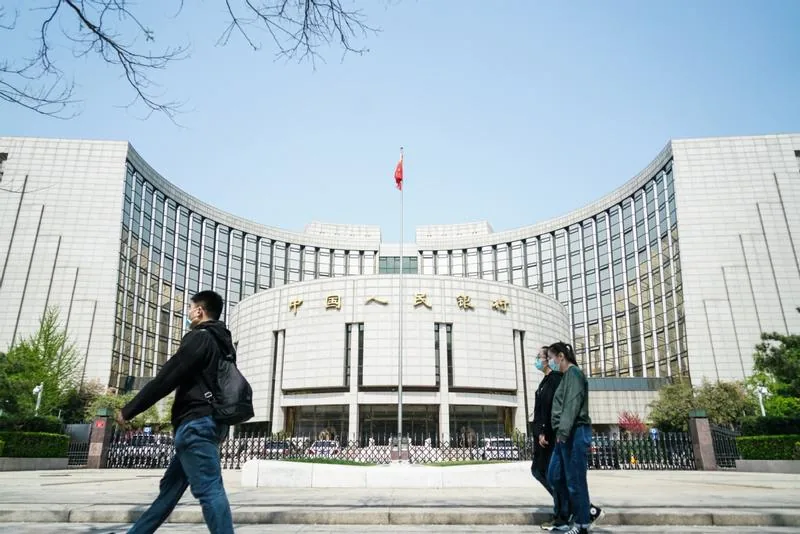
On September 24, the People's Bank of China (PBOC) released its 2026 Renminbi Internationalization Report, outlining plans to improve cross-border yuan usage infrastructure, deepen financial market opening, support Shanghai as an international financial center, and consolidate Hong Kong's status as a global financial hub. The PBOC also pledged to support banks in providing global yuan solutions for trade and investment.
 Illustration
Editorial responsibility
- No named human review is recorded for this page.
- Reports are grouped by semantic similarity and deterministic rules. Language models may assist titles, summaries, translation and cross-source analysis; the page reads the event directly, while its address stays stable when the title changes.
- Summary covers the current reports
Cross-source coverage
Reporting timeline
China's Central Bank Vows to Improve Cross-Border Yuan Use Infrastructure
On September 24, the People's Bank of China (PBOC) released its 2026 Renminbi Internationalization Report, outlining the next steps for promoting the global use of the Chinese yuan. The central bank stated it will further improve the basic institutional arrangements for cross-border yuan usage to better meet the needs of various entities for yuan settlement, investment, financing, and risk management. The report also emphasizes deepening the opening of financial markets to support the development of Shanghai as an international financial center. Additionally, the PBOC will support the growth of the offshore yuan market and consolidate Hong Kong's status as a global financial hub. The central bank pledged to strengthen financial infrastructure while balancing financial openness with financial security.
Read sourceChina's Central Bank Backs Banks to Offer Global Yuan Solutions for Trade
On September 24, the People's Bank of China (PBOC) released its 2026 renminbi internationalization report, outlining its next steps to promote the global use of the Chinese currency. The central bank stated it will adhere to market-driven principles, continue to improve the global clearing bank network, and increase policy support for clearing banks' business operations. A key proposal is to support both Chinese and foreign-funded banks in providing global renminbi usage solutions for the real economy, with the aim of facilitating trade and investment. This policy direction signals China's ongoing commitment to internationalizing the yuan, leveraging the banking sector to enhance its role in cross-border transactions and reduce reliance on the US dollar.
Read sourceChina's Central Bank Backs Banks to Offer Global Yuan Solutions for Trade
On September 24, the People's Bank of China (PBOC) released its 2026 Renminbi Internationalization Report, outlining plans to further promote the global use of the Chinese yuan. The report states that the PBOC will adhere to market-driven principles and continue to improve the global clearing bank network. It will increase policy support for clearing banks' operations and encourage both Chinese and foreign-funded banks to provide global renminbi usage solutions for the real economy. The goal is to facilitate trade and investment by making it easier for entities to use the yuan in international transactions. This initiative is part of China's ongoing efforts to internationalize its currency and reduce reliance on the US dollar in global trade and finance.
Read sourceShow 3 older updatesHide older updates
China's Central Bank to Improve Cross-Border Yuan Use Infrastructure
On September 24, the People's Bank of China (PBOC) released its 2026 Renminbi Internationalization Report, outlining plans to further promote the international use of the yuan. The central bank stated it will improve the basic institutional arrangements for cross-border yuan usage to better meet the needs of various entities for yuan settlement, investment, financing, and risk management. The PBOC also plans to deepen financial market opening, support the development of Shanghai as an international financial center, and promote the offshore yuan market while consolidating Hong Kong's status as a global financial hub. Additionally, the report emphasizes strengthening financial infrastructure and balancing financial openness with financial security.
Read sourceChina's Central Bank to Improve Cross-Border Yuan Use Infrastructure and Rules
On September 24, the People's Bank of China (PBOC) released its 2026 renminbi internationalization report, outlining plans to further improve the basic institutional arrangements for cross-border yuan usage. According to the report, the PBOC will respond to market demand by better meeting the needs of various entities for yuan trade settlement, investment and financing, and risk management. The central bank also stated it will deepen financial market opening to support the development of the Shanghai International Financial Center, promote the growth of the offshore yuan market, and consolidate and enhance Hong Kong's status as an international financial center. Additionally, the PBOC emphasized the need to improve financial infrastructure while balancing financial openness with financial security.
Read sourceChina's Central Bank to Improve Basic Institutional Arrangements for Cross-Border Yuan Use
According to a report from stockstar_stock_live, the People's Bank of China (PBOC) has released its 2026 renminbi (RMB) internationalization report, outlining next steps for promoting the global use of the Chinese currency. The central bank stated it will improve basic institutional arrangements for cross-border RMB usage to better meet the needs of various entities for trade settlement, investment and financing, and risk management. The PBOC also plans to deepen financial market opening and support the development of Shanghai as an international financial center. Additionally, it will support the growth of offshore RMB markets and consolidate Hong Kong's status as a global financial hub. The report emphasizes the need to strengthen financial infrastructure while balancing financial openness with financial security.
Read source