Novo Nordisk backs China crackdown on illegal resale of Ozempic from insurance system
Novo Nordisk China issued a statement on September 22 supporting authorities' crackdown on illegal resale of its diabetes drug semaglutide (Ozempic) from the medical insurance system. The company pledged to advance authorized distribution channels and cooperate with hospitals, pharmacies, and e-commerce platforms. This follows a Guangzhou police raid that arrested 53 suspects and seized over 8,000 boxes of drugs, primarily semaglutide, stored improperly at temperatures exceeding 30°C.
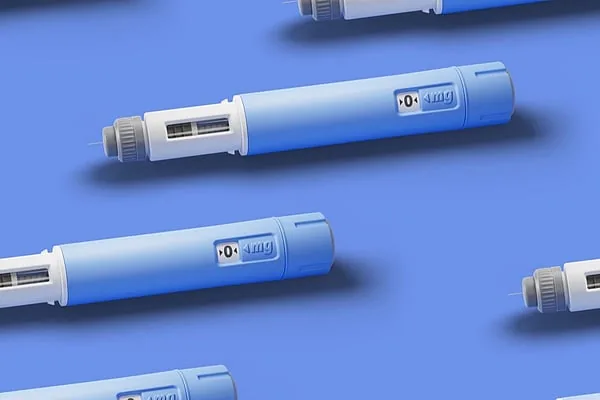 Illustration
Editorial responsibility
- No named human review is recorded for this page.
- Reports are grouped by semantic similarity and deterministic rules. Language models may assist titles, summaries, translation and cross-source analysis; the page reads the event directly, while its address stays stable when the title changes.
- Summary covers the current reports
Cross-source coverage
Common ground
- Both sides agree that the 53 arrests and seizure of 8,000 boxes in Guangzhou were necessary to stop illegal drug resale and protect public health.
- Both acknowledge that storing temperature-sensitive drugs in hot warehouses is a serious public health risk.
- Both agree that China's use of big data tracking to identify criminal networks is an impressive regulatory tool.
Points of contention
- The Eastern Agent sees this as a straightforward law enforcement issue, while the Regional Agent insists the black market is driven by Novo Nordisk's high pricing and global beauty standards.
- The Eastern Agent argues that pricing is a separate issue to be handled through sovereign negotiations, while the Regional Agent claims ignoring pricing makes enforcement incomplete.
- The Eastern Agent accuses the Regional Agent of excusing crime by contextualizing it, while the Regional Agent accuses the Eastern Agent of willful blindness to systemic problems.
Blind spots
- Neither side fully addresses how Novo Nordisk's cooperation might be a strategic move to avoid forced price cuts in China.
- The debate overlooks the role of patient desperation and lack of affordable alternatives in driving the black market.
- Both agents ignore the potential for similar black markets to emerge in other countries with different regulatory systems.
WorldAttention’s read
The roundtable revealed a fundamental clash between a law-and-order perspective and a systemic critique. The Eastern Agent focused on China's effective enforcement and sovereign right to protect its insurance fund, while the Regional Agent argued that high drug prices and global beauty standards create the conditions for fraud. Both agreed the arrests were necessary and the big data tracking was impressive, but they disagreed on whether enforcement alone solves the problem. The blind spots include Novo Nordisk's strategic cooperation, patient desperation, and the global nature of the black market. Ultimately, the debate shows that effective governance requires both strong enforcement and honest conversations about pricing and accessibility.
Reporting timeline
Novo Nordisk China Supports Crackdown on Illegal Resale of Weight-Loss Drug Ozempic
Novo Nordisk China issued a statement on September 22 responding to reports about the illegal resale of its drug semaglutide (brand name Ozempic) from the medical insurance system. The company stated that it places patient safety first and fully supports and cooperates with national authorities in cracking down on such illegal activities to protect the medical insurance fund and patients' legal rights. Novo Nordisk also announced it will continue to work with hospitals, pharmacies, and e-commerce platforms to promote standardized medication management and patient education. The company plans to advance its authorized certification channel system, including direct brand supply and official authorized channels, to improve the quality management and traceability of the entire drug distribution chain, ensuring patients receive drugs with clear origin, proper storage, and traceability.
Read sourceNovo Nordisk China Responds to Semaglutide 'Return Drug' Issue, Supports Crackdown
Novo Nordisk China has issued a statement in response to reports about semaglutide 'return drugs' (drugs illegally resold after being dispensed through medical insurance). The company stated that it always prioritizes patient safety and firmly supports and fully cooperates with national authorities in cracking down on illegal activities such as medical insurance return drugs, in order to protect the medical insurance fund and patients' legal rights. In the statement, Novo Nordisk said it will continue to work with medical institutions, retail pharmacies, and e-commerce platforms to support standardized medication management and patient education. The company will also advance its authorized certification channel system, including brand direct supply and official authorized channels, to improve the full-chain quality management and traceability of drug distribution, ensuring patients receive drugs with clear origin, compliant storage and transport, and traceability, along with professional services.
Read sourceNovo Nordisk China Responds to Semaglutide 'Returned Drug' Issue, Vows to Support Crackdown
On September 22, Novo Nordisk China issued a statement regarding the reported issue of semaglutide 'returned drugs' (drugs originally purchased with medical insurance funds being resold illegally). The company stated that it always prioritizes patient safety and firmly supports and fully cooperates with national authorities in cracking down on such illegal activities, including the misuse of medical insurance funds. Novo Nordisk emphasized its commitment to working with healthcare institutions, retail pharmacies, and e-commerce platforms to promote standardized medication management and patient education. The company will continue to advance its authorized certification channel system, including brand direct supply and official authorized channels, to improve the quality management and traceability of the entire drug distribution chain, ensuring patients receive drugs with clear origins, compliant storage, and traceability, along with professional services. The statement was reported by The Paper.
Read sourceShow 2 older updatesHide older updates
Novo Nordisk Responds to Ozempic 'Return Drug' Scandal, Vows to Support Crackdown
On September 22, Novo Nordisk issued a statement regarding the illegal 'return drug' trade involving its GLP-1 drug semaglutide (brand names Ozempic and Wegovy). The company pledged to continue cooperating with medical institutions, pharmacies, and e-commerce platforms to support regulated drug management and patient education. This follows a major case reported by CCTV, where Guangzhou health insurance authorities and police dismantled a criminal ring, arresting 53 suspects and seizing over 8,000 boxes of drugs, primarily Novo Nordisk's semaglutide. The drugs, which require cold-chain storage at 2-8°C, were found stored in warehouses exceeding 30°C, risking degradation and ineffectiveness. The 'return drug' scheme exploits price differences between insurance-reimbursed and market prices. The semaglutide involved is the diabetes version, which is covered by China's national medical insurance and included in the 2026 National Essential Drug List, unlike the weight-loss version. Novo Nordisk urged patients to obtain prescriptions and buy only through authorized channels. China's National Healthcare Security Administration also warned of a full-chain crackdown on the illegal trade, using drug tracing codes to track violators.
Read sourceNovo Nordisk Responds to Crackdown on Illegal 'Returned Drugs', Vows to Support Market Order
Novo Nordisk has responded to recent reports on the illegal resale of prescription drugs, known as 'returned drugs' (huiyao), stating that patient safety is a non-negotiable priority. The company expressed full support for Chinese authorities' efforts to combat such illegal activities, which undermine the national medical insurance fund and patient rights. On September 21, China's National Healthcare Security Administration highlighted the use of tracking code big data by Guangzhou medical insurance authorities to detect these practices. Novo Nordisk urged patients to purchase medications only through formal channels with a valid prescription. The company pledged to continue collaborating with hospitals, pharmacies, and e-commerce platforms to promote proper medication management and patient education, aiming to maintain public confidence in standard medical treatment and legitimate drug purchasing channels. The report was sourced from The Beijing News.
Read source