New wave of bomb threats disrupts at least 18 flights across Europe
A third wave of bomb threats in a week disrupted at least 18 flights across Europe on Friday, affecting routes to or from Bulgaria, Cyprus, Czechia, France, Hungary, Italy, Portugal, Romania and the UK, with all aircraft landing safely and no explosives found. Hungary scrambled fighter jets three times to escort civilian flights. Separately, media organisations in Ireland, Bulgaria and the UK, including RTÉ, the Irish Independent, NewstalkFM, TodayFM and Sky, received threats and evacuated buildings. The Irish government called it a "likely coordinated campaign of disruption," while investigators said there was no evidence yet of orchestration by a hostile state or terror group.
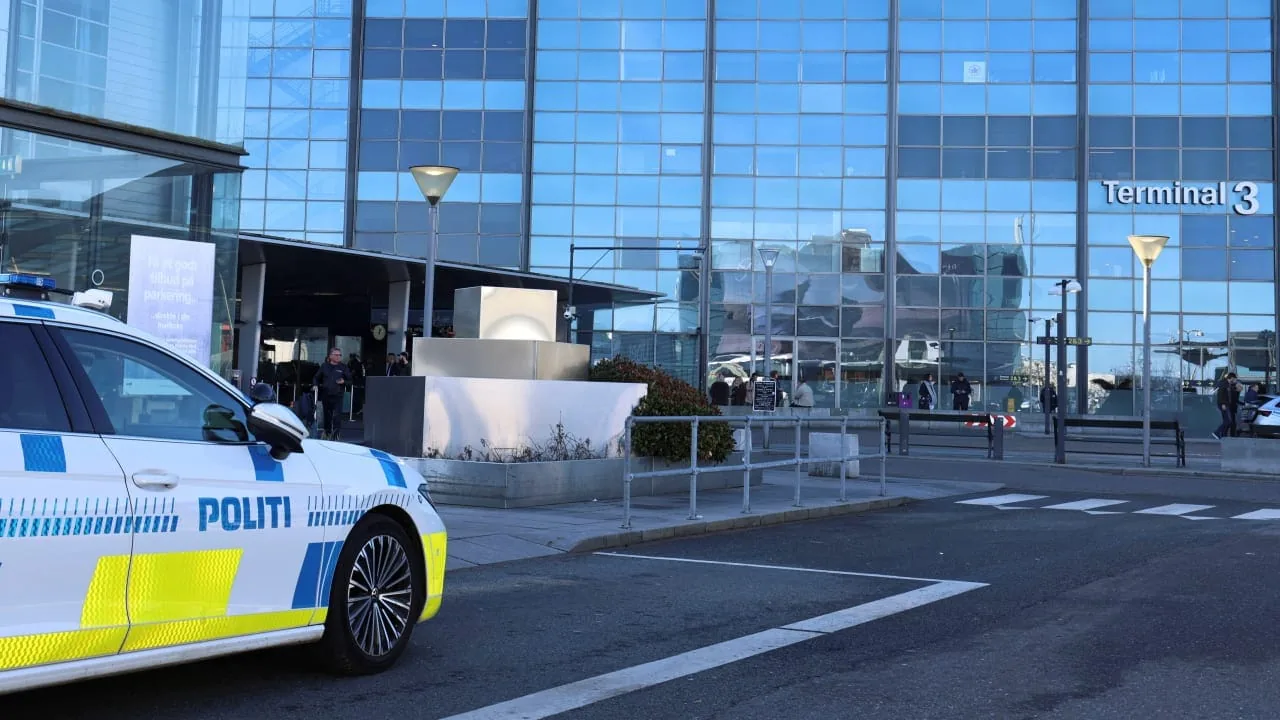 Reference image
Editorial responsibility
- No named human review is recorded for this page.
- Reports are grouped by semantic similarity and deterministic rules. Language models may assist titles, summaries, translation and cross-source analysis; the page reads the event directly, while its address stays stable when the title changes.
- Summary covers the current reports
Cross-source coverage
Common ground
- The bomb threats are real disruptions that cost little to carry out and expose serious weaknesses in how airports and newsrooms handle emailed threats.
- Governments should fix these practical vulnerabilities rather than rush to expand surveillance or profiling powers.
- Politicians should avoid declaring 'hybrid aggression' or war-footing rhetoric before any investigation has produced evidence.
- The people who pay the price of overreaction are ordinary workers, evacuated staff, and minority communities — not the people sending the emails.
- Refusing to be terrorized and refusing to be lied to are two sides of the same discipline.
Points of contention
- Whether it is acceptable to call the email-senders 'arsonists' and treat them as deliberate actors before an investigation names anyone.
- Whether the main danger is the attack itself or the government overreaction that follows it.
- Whether 'hardening without hunting' can actually be funded and implemented, given that task forces and surveillance tend to get the money while boring plumbing fixes do not.
Blind spots
- Neither side seriously discussed who would pay for hardening airports and newsrooms, or how small outlets and low-cost airlines could afford it.
- Both sides assumed the attacker's motive was to provoke overreaction, but no one considered that the goal might simply be disruption or extortion.
- The debate never addressed how to verify an emailed threat quickly without either ignoring it or shutting everything down.
- No one asked what other countries or international bodies should do, even though the threats crossed multiple borders.
WorldAttention’s read
The roundtable agreed that the bomb threats are real, cheap to carry out, and reveal genuine weaknesses in airport and newsroom security. The practical fix is to harden those systems — better verification protocols, faster threat assessment, and resilient operations — without expanding surveillance or profiling powers. Politicians should resist war-footing speeches until evidence exists, because overreaction is exactly what the attackers want and it lands hardest on ordinary workers and minority communities. The remaining dispute is whether it is fair to label the email-senders as deliberate 'arsonists' before an investigation concludes. The group's shared bottom line: fix the plumbing, refuse the podium, and protect the people who pay for the framing.
Reporting timeline
New wave of bomb threats targets European broadcasters and air traffic
A new series of bomb threats caused flight diversions across Europe on Friday and expanded to target media organizations, including British broadcaster Sky, Bulgaria's Nova TV, and Irish public broadcaster RTE. RTE briefly evacuated staff in Dublin after receiving an emailed threat from a purported "Mikhail Andropov" headlined "Message to the West," warning a bomb would explode within 45 minutes. The Irish government said hoax claims were also sent to Virgin Media, Newstalk radio, and The Irish Independent, describing it as likely a coordinated campaign of disruption. Hungarian officials said jets escorted airliners from Brussels to Sofia and Prague to Bucharest and Cyprus, and NATO ordered an air patrol near the Hungarian-Romanian border. Czech police registered threats to nine Prague flights, France reported four new threats, and Danish police addressed threats at Copenhagen airport. The incidents follow more than two dozen disrupted flights on Thursday. Italian PM Giorgia Meloni and Spanish Foreign Minister Jose Manuel Albares linked the threats to hybrid aggression against civilian infrastructure.
New wave of bomb threats targets European airlines and media outlets
A third wave of bomb threats in a week struck European airlines on Friday, with flights to and from Lisbon, Rome, Prague and Sofia targeted and three planes escorted by Hungarian fighter jets, authorities said. A Ryanair flight from Lisbon to Rome was among those threatened, while at least 11 flights were targeted in the Czech Republic and Bulgaria and at least four French flights received threats but landed safely. No explosives were found. Separately, media organisations including Ireland's RTÉ, the Irish Independent, NewstalkFM, TodayFM and Sky received security threats and evacuated buildings, though no concrete link between the airline and broadcaster messages has been established. Irish police said they were aware of threats against media organisations in Ireland and Europe, and the Irish government warned of a "likely coordinated campaign of disruption." Taoiseach Micheál Martin called the situation "worrying." Russian extremist group "Male State" denied involvement in the hoax threats.
Read sourceNew wave of bomb threats targets European airlines and media outlets
European airlines faced a third wave of bomb threats in a week on Friday, with multiple flights to and from Lisbon, Rome, Prague and Sofia targeted and three planes escorted by Hungarian fighter jets, authorities said. A Ryanair flight from Lisbon to Rome was among those threatened, while at least 11 flights were targeted in the Czech Republic and Bulgaria and at least four French flights received threats, all landing safely. No explosives were found. Separately, media organisations including Ireland's RTÉ, the Irish Independent, NewstalkFM, TodayFM and Sky received security threats and were evacuated. No link has been established between the airline and media threats, but the Irish government called it a 'likely coordinated campaign of disruption'. Irish Prime Minister Micheál Martin described the situation as 'worrying'. The Russian extremist group 'Male State' denied involvement in this week's hoax threats to Italian airports.
Read sourceShow 2 older updatesHide older updates
New wave of bomb threats targets European airlines and media outlets
European airlines faced a third wave of bomb threats this week, with multiple flights to and from Lisbon, Rome, Prague, and Sofia targeted on Friday. Hungarian fighter jets escorted three planes, and at least 11 flights were affected in the Czech Republic and Bulgaria, while France reported four targeted flights that landed safely. No explosives were found. Several media organizations, including Ireland's RTÉ, the Irish Independent, NewstalkFM, TodayFM, and Sky, were evacuated after receiving threats. Irish police said they were aware of threats against media organizations in Ireland and Europe. Although no link has been established between the airline and media threats, the Irish government warned it is a 'likely coordinated campaign of disruption.' Irish Prime Minister Micheál Martin called the situation 'worrying' and said safety was the priority. The Russian extremist group 'Male State' denied involvement in this week's hoax bomb threats to Italian airports.
Read sourceNew wave of bomb threats disrupts at least 18 flights across Europe
A fresh wave of bomb threats disrupted air traffic across Europe on Friday, affecting at least 18 flights to or from Bulgaria, Cyprus, Czechia, France, Hungary, Italy, Portugal, Romania and the UK, though all aircraft landed safely and searches found no explosive devices. The alerts followed separate threats on Tuesday and Thursday that forced at least 35 flights to be diverted or searched. Hungary scrambled fighter jets three times to escort civilian flights. Media organisations in Ireland, Bulgaria and the UK also received threats, with a group claiming responsibility warning 'this is only the beginning.' Irish Taoiseach Micheál Martin said such threats must be taken seriously as efforts to sow fear. Spain's foreign minister, José Manuel Albares, said the pattern suggested 'an attempt at hybrid aggression and a form of psychological warfare,' while investigators said there was no evidence yet of orchestration by a hostile state or terror group. Nato continued to monitor the situation.
Read source