India's NSE lists on BSE, closes up 1.85% at $46.9 billion valuation in second-largest IPO
India's National Stock Exchange (NSE) listed on the Bombay Stock Exchange on September 24, ending a decade-long process. The stock closed at 1,818 rupees, up 1.85%, valuing the exchange at 4.5 trillion rupees ($46.9 billion). The IPO raised 225.6 billion rupees ($2.3 billion), making it India's second-largest ever. The offering was oversubscribed 5.71 times. NSE dominates India's cash equity market with over 93% share and is the world's largest derivatives exchange.
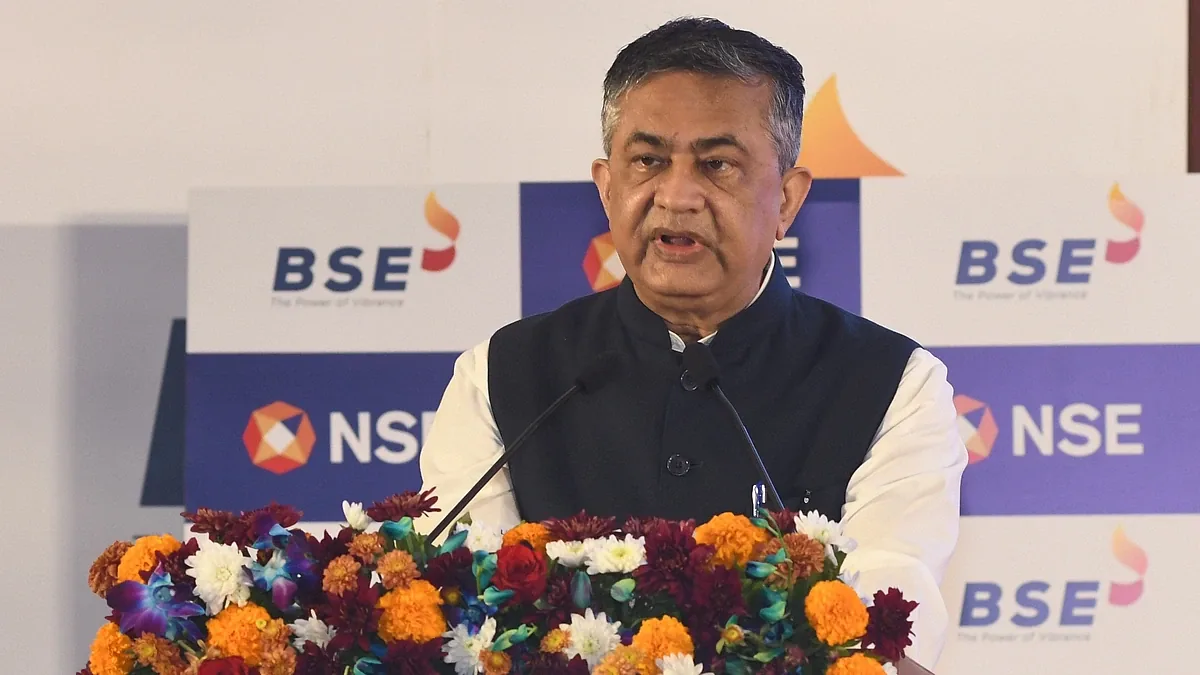 Reference image
Editorial responsibility
- No named human review is recorded for this page.
- Reports are grouped by semantic similarity and deterministic rules. Language models may assist titles, summaries, translation and cross-source analysis; the page reads the event directly, while its address stays stable when the title changes.
- Summary covers the current reports
Cross-source coverage
Reporting timeline
India's NSE Lists on Stock Exchange, Valuation Reaches $46.9 Billion
India's National Stock Exchange (NSE) officially listed on Thursday, ending a decade-long preparation process. The stock closed 1.85% higher on its first day at 1,818 rupees, giving the exchange a valuation of 4.5 trillion rupees (approximately $46.9 billion). The IPO, worth 225.6 billion rupees (about $2.3 billion), was India's second-largest ever, trailing only Hyundai Motor India's 2024 listing. Vipul Bhowar, executive director and head of equity at Mumbai-based Waterfield Advisors, said the listing performed as expected. He noted that investor focus is now on NSE's future growth drivers, as its recent expansion has been fueled by derivatives trading activity, which is now showing signs of slowing.
Read sourceIndia's NSE Lists, Closes Up 1.85%, Valued at $46.9 Billion in Second-Largest Indian IPO
India's National Stock Exchange (NSE) officially listed on Thursday, September 24, ending a decade-long listing process. The stock closed 1.85% higher at 1,818 rupees after rising as much as 5% intraday, giving the exchange a valuation of 4.5 trillion rupees (approximately $46.9 billion). This makes NSE one of the top 10 most valuable listed exchanges globally. The IPO raised 225.6 billion rupees (about $2.3 billion), making it India's second-largest IPO ever, behind only Hyundai Motor India's 2024 listing. Vipul Bhowar, Executive Director and Head of Equities at Mumbai-based Waterfield Advisors, commented that the listing performed as expected. He noted that investors are now focused on NSE's future growth drivers, as its recent expansion has been fueled by increased derivatives trading activity, a segment that is now showing signs of slowing momentum.
Read sourceIndia's NSE Lists, Closes Up 1.85%, Valued at $46.9 Billion in Second-Largest IPO
India's National Stock Exchange (NSE) officially listed on Thursday, ending a decade-long preparation process. The stock closed its first day of trading at 1,818 rupees, up 1.85% from its issue price, after rising as much as 5% intraday. The listing valued the exchange at 4.5 trillion rupees (approximately $46.9 billion), making it one of the top 10 most valuable listed exchanges globally. The initial public offering (IPO) raised 225.6 billion rupees (about $2.3 billion), making it India's second-largest IPO ever, behind only Hyundai Motor India's 2024 listing. Vipul Bhowar, Executive Director and Head of Equity at Mumbai-based Waterfield Advisors, commented that the listing performance was in line with expectations. He noted that investor focus now shifts to NSE's future growth drivers, as its recent expansion has been fueled by derivatives trading activity, a segment whose growth has recently slowed.
Read sourceShow 2 older updatesHide older updates
India's National Stock Exchange Lists in $23 Billion IPO After Decade of Regulatory Hurdles
The National Stock Exchange of India (NSE) listed on the Bombay Stock Exchange on September 24, marking India's second-largest IPO with a valuation of approximately $46 billion. The IPO, which opened for subscription from September 17-21, was oversubscribed 5.71 times, raising about $2.3 billion entirely through an offer for sale by existing shareholders. NSE dominates India's cash equity market with over 93% share and is the world's largest derivatives exchange. The listing follows nearly a decade of regulatory delays due to a co-location controversy, with approval from the Securities and Exchange Board of India (SEBI) finally granted in September 2026. NSE's business model relies heavily on transaction fees, which contributed 78.65% of its 2026 fiscal year revenue, with stock options alone accounting for 60%. However, regulatory tightening on derivatives trading since 2024 has impacted volumes, with NSE's operating income falling 3% in fiscal 2026. Analysts at Jefferies noted the listing will bring valuation transparency and governance upgrades, potentially attracting billions in foreign portfolio flows. The IPO completes the listing of India's three major market infrastructure institutions alongside BSE and MCX.
Read sourceIndia's NSE Lists on BSE in $23 Billion IPO, Country's Second-Largest Ever
India's National Stock Exchange (NSE) listed on the Bombay Stock Exchange (BSE) on September 24, after nearly a decade of regulatory hurdles. The IPO, India's second-largest ever, raised about $23 billion at a valuation of roughly $46 billion, though it was a secondary offering with proceeds going to existing shareholders. The IPO was subscribed 5.71 times, below the Indian market average of 39 times, reflecting investor caution over its heavy reliance on derivatives trading amid tightening regulations. NSE dominates India's cash equity market with over 93% share and is the world's largest derivatives exchange. Its revenue model is heavily dependent on transaction fees (78.65% of operating income), primarily from stock options. Analysts from Jefferies and SAMCO Securities offered mixed views: Jefferies highlighted potential for foreign investment inflows and governance upgrades, while SAMCO noted regulatory changes have 'reset but not ended' the business. The listing completes the trio of Indian exchange listings (NSE, BSE, MCX) and provides a direct valuation comparison with BSE. The article also contextualizes the IPO within India's broader capital market growth, noting rising domestic investor participation and a shift from foreign portfolio investors.