Japanese and Korean MLCC makers shift to AI, opening supply chain opportunities for Chinese rivals
Japanese and Korean MLCC manufacturers, led by Murata, are pivoting from low-margin consumer-grade production to AI server and data center applications, creating supply gaps. This structural shift has enabled Chinese mainland suppliers like Microvast Technology and Chaozhou Three-Circle to enter verification processes for Dell, HP, Asus, and Acer. TrendForce reports that while Japanese and Korean firms retain a lead in high-end AI specifications, international OEMs are increasingly adopting Chinese alternatives in general servers, consumer electronics, and low-end automotive markets.
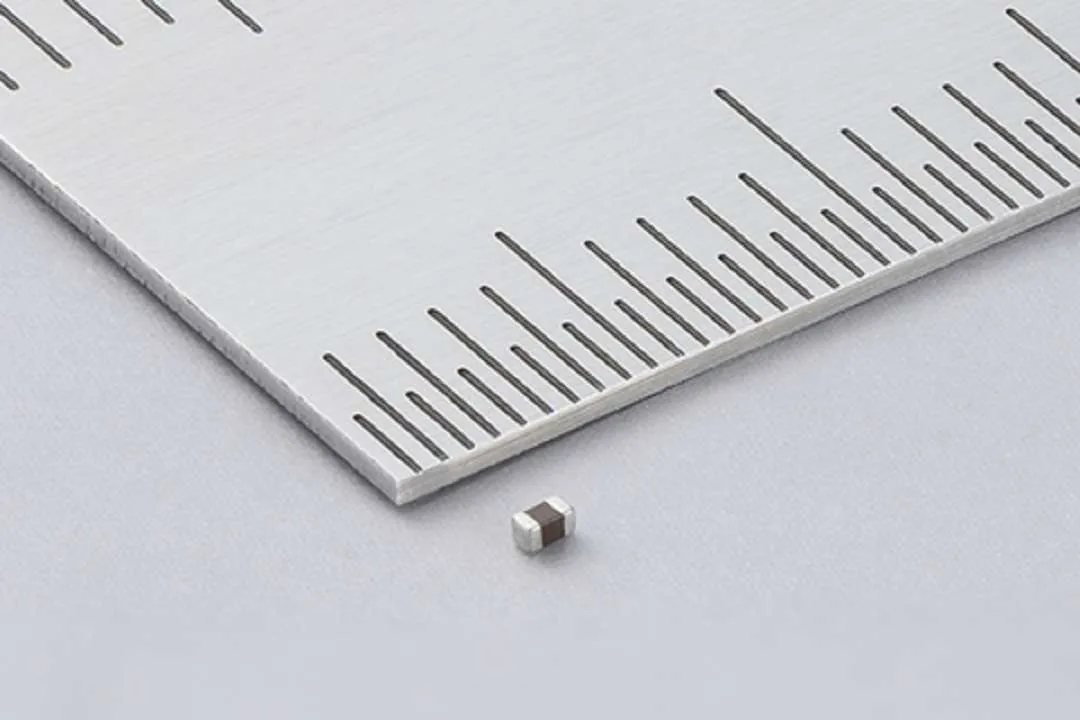 Reference image
Editorial responsibility
- No named human review is recorded for this page.
- Reports are grouped by semantic similarity and deterministic rules. Language models may assist titles, summaries, translation and cross-source analysis; the page reads the event directly, while its address stays stable when the title changes.
- Summary covers the current reports
Cross-source coverage
Reporting timeline
Japanese and Korean MLCC Makers Shift to AI, Opening Opportunities for Chinese Firms
According to a September 24 report from TrendForce, the MLCC industry is undergoing structural reorganization as Japanese and Korean manufacturers, led by Murata, pivot from consumer-grade production to AI server, data center, and automotive applications. Murata issued a discontinuation notice for low-margin consumer MLCCs, with final orders by 2028 and last shipments in 2029. This shift is creating supply gaps and cost pressures that benefit Chinese mainland suppliers. Companies such as Weicheng Technology and Chaozhou Three-Circle have entered verification processes with Dell, HP, Asus, and Acer via ODM firms like Huaqin and Lianbao. While Japanese and Korean firms retain an edge in high-end AI server specifications, TrendForce notes a long-term trend of international OEMs and ODMs adopting Chinese alternatives in general servers, consumer electronics, and low-end automotive markets. Separately, Shenzhen Huaqiang reported rising MLCC demand and extended lead times. Industry investments include Sidike's 1.652 billion yuan BOPET film project and Xinwei Communication's acquisition of a 70% stake in Yiyang Electronic Technology for high-end MLCC manufacturing.
Read sourceTrendForce: Japan, South Korea MLCC Makers Shift from Consumer to AI Supply, Chinese Firms Enter Brand Verification
According to a September 24 report by TrendForce (集邦咨询), the MLCC (Multi-Layer Ceramic Capacitor) industry is undergoing a structural realignment driven by the ongoing AI crowding-out effect. Major Japanese and South Korean manufacturers are adopting a strategy of reducing supply to the consumer electronics sector while increasing supply for AI applications. This strategic shift has created an opportunity for Chinese mainland MLCC manufacturers, which have been accelerating their expansion into international supply chains. These Chinese firms have now successfully entered the MLCC verification processes for major global brands including Dell, HP, ASUS, and Acer. The report highlights how AI demand is reshaping the component supply chain, benefiting Chinese suppliers seeking to break into established Western and Taiwanese computer and electronics brands.
Read sourceTrendForce: Japan, Korea MLCC Makers Shift from Consumer to AI, Boosting Chinese Suppliers
According to a September 24 report by Jin10 citing TrendForce research, the MLCC (Multi-layer Ceramic Capacitor) industry is undergoing structural reorganization due to the persistent 'AI crowding-out effect.' Major Japanese and Korean manufacturers are strategically shifting from reducing supply to consumer electronics to increasing supply for AI applications. This shift is benefiting Chinese mainland MLCC manufacturers, who have been accelerating their expansion into international supply chains. As a result, these Chinese suppliers have successfully entered the verification processes for major brands including Dell, HP, ASUS, and Acer. The report attributes this development to the strategic pivot of Japanese and Korean firms, which has opened opportunities for Chinese competitors in the global market.
Read sourceShow 4 older updatesHide older updates
Japanese, Korean MLCC Makers Shift to AI, Opening Door for Chinese Rivals
According to a TrendForce report published on September 24, the MLCC (multilayer ceramic capacitor) industry is undergoing a structural realignment driven by AI demand. Japanese and Korean manufacturers, including Murata Manufacturing, are reducing production of low-margin consumer-grade MLCCs and reallocating capacity to high-end products for AI servers, data centers, and automotive electronics. Murata issued a notice on September 10 to phase out certain consumer and standard automotive MLCCs by 2029. This shift is creating opportunities for Chinese mainland MLCC makers such as Microgate Technology and Chaozhou Three-Circle, which have entered verification processes with Dell, HP, Asus, and Acer via ODM firms like Huaqin, Lianbao, and Luxshare. TrendForce notes that while Japanese and Korean firms maintain a lead in AI server specifications, Chinese suppliers are increasingly being adopted in general servers, consumer electronics, and low-end automotive markets. Industry players are responding: Sidike announced a 1.652 billion yuan investment in BOPET film production for MLCC applications, and Shenzhen Huaqiang reported rising MLCC demand and extended lead times. Additionally, Zhong Shanshan's conglomerate invested in MLCC-related startup Qingyuan Electronics, and Shenzhen Sunway Communication acquired a majority stake in Yiyang Electronic Technology to strengthen its high-end MLCC capabilities.
Read sourceTrendForce: Japan, Korea MLCC Makers Shift from Consumer to AI, Chinese Firms Enter Brand Verification
According to a September 24 report by TrendForce (集邦咨询), the MLCC (multilayer ceramic capacitor) industry is undergoing structural restructuring due to the ongoing 'AI crowding-out effect.' Japanese and Korean major manufacturers are clearly shifting their strategy toward 'reducing supply for consumer electronics and increasing supply for AI applications.' As a result, Chinese mainland MLCC manufacturers, which have been accelerating their expansion into international supply chains in recent years, are benefiting from this strategic shift. They have successfully entered the verification process for Dell, HP, Asus, and Acer, marking a milestone in their efforts to join first-tier brand supply chains.
Read sourceTrendForce: Japan, South Korea MLCC Makers Shift from Consumer to AI, China Firms Enter Brand Verification
On September 24, TrendForce released its latest research indicating that the AI crowding-out effect is intensifying, driving a structural reorganization of the MLCC (multilayer ceramic capacitor) industry. According to the report, major Japanese and South Korean manufacturers are clearly pivoting to a strategy of 'reducing consumer supply and increasing AI application supply.' This shift is benefiting Chinese mainland manufacturers, who have been accelerating their expansion into international supply chains. TrendForce states that these Chinese firms have successfully entered the MLCC verification processes for Dell, HP, Asus, and Acer, among other brands.
Read sourceJapanese and Korean MLCC Makers Shift from Consumer to AI, Opening Opportunities for Chinese Firms
According to a September 24 report from TrendForce, the MLCC (Multi-layer Ceramic Capacitor) industry is undergoing structural reorganization due to the 'AI crowding-out effect.' Major Japanese and Korean manufacturers, including Murata, are reducing supply of low-margin consumer-grade components and reallocating capacity to AI server and data center applications. This strategic shift is creating opportunities for Chinese mainland MLCC producers, who are increasingly being validated by international OEMs and ODMs such as Dell, HP, Asus, Acer, Quanta, and Pegatron. TrendForce notes that while Japanese and Korean firms maintain a lead in high-end AI server specifications due to superior yield and capacity, Chinese suppliers like Microvast Technology and Chaozhou Three-Circle are gaining traction in general-purpose servers, consumer electronics, and low-end automotive markets. The report also mentions recent investment moves, including a shareholder change at Kunshan Qingyuan Electronics involving a fund linked to Nongfu Spring founder Zhong Shanshan, and activity by companies such as Shenzhen Huaqiang and Xinwei Communication to seize the opportunity.
Read source