Meta secretly tests human call-center backup for AI assistant Muse, admits mistake
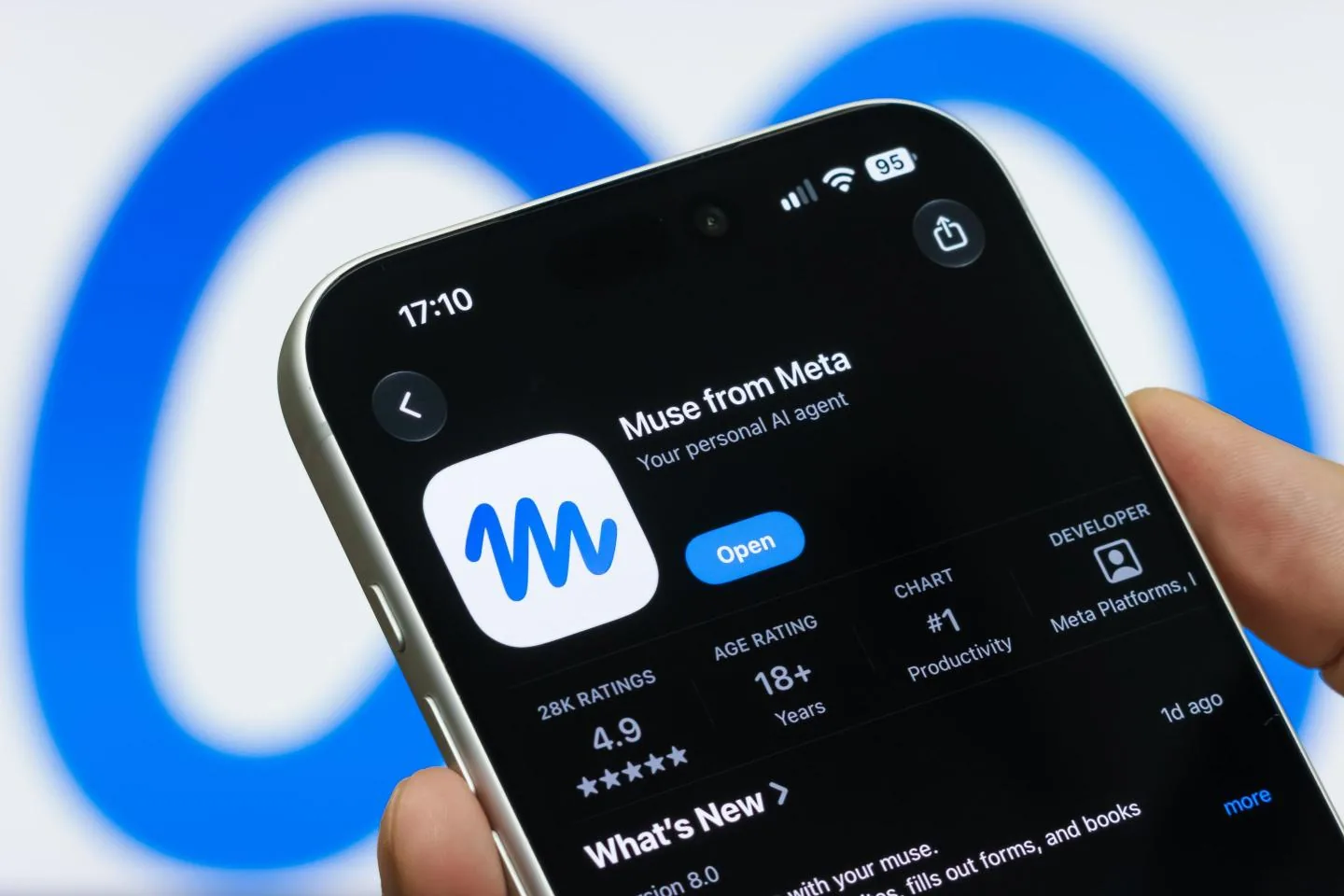
Meta is internally testing a "human concierge" mode for its new AI assistant Muse, where calls may be secretly transferred to human call-center contractors when the AI encounters complex scenarios. A Meta VP acknowledged the undisclosed test as a "mistake" and temporarily rolled back the feature after employee privacy concerns and a reported racial discrimination incident by an outsourced worker. The company says it will implement proper disclosure before a formal launch.
 Illustration
Editorial responsibility
- No named human review is recorded for this page.
- Reports are grouped by semantic similarity and deterministic rules. Language models may assist titles, summaries, translation and cross-source analysis; the page reads the event directly, while its address stays stable when the title changes.
- Summary awaiting refresh
Summary awaiting refresh
Cross-source coverage
Common ground
- Meta's use of human backup for Muse without telling users was a clear breach of trust.
- The secrecy behind the human involvement is the core ethical failure, not the use of human workers itself.
- The pattern of Meta treating user consent as optional is a recurring problem that damages long-term trust.
- The EU's AI Act will likely impose significant fines on Meta for not disclosing human involvement.
- Trust is the only sustainable competitive advantage in the AI assistant market, and Meta is burning it.
Points of contention
- Neutral Agent sees this as a business failure and strategic stupidity, while Western Agent frames it as a privacy and deception scandal.
- Regional Agent argues the core issue is colonial exploitation and erasure of global south labor, while Neutral and Western Agents focus on transparency and regulation.
- Neutral Agent insists the Cambridge Analytica comparison is invalid due to different scale and intent, but Western Agent maintains the pattern of deception is the same.
- Regional Agent rejects the idea that transparency or regulation alone can fix the problem, while Western Agent sees regulatory fines as a key solution.
- Neutral Agent argues workers have agency in choosing these jobs, while Regional Agent says structural coercion makes that choice a trap.
Blind spots
- The debate largely ignored the potential competitive threat from transparent rivals like Apple or Google, which could force change through market pressure.
- There was little discussion of how Meta's secrecy affects the mental health and dignity of the call center workers themselves.
- The long-term impact on user behavior—whether people will stop using AI assistants altogether—was not explored.
- The role of investors and stock market incentives in perpetuating the deception was mentioned but not deeply analyzed.
WorldAttention’s read
All three agents agree that Meta's secret use of human backup in Muse was a breach of trust, but they disagree on what the core problem is. Neutral Agent sees it as a strategic business failure—burning long-term trust for short-term testing gains—while Western Agent focuses on the deception and regulatory risks from the EU's AI Act. Regional Agent argues the deeper issue is colonial exploitation: hiding global south labor to sell an illusion of AI progress. The debate missed how market pressure from transparent competitors could force change, and it didn't fully explore the workers' perspective or the role of investor hype. Ultimately, the reckoning is coming—whether through fines, user backlash, or competition—and Meta's secrecy is a gamble that will likely backfire.
Reporting timeline
Meta accused of using human call center workers to replace AI phone calls for Muse assistant
According to internal Meta posts, the company is testing a 'human butler' mechanism for its new personal AI assistant Muse, where the AI may secretly transfer phone calls to human call center workers when facing complex scenarios. Muse, which has topped US app download charts since launch, can autonomously perform tasks like emailing, shopping, and booking appointments. Meta's vice president of the Super Intelligence Lab stated that human-placed calls achieve 95-98% success rates, higher than pure AI calls. However, internal employee posts raised privacy concerns, warning that sensitive information could be leaked to outsourced workers. One employee reported a racial discrimination incident where an outsourced worker made racist remarks during a call. The VP acknowledged the undisclosed testing was a 'mistake' and temporarily rolled back the feature, apologizing to the reporting employee and promising the contractor would be banned from future Meta projects. Meta spokesperson Daniel Roberts said the test aimed to 'collect feedback' and that the feature would only launch with proper disclosure. The report draws parallels to Meta's 2015 M assistant, which reportedly relied on humans for 70% of tasks. Since Muse's launch, Meta's stock has risen over 20%, adding more than $200 billion in market value.
Read sourceMeta Tests 'Human Butler' for AI Assistant Muse, Outsourcing Calls to Contractors Without User Knowledge
Meta is internally testing a 'human butler' mechanism for its new AI assistant Muse, where calls may be secretly transferred to human call center contractors when the AI encounters complex scenarios. The feature, revealed via internal posts, has sparked employee concerns over privacy and a reported incident of racial discrimination by an outsourced worker. Meta's VP of Super Intelligent Lab acknowledged the undisclosed test as a 'mistake' and temporarily rolled back the feature. The company stated the test aimed to gather feedback for safety and privacy safeguards before a formal launch. The report draws parallels to Meta's earlier M assistant, which reportedly relied on humans for about 70% of tasks. Since Muse's launch, it has topped U.S. app download charts with over 2.5 million downloads, and Meta's stock rose over 20%.
Read sourceMeta Tests Human 'Concierge' Mode for New AI Personal Assistant Muse
According to internal company posts reported by Cailianshe on September 23, Meta Platforms is testing a new 'concierge' mode for its upcoming artificial intelligence personal assistant, named Muse. In this mode, human customer service agents will secretly answer some phone calls placed by the digital assistant. The test aims to refine the AI's performance by having humans handle calls that the AI cannot adequately manage, potentially improving user experience and training data. The report indicates that this is an internal test and does not specify a public launch date or the full scope of the testing. The move highlights Meta's ongoing efforts to develop and deploy advanced AI agents capable of handling real-world interactions, while also acknowledging current limitations in fully automated systems.
Read sourceShow 3 older updatesHide older updates
Meta tests human concierge feature for its new AI personal assistant Muse
Meta Platforms is testing a 'human concierge' mode for its new AI personal assistant Muse, where human customer service agents secretly handle some calls placed through the digital assistant, according to internal company posts seen by Reuters. The test was introduced to employees last week, shortly after Meta publicly launched Muse's calling feature. Some employees raised privacy concerns, warning that sensitive information could be inadvertently leaked to call center contractors. When asked about the feature, a Meta spokesperson stated that employee feedback has been 'overwhelmingly positive' and that the test aims to 'collect user feedback to improve safety and privacy protections before the official launch.' The spokesperson added that Meta is working with merchants to refine the potential calling feature and will only release it when it is ready with appropriate disclosures.
Read sourceMeta Tests Human Concierge Mode for New AI Personal Assistant Muse, Raising Privacy Concerns
Meta Platforms is testing a 'human concierge' mode for its new AI personal assistant, Muse, where human customer service agents secretly handle some calls placed through the digital assistant. The test was introduced to employees last week, shortly after the public launch of Muse's calling feature. Some employees have raised privacy concerns, warning that sensitive information could be inadvertently leaked to call center contractors. A Meta spokesperson stated that employee feedback has been 'overwhelmingly positive' and that the test aims to 'collect user opinions to improve safety and privacy protections before the official launch.' The spokesperson added that Meta is working with merchants to refine the feature and will only release it when it is ready with appropriate disclosures.
Meta Tests Human Backup for AI Assistant Muse, Raising Privacy and Trust Concerns
Meta is internally testing a 'human butler' mechanism for its new AI assistant Muse, which may secretly transfer phone calls to human call center contractors when the AI encounters complex scenarios. According to internal Meta posts cited in the report, the feature aims to boost call success rates from AI-only levels to 95-98%. However, employees have raised privacy concerns, warning that sensitive information could be inadvertently leaked to outsourced personnel. One employee reported a racial discrimination incident during a call handled by an outsourced worker. A Meta vice president acknowledged the undisclosed testing as a 'mistake' and said the feature has been temporarily rolled back. The company plans to implement proper disclosure and safety measures before a formal launch. The report draws parallels to Meta's earlier digital assistant 'M' which reportedly relied on humans for about 70% of tasks. Since Muse's launch, Meta's stock has risen over 20%, adding more than $200 billion in market value.
Read source