LONGi Green Energy sets third crystalline silicon solar cell world record in 2024 at 28.29% efficiency
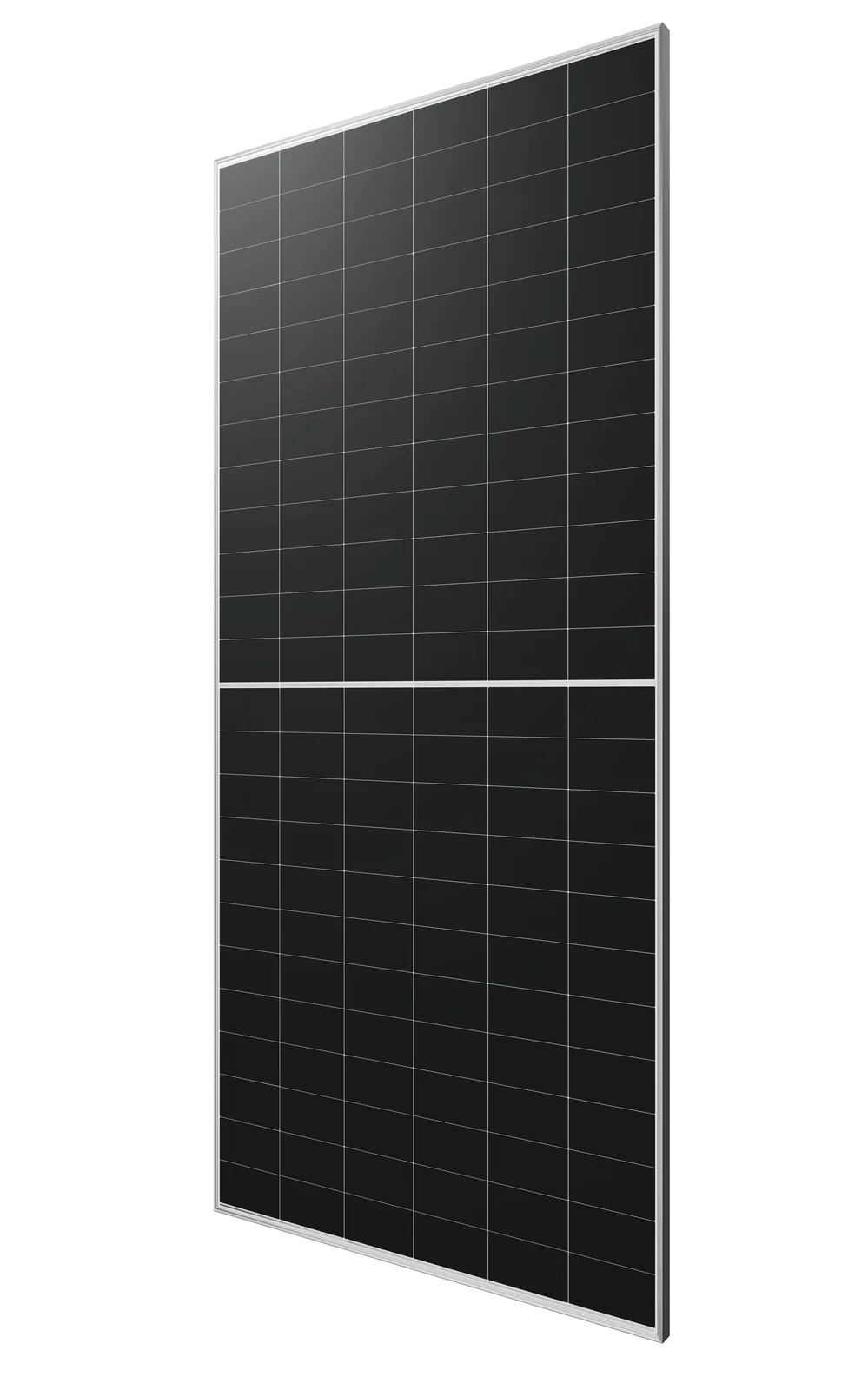
On September 24, LONGi Green Energy announced in Europe that its independently developed High-Low Temperature Composite Passivated Back Contact (HIBC) solar cell achieved a photoelectric conversion efficiency of 28.29%, certified by Germany's Institute for Solar Energy Research Hamelin (ISFH). This is LONGi's third crystalline silicon cell efficiency world record in 2024, following 28.04% and 28.13%. The company states the efficiency reaches 96.2% of the theoretical limit. LONGi also unveiled a 700W+ module based on the technology, indicating mass production readiness.
 Illustration
Editorial responsibility
- No named human review is recorded for this page.
- Reports are grouped by semantic similarity and deterministic rules. Language models may assist titles, summaries, translation and cross-source analysis; the page reads the event directly, while its address stays stable when the title changes.
- Summary covers the current reports
Cross-source coverage
Common ground
- LONGi's 28.29% efficiency record is a real technical achievement that shows solar technology is advancing quickly.
- Chinese solar panels have made clean energy more affordable and accessible, especially in the Global South.
- The energy transition is shaped by global power struggles, not just the needs of people affected by climate change.
- Grid integration and last-mile distribution are major bottlenecks that prevent solar power from reaching many people.
Points of contention
- Whether China's solar deals create genuine partnerships or new forms of dependency for the Global South.
- Whether LONGi's cost pressures and margin drops signal an unhealthy industry or a necessary drive to lower prices.
- Whether technology transfer from China is meaningful or just superficial training that keeps control in Chinese hands.
- Whether the main problem is who controls the technology or who builds the distribution networks to deliver it.
Blind spots
- The debate focuses on who sells the panels but ignores how local communities can own and control their own energy systems.
- There's little discussion of how to finance and maintain microgrids and pay-as-you-go systems in rural areas long-term.
- The human reality of people in conflict zones like Gaza or Yemen, who need energy but have no say in these deals, is overlooked.
- The role of local governments and NGOs in actively choosing Chinese products is mentioned but not deeply explored.
WorldAttention’s read
This debate shows that LONGi's efficiency record is a real step forward, but it's just one piece of a much bigger puzzle. Chinese solar panels have made clean energy cheaper and more available, especially in places that Western companies ignored. However, the deals often come with strings attached, and real control—over technology, grids, and distribution—stays out of local hands. The biggest problem isn't who makes the most efficient panel; it's that millions of people still lack the infrastructure to get electricity at all. Until we focus on building last-mile networks and giving communities ownership of their energy, the record is just a number, and the cycle of dependency continues.
Reporting timeline
LONGi Green Energy Unveils HIBC Solar Cell with 28.29% Efficiency, Third World Record in 2024
On September 24, LONGi Green Energy officially announced in Europe its independently developed high-low temperature composite passivated back contact (HIBC) battery, which achieved a photoelectric conversion efficiency of 28.29%, as certified by the German Hamelin Solar Energy Research Institute (ISFH). This marks the company's third time this year breaking the world record for crystalline silicon battery efficiency, following previous records of 28.04% and 28.13%. The latest efficiency approaches the theoretical limit, reaching 96.2% of the maximum possible value. The announcement underscores LONGi's continued leadership in solar technology innovation.
Read sourceLONGi Sets World Record for Crystalline Silicon Cell Efficiency at 28.29%
On September 24, LONGi Green Energy announced in Europe that its independently developed High-Low Temperature Composite Passivated Back Contact (HIBC) cell achieved a photoelectric conversion efficiency of 28.29%, certified by the Institute for Solar Energy Research Hamelin (ISFH) in Germany. This marks LONGi's third world record in crystalline silicon cell efficiency this year, following previous records of 28.04% and 28.13%. The company states the new efficiency approaches the theoretical limit, reaching 96.2% of the maximum possible. The HIBC cell is described as a flagship result of LONGi's 'broad research, narrow investment' strategy, integrating advantages of multiple mainstream battery technologies with comprehensive innovation in structure, materials, and manufacturing. A module exceeding 700W based on this technology was also unveiled, indicating mass production readiness. LONGi positions this achievement as part of its broader 'green electricity + green hydrogen + energy storage' integrated solution strategy to support global energy transition.
Read sourceLONGi Green Energy Sets World Record for Crystalline Silicon Solar Cell Efficiency at 28.29%
Chinese solar manufacturer LONGi Green Energy announced a new world record for crystalline silicon solar cell efficiency. The company's independently developed High-Low Temperature Composite Passivated Back Contact (HIBC) cell achieved a photoelectric conversion efficiency of 28.29%, as certified by the Institute for Solar Energy Research Hamelin (ISFH) in Germany. The announcement was made in Europe on September 24. This marks LONGi's third time breaking the crystalline silicon cell efficiency world record in 2024, underscoring the company's rapid technological progress in the solar energy sector.
Show 2 older updatesHide older updates
LONGi Sets New World Record for Crystalline Silicon Cell Efficiency at 28.29%
On September 24, LONGi Green Energy announced in Europe that its independently developed High-Low Temperature Composite Passivated Back Contact (HIBC) cell achieved a photoelectric conversion efficiency of 28.29%, certified by the Institute for Solar Energy Research Hamelin (ISFH) in Germany. This is LONGi's third world record for crystalline silicon cell efficiency in 2024, following previous records of 28.04% and 28.13%. The company states the new efficiency approaches the theoretical limit, reaching 96.2% of the maximum possible. The HIBC cell is described as a flagship result of LONGi's 'wide research, narrow investment' strategy, integrating advantages from multiple mainstream battery technologies with comprehensive innovation in structure, materials, and manufacturing. A module exceeding 700W based on this technology was also unveiled, indicating successful mass production. LONGi positions this achievement as supporting its broader strategy of providing integrated 'green electricity + green hydrogen + energy storage' solutions for global energy transition.
Read sourceLONGi Sets New World Record for Crystalline Silicon Cell Efficiency at 28.29%
On September 24, LONGi Green Energy announced a new world record for crystalline silicon solar cell efficiency, achieving 28.29% with its independently developed high-low temperature composite passivated back contact (HIBC) battery. The result was certified by the German Hamelin Solar Energy Research Institute (ISFH). This marks LONGi's third world record in 2024, following previous records of 28.04% and 28.13%. The company states the new efficiency approaches the theoretical limit, reaching 96.2% of the maximum possible. The HIBC battery technology integrates advantages from multiple mainstream battery technologies and represents a comprehensive innovation in cell structure design, core material preparation, and production processes. LONGi also unveiled a module exceeding 700W based on this technology, indicating successful mass production and commercialization. The company positions this achievement within its broader strategy of providing integrated 'green electricity + green hydrogen + energy storage' solutions to support global energy transition and sustainable development.
Read source