Armed group valve closure slashes Libya's Sharara oil output by 69%, NOC resumes flow Sept 26
On September 21, an unidentified armed group closed Valve No. 7 on the Sharara oil field pipeline to Zawiya port, cutting daily output from ~335,000 to 105,000 barrels. The Libyan National Oil Corporation (NOC) reported cumulative losses of 940,000 barrels and $95 million in economic damage. The NOC announced on September 26 that the valve was reopened and crude deliveries resumed, though one Zawiya refinery unit remained suspended and the NOC considered importing crude.
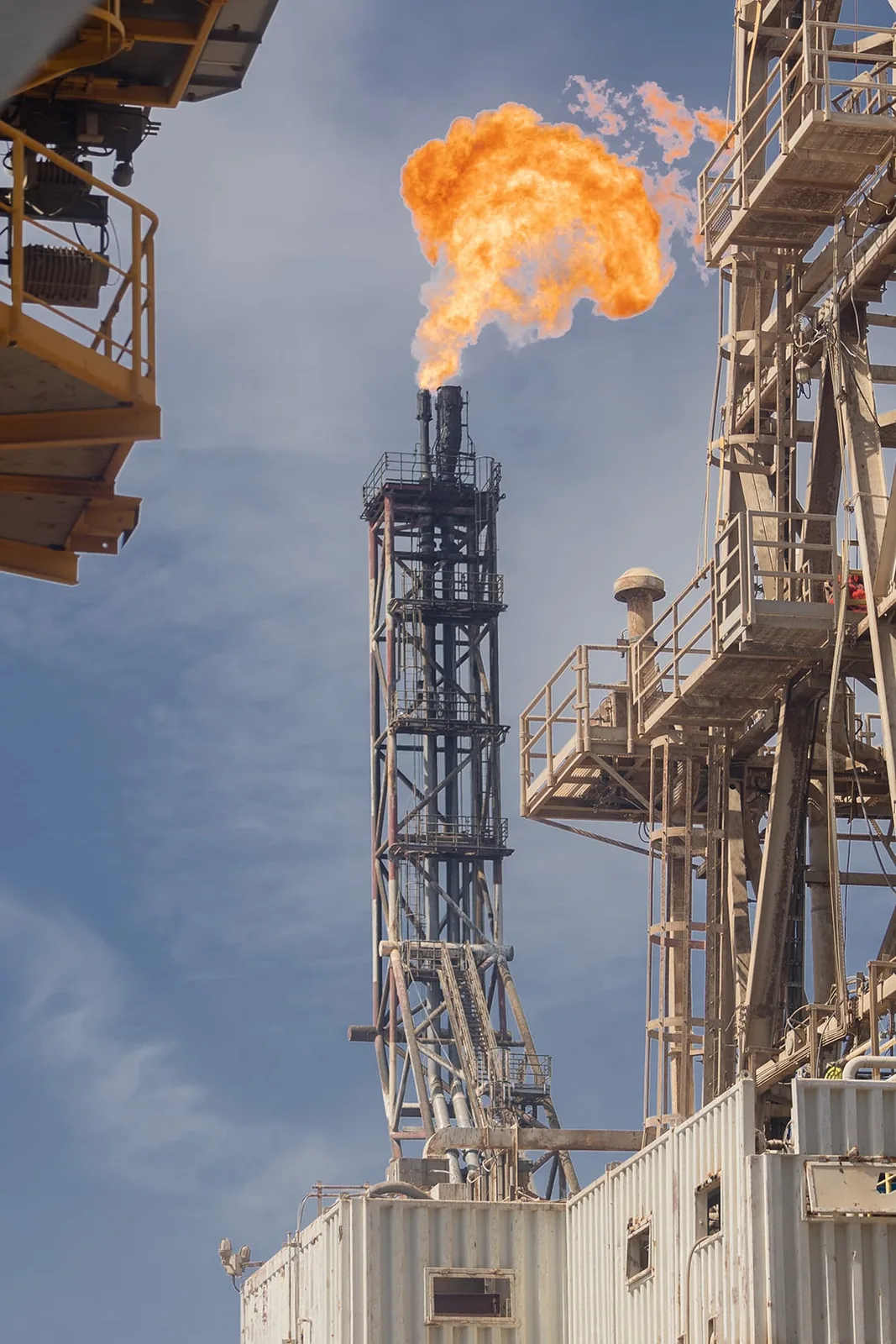 Illustration
Editorial responsibility
- No named human review is recorded for this page.
- Reports are grouped by semantic similarity and deterministic rules. Language models may assist titles, summaries, translation and cross-source analysis; the page reads the event directly, while its address stays stable when the title changes.
- Summary covers the current reports
Cross-source coverage
Common ground
- NATO's 2011 intervention dismantled Libya's state institutions, creating the conditions for armed groups to control oil infrastructure.
- The Sharara field disruption is a predictable, chronic problem that has happened many times before.
- Ordinary Libyans bear the cost of these disruptions through fuel shortages and a drained economy.
- The current system benefits both external powers and local armed groups, leaving regular citizens as the losers.
Points of contention
- The Neutral Agent says the PFG's valve closure is a local shakedown for cash, while the Regional Agent says it's a direct result of a system designed by outsiders.
- The Neutral Agent argues the market's indifference is rational because disruptions are temporary, but the Regional Agent calls that a normalization of Libyan suffering.
- The Regional Agent blames external powers for creating a weak state, while the Neutral Agent insists Libyan actors still have choices and agency within that system.
Blind spots
- Both sides overlook that Libya's oil infrastructure is aging and under-maintained, which would cause production declines even without armed groups.
- The debate ignores that the international community has tried to fix things through UN arms embargoes and ceasefires, but Libyan factions refused to compromise.
- Neither side fully addresses that the PFG's political options are a sham, making extortion the only practical way for them to get paid.
WorldAttention’s read
The core issue is that Libya's oil production is held hostage by armed groups like the Petroleum Facilities Guard, who closed a valve at the Sharara field, cutting output by 69%. This is a domestic governance failure enabled by NATO's 2011 intervention, which dismantled the state and created a system where threatening the pipeline is the fastest way to get paid. The Neutral Agent is right that the PFG's actions are a shakedown, not a liberation struggle, and that local actors have agency. But the Regional Agent is also right that the political channels available to them are broken, designed by outsiders to keep Libya weak and fragmented. The market treats this as a temporary blip because disruptions usually last 2-4 weeks, but that indifference normalizes suffering for Libyans who can't get fuel. The real tragedy is that neither external powers nor local factions have an incentive to fix the system, so the valves will keep closing, deals will keep getting cut, and ordinary Libyans will keep losing.
Reporting timeline
Libya's main oil pipeline resumes crude oil delivery after valve reopening
Libya's National Oil Corporation (NOC) announced on the evening of September 26 that the main oil pipeline connecting the Sharara oil field to the Zawiya refinery and export terminal has resumed crude oil deliveries after its valve was reopened. The valve had been closed on September 21 by armed groups and members of the Petroleum Facilities Guard, causing a shutdown of the Sharara field. The NOC stated it has taken measures to safely restart operations and ensure stable supply to the Zawiya refinery and export terminal. According to NOC data released on September 26, the shutdown resulted in a cumulative production loss of 940,000 barrels of crude oil, with estimated economic losses of approximately $95 million. The report is sourced from CCTV News and published by 财联社.
Read sourceLibya's NOC Suspends Zawiya Refinery Unit After Armed Group Closes Pipeline Valve
On September 26, the Libyan National Oil Corporation (NOC) announced the suspension of one unit at the Zawiya refinery due to an armed group persistently forcing the closure of a valve on the Sharara crude oil pipeline. The NOC stated it is considering importing a batch of crude oil through either the Mellitah or Sidra ports to maintain operations at the Zawiya refinery. This disruption highlights ongoing instability in Libya's oil infrastructure, where armed groups frequently target key facilities, impacting production and refining capacity. The NOC's contingency plan to import crude underscores the severity of the supply interruption and the lengths required to keep the refinery running.
Read sourceArmed Group Closes Key Valve, Libya's Sharara Oil Field Output Drops to 105,000 bpd
An unidentified armed group closed the 7th valve on the Sharara oil field pipeline to the Zawiya port on September 21, causing daily output to plummet from approximately 335,000 barrels to 105,000 barrels, a drop of nearly 69%. The Libyan National Oil Corporation (NOC) warned that if the valve remains closed, production, transport, and exports from the Sharara field could completely halt, and the Zawiya refinery, which processes about 120,000 bpd, may also be forced to shut down due to a lack of feedstock, increasing domestic fuel import needs and costs. Technical teams cannot access the area to reopen the valve. The NOC has requested the Petroleum Facilities Guard to intervene but with no result so far. The pipeline has experienced multiple disruptions this year, including a leak and fire in March. The NOC stated that if the shutdown continues, it may declare force majeure on crude supply contracts.
Read sourceShow 2 older updatesHide older updates
Libya's Largest Oil Field Sharara Hit by Sudden Output Drop After Pipeline Valve Closed by Armed Group
An armed group closed a valve on the Sharara crude pipeline to the Zawiya port, causing a sharp production drop at Libya's largest oil field, according to a Monday statement from the Libyan National Oil Corporation (NOC). The disruption comes just as global oil prices had fallen sharply, with WTI crude dropping 3.80% to $91.64/barrel and Brent crude falling 2.90% to $100.07/barrel on Monday, following signals of potential diplomatic de-escalation in the Middle East. However, the supply risk re-emerged after a weekend attack on Saudi Arabia's capital Riyadh. The NOC did not specify the exact production loss but confirmed a "significant decline." This incident follows a similar valve closure last Tuesday by security forces at the Hamada-Zawiya pipeline, which halted output from the Hamada and Tahara fields. The Petroleum Facilities Guard had threatened further shutdowns if administrative and financial demands were not met. The article notes that Libya's oil production is chronically vulnerable to political and security disruptions, and the key question now is whether the Sharara valve can be reopened and other affected fields restored, as the NOC has not provided a timeline for recovery.
Read sourceLibya's Largest Oil Field Sharara Hit by Sudden Production Cut After Pipeline Valve Closed
Libya's National Oil Company confirmed on Monday that an armed group closed the 7th valve on the Sharara crude pipeline to the Zawiya port, causing a sharp drop in output at the country's largest oil field. The disruption comes just as global oil prices had fallen sharply, with WTI crude dropping 3.80% to $91.64/barrel and Brent crude falling 2.90% to $100.07/barrel on Monday, following signals from Middle Eastern parties that diplomatic de-escalation might be possible. Earlier in the Asian trading session, Brent had risen to $104.68 and WTI to $101.06 after a missile and drone attack on Saudi Arabia's capital Riyadh over the weekend. The Sharara pipeline incident follows a similar valve closure last Tuesday by security forces protecting oil facilities, which shut down the Hamada and Tahara fields and a pumping station. The Petroleum Facilities Guard had threatened further shutdowns if administrative and financial demands were not met. The National Oil Company has confirmed the production cut but has not provided a timeline for restoration, highlighting the persistent vulnerability of Libya's oil supply to political and security disruptions.
Read source