Yen nears 160 per dollar, reigniting Japanese intervention risk after two-week decline
The Japanese yen has fallen for two consecutive weeks, approaching the 160 per US dollar threshold. As Japan resumes trading after a holiday, strategists view the level as a key test of Tokyo's tolerance for yen weakness following the Bank of Japan's September 18 rate hike. Commonwealth Bank of Australia strategist Carol Kong warned that a rapid breach of 160 would significantly increase the likelihood of official intervention, especially given recent reports of yen rate checks by Japanese authorities.
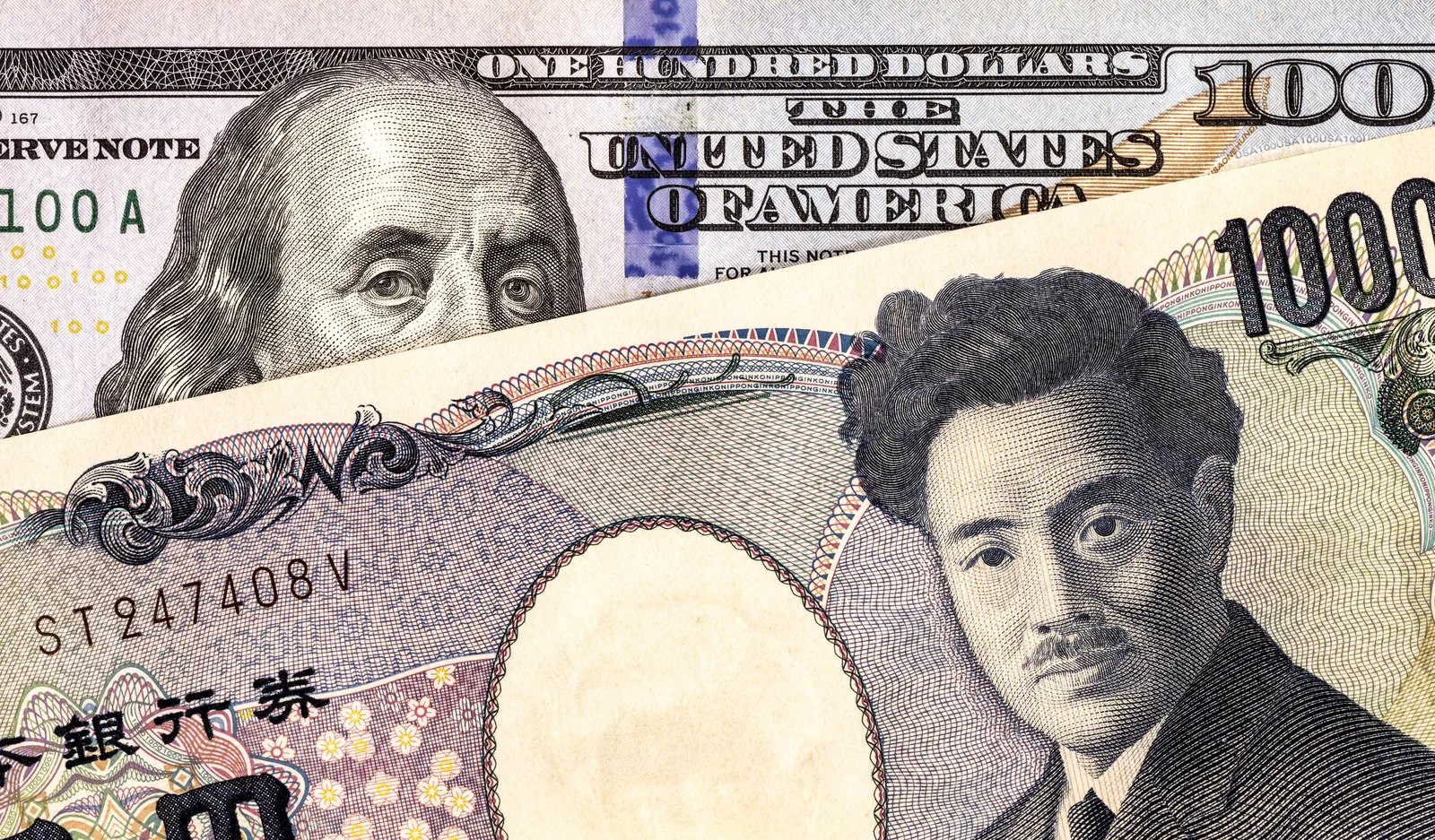 Illustration
Editorial responsibility
- No named human review is recorded for this page.
- Reports are grouped by semantic similarity and deterministic rules. Language models may assist titles, summaries, translation and cross-source analysis; the page reads the event directly, while its address stays stable when the title changes.
- Summary covers the current reports
Cross-source coverage
Common ground
- The Federal Reserve's hawkish monetary policy is the main external force driving the yen's weakness, and Japanese households are feeling real pain from higher import costs.
- Japan's political establishment has long prioritized export-sector interests over household welfare, which is a legitimate domestic critique.
- Japan is both a victim of global financial imbalances and an accomplice that benefits from the current system as a major creditor nation.
Points of contention
- Regional Agent argues Japan is a victim of 'financial colonialism' with no real choices, while Neutral Agent insists Japan has genuine agency and makes calculated policy decisions.
- Regional Agent sees the weak yen as a regressive tax on households, while Neutral Agent highlights benefits for exporters, tourism, and small businesses in the supply chain.
- Neutral Agent claims Japan could use tools like capital controls or selling US Treasuries but chooses not to, while Regional Agent says those options are traps that would cause more harm.
Blind spots
- Both sides overlook the possibility of coordinated international action, like Japan working with other central banks to counter US dollar dominance.
- The debate doesn't fully explore how Japan's demographic decline and deflationary psychology limit the effectiveness of any currency policy, regardless of external factors.
- Neither participant addresses the long-term environmental or social costs of prioritizing export-led growth over domestic household welfare.
WorldAttention’s read
The yen's slide toward 160 is driven by the Fed's hawkish stance, which forces Japan into tough trade-offs. Regional Agent rightly highlights the structural power imbalance and household pain, while Neutral Agent correctly points out Japan's agency and political choices. The real issue is that Japan's policymakers have chosen export-led growth over household welfare for decades, and the global system lets the US set the rules. No sovereign nation should have to choose between currency stability and living standards because of decisions made in Washington, but Japan also has tools it refuses to use. The path forward requires both reforming global financial imbalances and Japan making harder domestic choices to protect its people.
Reporting timeline
Yen Falls for Second Week, Nears 160 Level, Raising Intervention Risk
The Japanese yen has fallen for two consecutive weeks, approaching the psychologically important 160 level against the US dollar, reigniting the risk of foreign exchange intervention by Japanese authorities. As Japan returns from a holiday, strategists are closely watching the 160 threshold as a test of Tokyo's tolerance for yen depreciation. The yen's weakness has persisted since the Bank of Japan's September 18 policy meeting, despite the central bank's accelerated tightening cycle, which revealed internal dissent among committee members. Meanwhile, the US appears to be moving toward a more hawkish policy path. Carol Kong, a currency strategist at Commonwealth Bank of Australia, stated that if US yields continue to rise and markets keep testing Japan's resolve to defend the yen, USD/JPY could soon break above 160. She added that a rapid breach of that level would substantially increase the likelihood of official intervention, especially given recent reports of yen rate checks by Japanese authorities and the precedent of coordinated intervention.
Read sourceYen Nears 160 Per Dollar Threshold, Raising Intervention Risk Again
The Japanese yen is approaching the closely watched 160 per US dollar level, reigniting the risk of official intervention by Japanese authorities. After a two-week decline, the yen traded around 157.85 on Thursday morning in Tokyo, a slight 0.3% gain that did little to reverse the previous four days of losses. Strategists note that the yen has weakened steadily since the Bank of Japan's policy meeting on September 18, despite the central bank accelerating its tightening cycle. Internal divisions within the BOJ and a more hawkish trajectory from the Federal Reserve are contributing to the pressure. Carol Kong, a currency strategist at Commonwealth Bank of Australia, stated that the dollar-yen pair could soon break above 160 if US Treasury yields continue to rise and markets keep testing Japan's resolve to defend its currency. She added that a rapid breach of that level would significantly increase the likelihood of official intervention, especially given recent reports of Japanese officials inquiring about exchange rates and the precedent of joint intervention.
Read sourceYen Intervention Risk Resurfaces as Dollar-Yen Nears 160 After Holiday
According to a report from TradeAlpha on September 24, yen intervention risk has returned to the forefront as Japanese markets reopen after a holiday. The dollar-yen exchange rate is approaching the closely watched 160 level following two weeks of yen depreciation. Strategists view the 160 threshold as a key test of Japan's tolerance for yen weakness, especially after the Bank of Japan's September rate hike failed to stem the decline. Carol Kong, a foreign exchange strategist at Commonwealth Bank of Australia (CBA), stated that if US Treasury yields continue to rise and markets keep testing Japan's resolve to defend the yen, dollar-yen could soon break above 160. She added that a rapid breach of this level would significantly increase the likelihood of official intervention, particularly given recent reports of the Bank of Japan conducting 'rate checks.'
Read sourceShow 2 older updatesHide older updates
Yen's Decline Reignites Intervention Risk as Dollar-Yen Nears 160 Threshold
According to market reports, yen intervention risk has returned to the spotlight as Japan resumes trading after a holiday. The dollar-yen pair is approaching the closely watched 160 level after two weeks of yen depreciation. Strategists view the 160 threshold as a key test of Japan's tolerance for yen weakness following the Bank of Japan's September rate hike. Carol Kong, a foreign exchange strategist at Commonwealth Bank of Australia, stated that if US Treasury yields continue to rise and markets keep testing Japan's resolve to defend the yen, dollar-yen could soon break above 160. She added that a rapid breach of this level would significantly increase the likelihood of official action, especially given recent reports of the Bank of Japan conducting 'rate checks'.
Yen's Decline Reignites Intervention Risk as Dollar-Yen Nears 160
According to a report by Jin10 citing foreign media, as Japan returns from a holiday, the risk of yen intervention has again become a market focus. After two consecutive weeks of yen depreciation, the dollar-yen exchange rate is approaching the closely watched 160 level. Strategists view the 160 threshold as a key test of Japan's tolerance for yen weakness following the Bank of Japan's September rate hike. Carol Kong, a foreign exchange strategist at Commonwealth Bank of Australia (CBA), stated that if US Treasury yields continue to rise and the market continues to test Japan's resolve to defend the yen, the dollar-yen could soon break above 160. She added that if the exchange rate rapidly breaches this level, the likelihood of official action would increase significantly, especially given recent reports of the Bank of Japan conducting 'rate checks.'
Read source