Japan’s sovereign bond yields surge across maturities, hitting multi-decade highs
On September 25, yields on Japanese government bonds rose sharply across all maturities, with the 2-year yield reaching 1.920% (highest since April 1995), the 5-year hitting a record 2.400%, the 10-year rising to 3.115%, the 20-year reaching 3.955% (highest since May 1996), the 30-year climbing to 4.210% (highest since its 1999 listing), and the 40-year rising to 4.255%. The moves reflect ongoing market expectations of Bank of Japan monetary policy normalization.
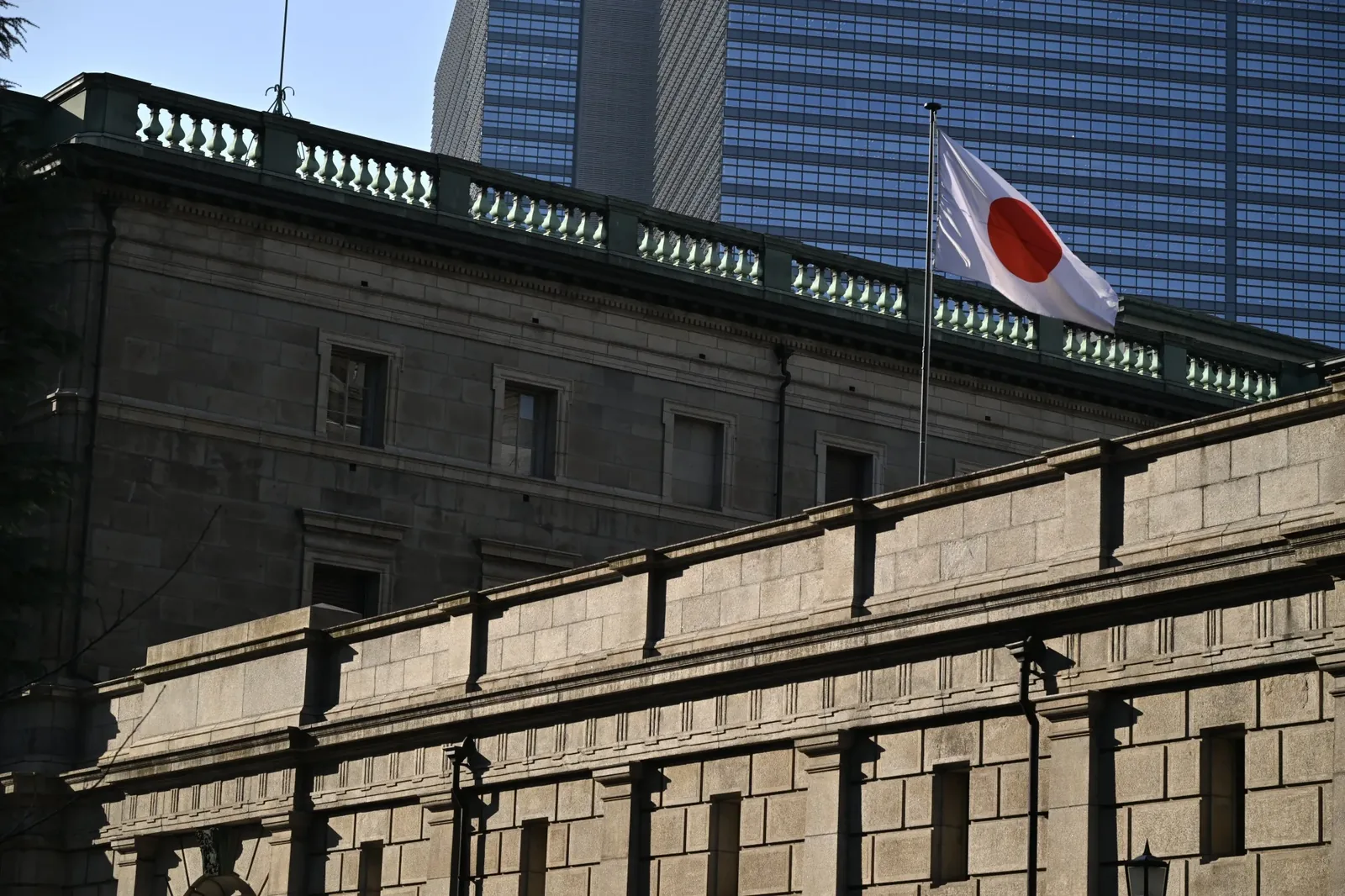 Reference image
Editorial responsibility
- No named human review is recorded for this page.
- Reports are grouped by semantic similarity and deterministic rules. Language models may assist titles, summaries, translation and cross-source analysis; the page reads the event directly, while its address stays stable when the title changes.
- Summary covers the current reports
Cross-source coverage
Common ground
- Japan's bond yield spike across all maturities signals a major shift, not a routine market blip.
- The Bank of Japan's massive balance sheet, at 130% of GDP and owning over half the JGB market, creates a structural trap that limits policy options.
- Ordinary Japanese citizens, like elderly savers with near-zero deposit rates, are hurt by rising yields and potential tax hikes, not helped.
- External factors, including US monetary policy and the Plaza Accord legacy, constrained Japan's economic choices over decades.
Points of contention
- Whether Japan's crisis is mainly a balance sheet trap (Neutral) or a sovereignty crisis from US dominance (Eastern and Regional).
- Whether China's model offers a better path—Eastern says yes, citing policy autonomy; Neutral and Regional say no, pointing to deflation and hidden debt.
- Whether Japan's stagnation was homegrown policy failure (Neutral) or imposed by colonial-style US pressure (Regional).
- Whether rising bond yields benefit Japanese households through higher savings returns (Neutral) or hurt them via government austerity (Eastern and Regional).
Blind spots
- All sides underplay how Japan's political class failed to reform domestically, regardless of external pressures.
- The human cost for ordinary Japanese people—like stagnant wages and social service cuts—is often treated as secondary to technical or geopolitical arguments.
- China's own property crisis and deflationary risks are acknowledged but not fully integrated into the sovereignty narrative.
- The debate lacks a clear plan for how Japan could exit its balance sheet trap without triggering a fiscal or social crisis.
WorldAttention’s read
Japan's bond market turmoil is a slow-motion collision between monetary normalization and fiscal reality, driven by the BOJ's unprecedented balance sheet and the end of yield curve control. While external US pressure and colonial history shaped Japan's constraints, domestic political failures—like protecting zombie banks and avoiding reforms—were equally decisive. The yield spike reveals a structural trap: the BOJ can't exit without breaking the bond market, and ordinary Japanese citizens bear the cost through regressive taxes and stagnant savings. China's model offers no easy answer, as its own hidden debts and deflation show. Ultimately, this crisis is a warning for any economy that relied on cheap money, but the real story is a political system unable to serve its people.
Reporting timeline
Japan's 30-Year Government Bond Yield Rises to 4.21%, Highest Since 1999 Listing
Japan's 30-year government bond yield has climbed to 4.21%, marking its highest level since the bond was first listed in 1999. The data, reported by tradealpha, reflects a significant move in the long-end of Japan's yield curve. This increase comes amid ongoing speculation about the Bank of Japan's monetary policy normalization path, including potential further interest rate hikes. The yield level surpasses previous peaks seen during periods of global bond selloffs and domestic inflation pressures. Market participants are closely watching the BOJ's next policy steps, as rising long-term yields could impact the government's debt servicing costs and the profitability of Japanese financial institutions holding large bond portfolios. The move also signals shifting investor expectations regarding Japan's economic outlook and inflation trajectory.
Read sourceJapan 30-Year Government Bond Yield Rises 5 Basis Points to 4.210%
According to a report from Cailianshe (cls) on September 25, the yield on Japan's 30-year government bond rose by 5 basis points, reaching 4.210%. This movement reflects a shift in the long-term Japanese government bond market, indicating changing investor sentiment or expectations regarding Japan's long-term interest rate environment. The report provides a straightforward market data update without additional context or analysis.
Read sourceJapan 30-Year Government Bond Yield Rises 5 Basis Points to 4.210%
According to data from Jin10, the yield on Japan's 30-year government bond increased by 5 basis points, reaching 4.210%. This movement reflects a shift in the long-term interest rate for Japanese government debt, which is a key benchmark for the country's bond market. The report does not provide additional context or attribution for the cause of the yield increase.
Read sourceShow 15 older updatesHide older updates
Japan's 20-Year Government Bond Yield Rises to 3.955%, Highest Since May 1996
Japan's 20-year government bond yield rose by 4.0 basis points to reach 3.955%, according to a report from tradealpha. This level marks the highest yield for the maturity since May 1996. The increase reflects ongoing movements in the Japanese government bond market, which has been under pressure as the Bank of Japan adjusts its monetary policy stance. The yield rise indicates a continued repricing of long-term Japanese debt, driven by expectations of further policy normalization and potential interest rate hikes. The 3.955% level is a significant milestone, surpassing multi-decade highs and signaling a shift in the country's bond market dynamics after years of ultra-low or negative yields.
Read sourceJapan 20-Year Bond Yield Hits 3.955%, Highest Since May 1996
According to a report from Chinese financial news outlet Cailianshe on September 25, the yield on Japan's 20-year government bonds rose by 4.0 basis points to reach 3.955%. This level marks the highest yield for the 20-year Japanese government bond since May 1996. The increase reflects ongoing movements in Japan's long-term government debt market, which is closely watched by global investors for signals about the country's monetary policy trajectory and economic outlook.
Read sourceJapan 20-Year Bond Yield Rises to 3.955%, Highest Since May 1996
The yield on Japan's 20-year government bond rose by 4.0 basis points to reach 3.955%, according to data from financial information provider Jin10. This level marks the highest point for the 20-year maturity since May 1996, reflecting a significant move in Japan's long-term bond market. The increase comes amid ongoing global bond market volatility and speculation about potential shifts in the Bank of Japan's monetary policy stance, though the report does not attribute the move to any specific event or statement. The yield level is a key indicator for long-term borrowing costs in Japan and is closely watched by investors for signals on the country's economic outlook and interest rate trajectory.
Read sourceJapan 2-Year Government Bond Yield Rises to 1.920%, Highest Since April 1995
On September 25, Japan's 2-year government bond yield rose to 1.920%, marking its highest level since April 1995, according to a report from National Business Daily via Tencent Stock. The increase reflects ongoing shifts in Japanese bond markets, potentially driven by expectations of monetary policy adjustments by the Bank of Japan. The yield level is a key indicator of short-term interest rate expectations and market sentiment toward Japan's economic outlook. No further analysis or forecasts were provided in the brief report.
Read sourceJapan's 2-Year Government Bond Yield Rises to 1.920%, Highest Since April 1995
Japan's 2-year government bond yield has risen to 1.920%, marking its highest level since April 1995, according to a report from tradealpha. This increase reflects a significant shift in Japan's bond market, as the yield surpasses levels not seen in nearly three decades. The data point is a key indicator of short-term interest rate expectations and monetary policy outlook in Japan. No further context or analysis was provided in the source item.
Read sourceJapan's 2-Year Government Bond Yield Rises to 1.920%, Highest Since April 1995
According to a report from Cailianshe on September 25, Japan's 2-year government bond yield rose to 1.920%, marking its highest level since April 1995. This significant increase in short-term Japanese government debt yields reflects ongoing shifts in the country's bond market, likely driven by expectations of monetary policy normalization by the Bank of Japan. The yield level, last seen nearly three decades ago, indicates a major change in Japan's interest rate environment as the central bank gradually moves away from its long-standing ultra-loose monetary policy. The data point is a key indicator for investors monitoring Japan's economic trajectory and global bond market dynamics.
Read sourceJapan 2-Year Bond Yield Hits 1.920%, Highest Since April 1995
Japan's 2-year government bond yield rose to 1.920%, marking its highest level since April 1995, according to data from Jin10. This increase reflects a significant shift in short-term Japanese government debt yields, reaching a level not seen in nearly three decades. The move comes amid ongoing adjustments in the Bank of Japan's monetary policy stance and changing expectations for interest rates in the world's third-largest economy. The yield level is a key indicator of market sentiment regarding Japan's short-term borrowing costs and economic outlook.
Read sourceJapan 40-Year Government Bond Yield Rises 5.5 Basis Points to 4.255%
According to data from financial news source Jin10, the yield on Japan's 40-year government bond increased by 5.5 basis points, reaching 4.255%. This movement reflects a shift in the long-end of Japan's sovereign debt market, indicating changing investor sentiment or expectations regarding long-term interest rates and economic conditions in Japan. The report provides a straightforward update on the bond market without additional context or analysis.
Read sourceJapan 10-Year Government Bond Yield Rises 4.0 Basis Points to 3.115%
On September 25, the yield on the 10-year Japanese government bond increased by 4.0 basis points, reaching 3.115%. This movement reflects a change in the benchmark long-term borrowing cost for the Japanese government, as reported by financial news outlet CLS. The rise in yield indicates a decrease in bond prices, often driven by market expectations regarding monetary policy, inflation, or economic growth. No further context or attribution was provided in the brief report.
Read sourceJapan 10-Year Government Bond Yield Rises 4 Basis Points to 3.115%
According to data from Jin10, the yield on Japan's 10-year government bond rose by 4 basis points, reaching 3.115%. This movement reflects a change in the benchmark long-term borrowing cost for the Japanese government, which is closely watched by financial markets as an indicator of investor sentiment and expectations for monetary policy and economic conditions in Japan. The report provides a straightforward update on the bond market without additional context or analysis.
Read sourceJapan's 40-Year Government Bond Yield Rises 5.5 Basis Points to 4.255%
On September 25, Japan's 40-year government bond yield increased by 5.5 basis points, reaching 4.255%, according to a report from Cailianshe (cls). This movement reflects ongoing dynamics in the Japanese bond market, where long-term yields have been under pressure amid shifting expectations for the Bank of Japan's monetary policy normalization. The rise in the 40-year yield, the longest-dated government bond, indicates investor sentiment regarding Japan's long-term interest rate outlook and potential adjustments to the central bank's yield curve control framework. The report provides a single data point without additional context or attribution to specific market drivers.
Read sourceJapan's 5-Year Government Bond Yield Rises to 2.4%, Setting a New Record High
Japan's 5-year government bond yield has risen to 2.4%, marking a new all-time high, according to a report from tradealpha. This increase reflects ongoing upward pressure on Japanese interest rates, likely driven by market expectations of further policy normalization by the Bank of Japan. The yield level surpasses previous records, indicating a significant shift in Japan's bond market dynamics as the central bank continues to adjust its monetary policy stance. No specific forecasts or attributed opinions were provided in the brief report.
Read sourceJapan's 5-Year Government Bond Yield Rises to 2.4%, Setting New Record High
Japan's 5-year government bond yield has risen to 2.4%, marking a new all-time high, according to financial data provider Jin10. The increase reflects ongoing pressure in the Japanese bond market, likely driven by expectations of further monetary policy normalization by the Bank of Japan. The yield has been climbing as global interest rates rise and the BOJ gradually moves away from its ultra-loose monetary stance. This record level signals growing investor concerns about inflation and the cost of government borrowing in Japan. The move is significant for global bond markets as Japanese yields have been a key anchor for global interest rates for years. Analysts will be watching for further BOJ policy signals and the impact on Japan's heavily indebted government finances.
Japan 5-Year Bond Yield Hits Record High of 2.400% After 2.5 Bps Rise
On September 25, Japan's 5-year government bond yield rose by 2.5 basis points to reach 2.400%, setting a new all-time high. This move reflects ongoing pressure in the Japanese government bond market, driven by expectations of further monetary policy normalization by the Bank of Japan. The yield increase marks a significant milestone as it surpasses previous records, indicating shifting investor sentiment amid global interest rate trends and domestic economic conditions. The report from financial news outlet Cailianshe highlights the continued upward trajectory of Japanese yields as the central bank gradually adjusts its ultra-loose monetary stance.
Read sourceJapan 5-Year Government Bond Yield Rises 2.5 Basis Points to 2.400%
According to a report from financial data provider Jin10, the yield on Japan's 5-year government bond increased by 2.5 basis points, reaching 2.400%. This movement reflects a change in the bond market for Japanese government debt, indicating a shift in investor sentiment or expectations regarding interest rates and monetary policy. The report provides a straightforward update on the yield level without offering additional context or analysis on the causes or implications of the rise.