Houthis claim missile strike on Riyadh airport; Saudi-led coalition intercepts three missiles, three killed
Yemen's Houthi movement claimed ballistic missile and drone attacks on Saudi Arabia, saying it struck King Khalid International Airport in Riyadh and Khamis Mushait Air Base. The Saudi-led coalition said it intercepted three ballistic missiles; Saudi authorities reported three Saudi nationals killed and a civilian aircraft damaged at Riyadh airport. Explosions were heard in the capital, and diplomats and schools took safety measures. Houthi spokesman Yahya Saree warned airlines and oil workers away from Saudi airports and oil facilities, calling all Saudi airports except Mecca and Medina unsafe.
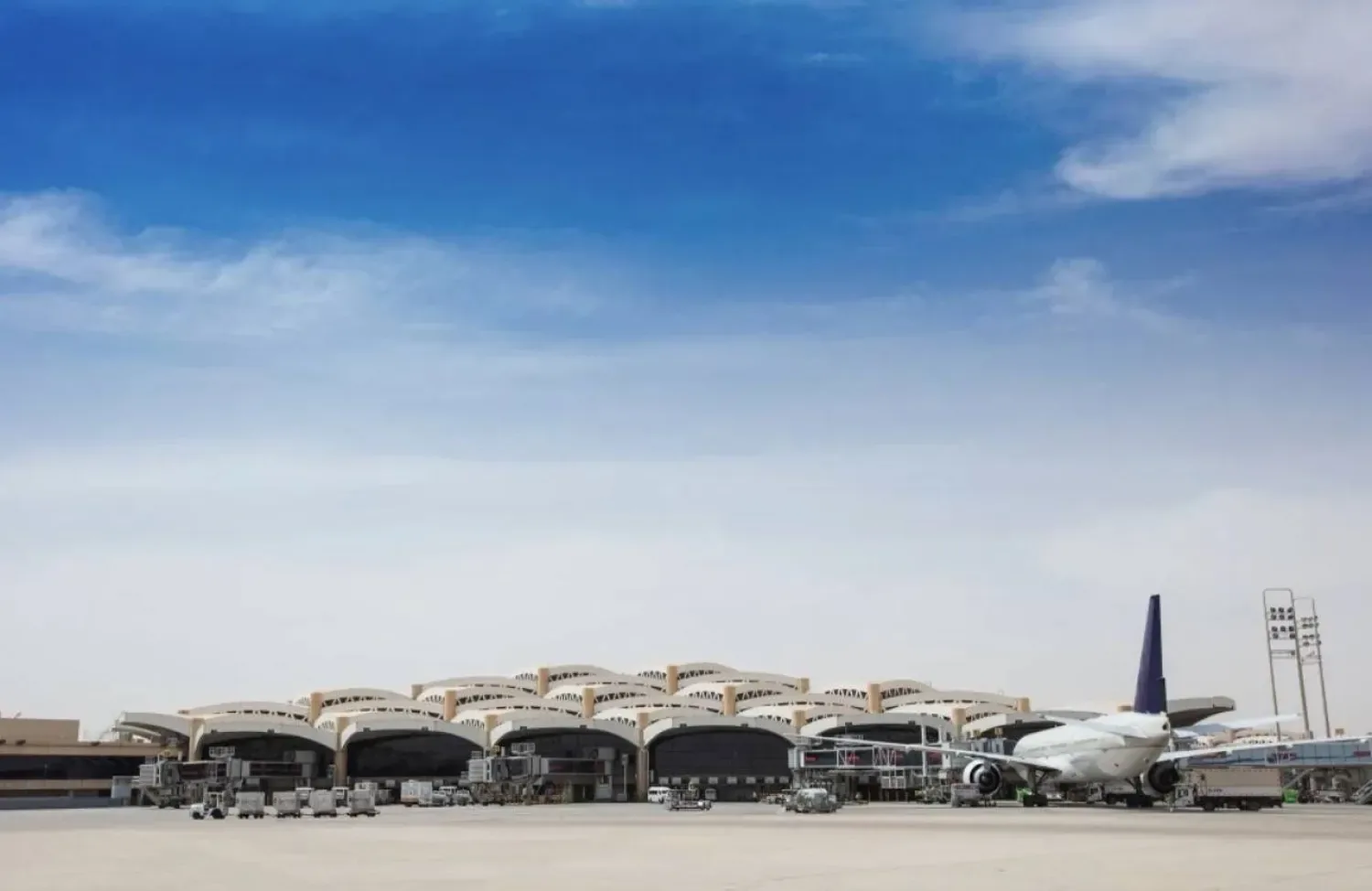 Reference image
Editorial responsibility
- No named human review is recorded for this page.
- Reports are grouped by semantic similarity and deterministic rules. Language models may assist titles, summaries, translation and cross-source analysis; the page reads the event directly, while its address stays stable when the title changes.
- Summary covers the current reports
Cross-source coverage
Common ground
- Both sides have strong incentives to spin the story, so neither the Saudi nor the Houthi account can be trusted on its own.
- There is no independent verification of what actually happened at the airport — not the damage, not the casualties, not even whether the missiles were intercepted.
- The flow of Western weapons to Saudi Arabia is a real and important part of this war.
- The way news outlets report this — treating Saudi statements as fact and Houthi statements as mere claims — shows a real bias in coverage.
- The Houthis have become a serious military force with missiles and drones, not just a ragtag group.
Points of contention
- Whether Saudi Arabia could end the war by simply stopping its bombing, or whether the Houthis and the blockade would keep it going regardless.
- Whether pointing out that only one side (Riyadh) can be pressured by cutting arms is neutral analysis or a disguised policy preference.
- Whether demanding independent verification of the strike is honest skepticism or a way to freeze the debate and protect the status quo.
- Whether the Houthis' own abuses — diverting aid, taxing convoys, recruiting child soldiers — should weigh as heavily as Saudi actions.
- Whether the casualty figures often cited for Yemen are reliable enough to build moral arguments on.
Blind spots
- Nobody named a single independently verified fact about the airport strike during the entire debate.
- The role of Iran's support to the Houthis was mentioned but never seriously weighed against the scale of Western arms to Saudi Arabia.
- The question of what a realistic negotiated settlement would actually look like — and who would sit at the table — was never addressed.
- The debate focused on two main outside actors (Washington and London) but ignored other regional players like the UAE, Oman, or the UN.
- No one asked what the Yemeni civilian population actually wants, beyond being described as victims.
WorldAttention’s read
This debate exposed a hard truth: we are arguing about the meaning of an event that none of us can confirm happened the way either side says. The Saudi-led coalition and the Houthis both have reasons to lie, and the news coverage often treats one side's claims as fact while dismissing the other's. What we do know is that a real arms pipeline runs from Western capitals to Riyadh, that a blockade is causing widespread suffering in Yemen, and that the Houthis have grown into a capable military force. The sharpest disagreement was whether pointing at the arms pipeline is neutral analysis or a policy preference — and whether demanding verification is honest or just a way to avoid condemning anything. The honest conclusion is uncomfortable: anyone who claims to know exactly what happened at that airport is selling something. But not knowing the details of one strike does not erase the documented structure of the war — who armed it, who blockaded it, and who has the power to change course.
Reporting timeline
Houthis Say They Hit Riyadh Airport and Saudi Air Base
Yemen's Houthi movement said on the 12th that it fired a ballistic missile at King Khalid International Airport in Riyadh, Saudi Arabia, and used drones to attack an air base in southwestern Saudi Arabia. Houthi spokesman Yahya Saree said in a social media statement that the missile fired that evening at Riyadh's King Khalid International Airport hit its target, and that drones also hit King Khalid Air Base in Khamis Mushait. Saree again warned international airlines, aviation workers and passengers not to use Saudi airports and airspace, saying all Saudi airports except those in Mecca and Medina are "unsafe." Recently, the Houthis have repeatedly attacked airports and oil facilities in Saudi Arabia. The Saudi-led multinational coalition said it is conducting large-scale military operations against Houthi personnel and military capabilities, working to dismantle their ballistic missile network and providing round-the-clock air support to Yemeni government forces.
Read sourceHouthis Claim Missile and Drone Attacks on Saudi Airport and Air Base
Yemen's Houthi movement said on October 12 that it launched a ballistic missile at King Khalid International Airport in Riyadh, Saudi Arabia, and a drone at Khamis Mushait Air Base, claiming both strikes hit their targets. Houthi military spokesman Yahya Saree also renewed warnings to global airlines, experts, workers and travelers not to fly to airports inside Saudi Arabia, saying they are unsafe, with the exception of airports and airspace in Mecca and Medina. The claims could not be independently verified from the source item. The statement marks another Houthi assertion of cross-border attacks on Saudi infrastructure and aviation targets.
Read sourceSaudi-led coalition intercepts three Houthi ballistic missiles, three killed in Riyadh
The Saudi-led coalition reported intercepting three ballistic missiles launched by Yemen's Houthi movement. The attacks targeted Riyadh, including the city's international airport, where three Saudi nationals were killed and a civilian aircraft was damaged, according to Saudi authorities and sources cited by Reuters. The Houthis have escalated their attacks, leading to explosions heard in the Saudi capital. The incident is part of the ongoing conflict in Yemen, with the Houthis frequently launching missiles and drones at Saudi Arabia. The coalition's interception efforts prevented further casualties, but the attack marks a significant escalation in the conflict.
Read sourceShow 2 older updatesHide older updates
Yemen's Houthis Claim Second Ballistic Missile Strike on Riyadh Airport, Warn Saudi Oil Workers
On the 8th, Yemen's Houthi group claimed to have launched a ballistic missile for the second time that day targeting King Khalid International Airport in the Saudi capital Riyadh. The group's military spokesman, Yahya Saree, stated on social media that the missile was fired at noon, successfully hit its target, causing damage to facilities and disrupting air traffic. Saree also issued a warning to personnel in Saudi Arabia's oil industry, urging experts, engineers, and other employees to stay away from oil facilities and surrounding areas that the Houthis have designated as potential military targets. The report is attributed to Xinhua News Agency.
Houthis Claim Missile Strike on Riyadh as Explosions Heard in Saudi Capital
Yemen's Houthi movement claimed responsibility for a missile strike targeting Riyadh, the capital of Saudi Arabia, with explosions reported in the city. Multiple news outlets, including Euronews, Reuters, and Bloomberg, reported the incident. The Houthis stated they attacked Riyadh's airport with a ballistic missile. According to Al Jazeera and Bloomberg, the attacks on two Saudi airports, including one in Riyadh, killed three people. In response, diplomats and schools in Saudi Arabia have taken safety measures following the blasts, according to sources cited by AFP via Yahoo. The reports indicate a significant escalation in the conflict, with the Houthis directly targeting the Saudi capital's airport infrastructure, resulting in casualties and prompting heightened security protocols.
Read source