Hong Kong IPO boom spurs reforms as Middle East funds replace declining US capital
Hong Kong's IPO market is booming, with 109 companies raising HK$366 billion year-to-date and over 500 firms in the queue. The Securities and Futures Commission plans to streamline prospectus disclosures and potentially ease Chapter 18C listing rules for hard-tech firms. UBS Securities' Chen Ge notes a structural capital shift: US fund participation has dropped from over 50% to 20-30%, while Middle Eastern and European long-term funds, including Qatar's sovereign fund, are increasing. A shortage of qualified sponsors due to a regulatory cap of five active projects per sponsor has led to talent poaching and some banks stepping back from lead roles.
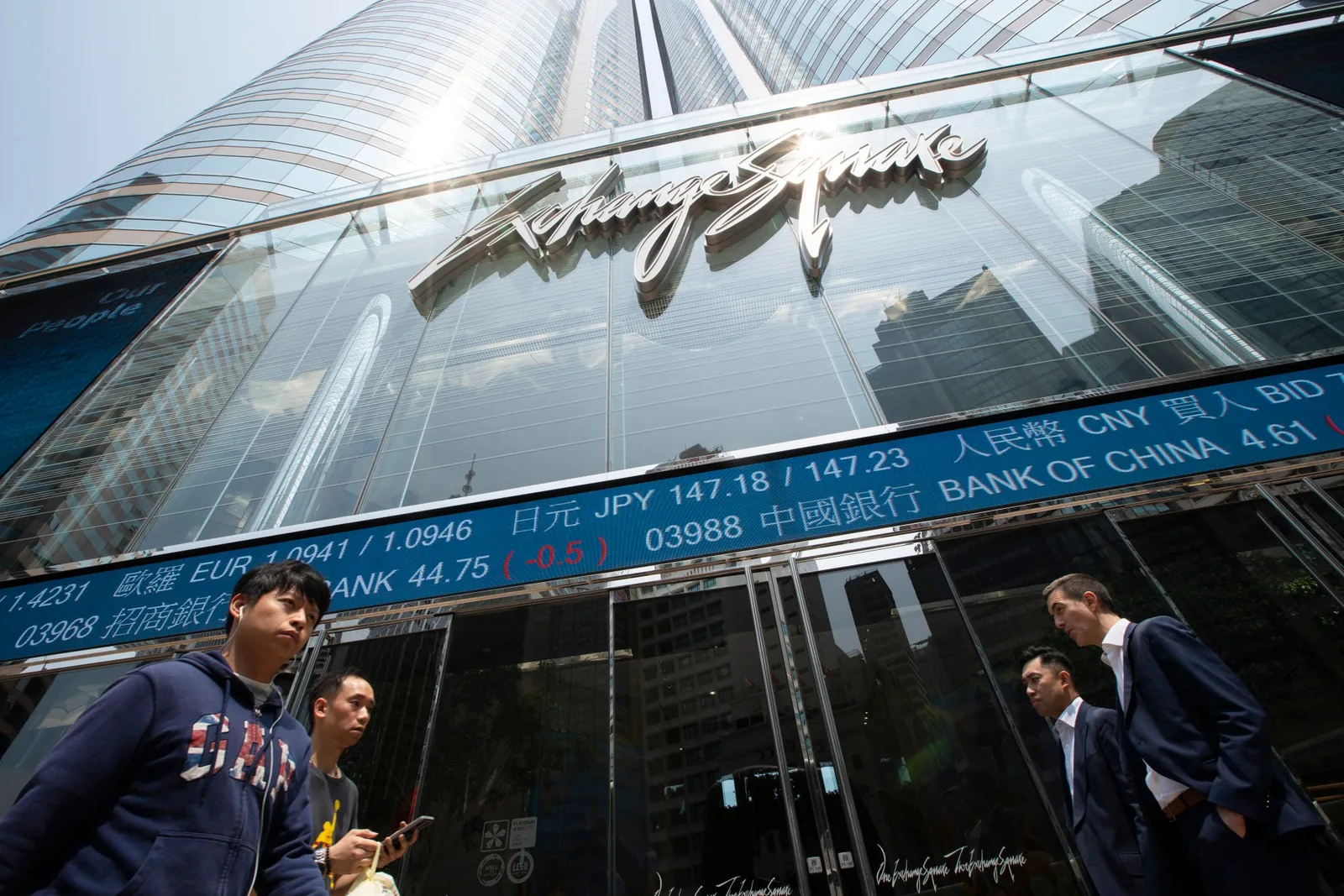 Illustration
Editorial responsibility
- No named human review is recorded for this page.
- Reports are grouped by semantic similarity and deterministic rules. Language models may assist titles, summaries, translation and cross-source analysis; the page reads the event directly, while its address stays stable when the title changes.
- Summary covers the current reports
Cross-source coverage
Common ground
- Hong Kong's IPO market is undergoing a major shift, with U.S. capital dropping from over 50% to 20-30% and Middle Eastern funds stepping in as key investors.
- The rise of Middle Eastern sovereign wealth funds in Hong Kong IPOs signals a real move toward a multipolar global financial system.
- Chinese hard-tech sectors like AI and semiconductors are attracting long-term, patient capital from global investors.
- Hong Kong's regulatory reforms, like stricter sponsor requirements, aim to prioritize quality over quantity in listings.
Points of contention
- The Eastern Agent argues the capital shift is driven by performance and innovation, while the Regional Agent says it's more about geopolitics and strategic control.
- The Eastern Agent sees sovereign wealth funds as fundamentally different from Western asset managers due to their national development goals, but the Regional Agent views both as extractive systems that exploit labor.
- The Regional Agent criticizes the human cost—like poor labor conditions and inequality—while the Eastern Agent insists China's model has lifted millions out of poverty and created high-wage jobs.
- The Eastern Agent believes Hong Kong's reforms protect retail investors and build a sustainable market, but the Regional Agent calls them gatekeeping that favors elites.
Blind spots
- Both agents focus heavily on capital flows and institutional investors, but rarely discuss the impact on small retail investors or local communities in Hong Kong.
- The debate overlooks how environmental costs, like the ecological damage from megaprojects like NEOM, factor into this new financial order.
- Neither side fully addresses the role of labor rights and worker protections in the multipolar system, especially for migrant workers in the Gulf and supply chain laborers in China.
WorldAttention’s read
This debate shows that Hong Kong's IPO boom is part of a bigger shift toward a multipolar financial world, where Middle Eastern and Asian capital is replacing Western dominance. Both agents agree this realignment is real, but they clash over whether it's a genuine improvement or just a new form of exploitation. The Eastern Agent highlights performance, innovation, and national development as key drivers, while the Regional Agent stresses that labor conditions and inequality remain unchanged, no matter who controls the capital. The blind spots include the lack of focus on retail investors, environmental harm, and worker rights. Ultimately, the multipolar world offers opportunities for countries once sidelined by Western finance, but it doesn't automatically fix the deeper power imbalances between capital and labor.
Reporting timeline
Hong Kong IPO Boom Spurs Major Reforms; Middle East Funds Surge, Says UBS
Hong Kong's IPO market is experiencing a boom, with 109 companies raising HK$366 billion year-to-date and over 500 firms queuing. The Hong Kong Securities and Futures Commission is planning reforms, including streamlining prospectus disclosures and potentially lowering listing thresholds for hard-tech firms under Chapter 18C. UBS Securities' Chen Ge, co-head of global investment banking, notes that hard-tech IPOs are attracting strong foreign interest. The capital structure is shifting, with US fund participation dropping from over 50% to 20-30%, while Middle Eastern and European long-term funds are increasing. Middle Eastern sovereign funds, such as Qatar's, are now participating as cornerstone investors. Chen Ge expects the hard-tech and AI supply chain IPO trend to continue, driven by sustained demand and global capital availability. He also highlights the growing trend of A+H dual listings, particularly among AI and semiconductor firms, and notes that while most H-shares trade at a discount to A-shares, a few globally competitive firms see H-share premiums.
Read sourceHong Kong IPO Boom Spurs Major Reforms; UBS Sees Hard Tech Surge and Middle East Capital Inflows
Hong Kong's IPO market is experiencing a boom, with over 500 companies queuing for listings, prompting regulatory reforms. The Hong Kong Securities and Futures Commission plans to streamline prospectus requirements and consult on market changes in early 2026. UBS Securities' Chen Ge, a global investment banking co-head, notes that hard tech IPOs are attracting foreign capital, with Middle Eastern and European long-term funds replacing declining U.S. capital. He highlights that U.S. fund participation has dropped from over 50% to 20-30%, but is recovering. The trend of A-share companies pursuing dual listings in Hong Kong is rising, especially in AI and semiconductors. Chen Ge expects hard tech and AI to remain IPO supply drivers, with global capital flowing to quality projects. Regulatory tightening has led to a shortage of qualified sponsors, with a cap of five active IPO projects per sponsor. The article also discusses potential further easing of Chapter 18C listing rules for specialty tech firms.
Read sourceHK IPO boom spurs reforms; UBS sees hard-tech wave continuing, Middle East capital rising
Hong Kong's IPO market is experiencing a surge, with over 500 companies queuing for listings and the city planning major listing rule reforms. The Hong Kong Securities and Futures Commission will consult on streamlining prospectus requirements in early 2026, following the release of the city's first five-year plan supporting listings by mainland and overseas industry leaders. UBS Securities global investment banking co-head Chen Ge, in an interview with Times Weekly, said the hard-tech IPO wave will persist, driven by AI and semiconductor demand. He noted a structural shift in capital sources: U.S. funds have fallen from over 50% to 20-30% of IPO and placement participation, while Middle Eastern and European long-term funds are accelerating inflows, with sovereign funds like Qatar's entering as cornerstone investors for the first time. Chen Ge also observed a trend of A-share companies pursuing dual listings in Hong Kong for global expansion, and said that while most H-shares trade at a discount to A-shares, a few globally competitive firms now see H-share premiums. He cautioned that the market can absorb large hard-tech IPOs as long as the projects are high quality.
Read sourceShow 2 older updatesHide older updates
Hong Kong IPO Boom Spurs Major Reforms; Middle East Funds Flock to Hard-Tech Listings
Hong Kong's IPO market is experiencing a surge, with 109 companies raising HK$366 billion year-to-date and over 500 firms in the pipeline. The Hong Kong Securities and Futures Commission (SFC) is planning major listing reforms, including streamlining prospectus disclosures and potentially lowering the 18C chapter threshold for pre-revenue tech companies, as outlined in the city's first five-year plan. UBS Securities' Chen Ge, co-head of global investment banking, notes that hard-tech IPOs are attracting strong foreign interest, with Middle Eastern and European long-term funds replacing declining U.S. capital. He observes that A-share companies increasingly pursue dual A+H listings for global expansion, and that while most H-shares trade at a discount to A-shares, a few globally competitive firms see H-share premiums. Chen Ge expects the hard-tech IPO trend to continue, driven by AI and semiconductor demand, and believes quality projects will attract global capital regardless of size. The SFC has also tightened sponsor responsibilities, limiting each signing sponsor to five active IPO projects, leading to talent shortages and competition among banks.
Read sourceHong Kong IPO Market Booms with Major Reforms; Middle East Funds Surge, Says UBS Securities Executive
The Hong Kong IPO market is experiencing a boom, with 109 companies listing in 2025 raising HK$366 billion, and over 500 firms in the pipeline. UBS Securities executive Chen Ge discusses major reforms, including potential easing of Chapter 18C listing rules for hard-tech firms. He notes that US capital's share of IPO and placement funding has fallen to 20-30%, while Middle Eastern and European long-term funds are accelerating inflows. Chen Ge attributes this to geopolitical shifts and a global preference for tech and AI infrastructure assets. He also highlights a shortage of qualified sponsors due to regulatory caps, leading to talent poaching and some banks stepping back from lead roles. The trend of A-share companies seeking dual listings in Hong Kong is growing, especially in AI and semiconductors. Chen Ge asserts that as long as projects are high-quality, global capital will continue to participate, alleviating liquidity concerns.
Read source