HKEX proposes shorter spin-off lock-up as Hong Kong sees listing wave
On September 21, HKEX published a consultation paper proposing to shorten the restriction period for parent companies to submit spin-off listing applications from three years to one year after their own listing. This comes amid a new wave of spin-off listings in Hong Kong, with companies including Hisense Group, Genscript Biotech, Xinyi Glass, and Fosun International announcing spin-off plans using IPO fundraising, in-specie distribution, and hybrid models. Experts said spin-offs are becoming a normalized capital tool but cautioned they are not a universal solution.
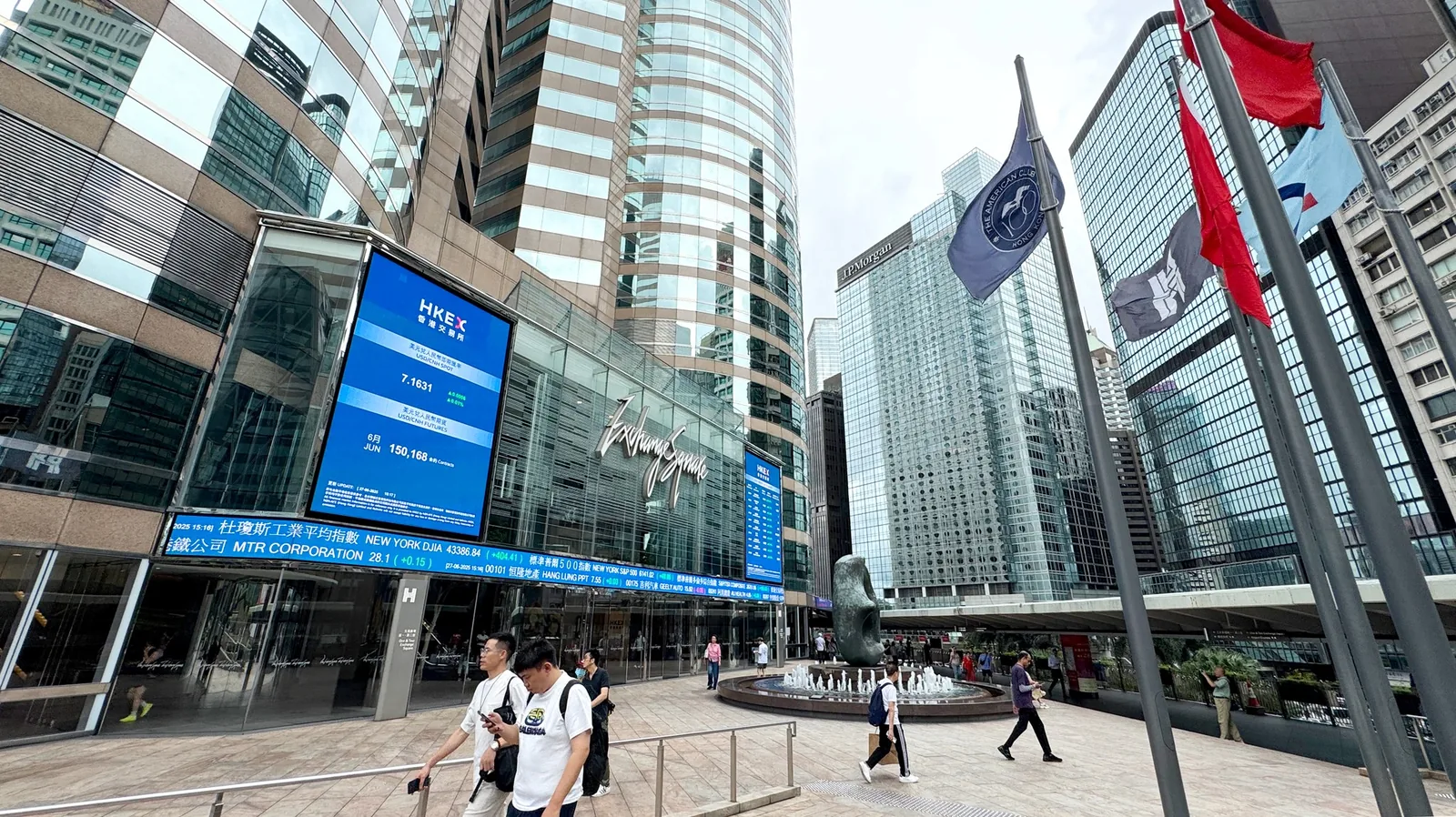 Reference image
Editorial responsibility
- No named human review is recorded for this page.
- Reports are grouped by semantic similarity and deterministic rules. Language models may assist titles, summaries, translation and cross-source analysis; the page reads the event directly, while its address stays stable when the title changes.
- Summary covers the current reports
Cross-source coverage
Reporting timeline
Hong Kong Stocks See New Wave of Spin-Off Listings as HKEX Proposes Rule Change
Hong Kong's stock market is experiencing a new wave of spin-off listings, with major companies such as Haier Group, Genscript Biotech, Xinyi Glass, and Fosun International announcing spin-off plans. The Hong Kong Stock Exchange (HKEX) published a consultation paper on September 21 proposing to shorten the restriction period for parent companies from submitting spin-off listing applications from three years to one year after their own listing. The spin-off methods include IPO fundraising, in-specie distribution, and hybrid models. Multiple interviewed experts stated that spin-offs are becoming a normal capital tool for companies to reorganize assets and unlock value, but cautioned that they are not a universal solution and that companies must carefully choose their spin-off plans to balance capital operations with business operations. The report was originally published by Securities Times and summarized by Cailianshe.
Read sourceHong Kong Stock Exchange Proposes Shorter Spin-Off Rule as New Wave of Listings Emerges
On September 21, the Hong Kong Stock Exchange (HKEX) published a consultation paper proposing to shorten the restriction period for parent companies to submit spin-off listing applications from three years to one year after their own listing. This reform comes amid a new wave of spin-off listings in Hong Kong, with companies such as Hisense Group, Genscript Biotech, Xinyi Glass, and Fosun International announcing spin-off plans. The operational paths include IPO fundraising, in-specie distribution, and hybrid models. Several interviewed experts stated that spin-offs are becoming a normal capital tool for companies to reorganize assets and unlock value, but cautioned that they are not a universal solution and that companies must carefully choose their spin-off plans and balance capital operations with business operations.
Read sourceHKEX Proposes Shortening Spin-Off Listing Lock-Up Period as Hong Kong Sees New Wave of Spin-Offs
On September 21, Hong Kong Exchanges and Clearing Limited (HKEX) published a consultation paper proposing to shorten the lock-up period for parent companies seeking to spin off subsidiaries for listing from three years to one year. The proposal comes amid a new wave of spin-off listing activity in Hong Kong, with companies including Hisense Group, Genscript Biotech (HK1548), Xinyi Glass (HK0868), and Fosun International (HK0656) announcing spin-off plans. These plans utilize various structures such as IPO fundraising, in-specie distribution, and hybrid models. Multiple experts interviewed for the article stated that spin-offs are becoming a normalized capital tool for companies to restructure assets and unlock value, but cautioned that they are not a universal solution and that companies must carefully choose their spin-off approach while balancing capital market operations with core business management.
Read sourceShow 2 older updatesHide older updates
Hong Kong Stock Exchange Spin-off Wave Surges as Rule Changes Unlock Asset Revaluation
A wave of spin-off listings is sweeping Hong Kong's stock market, driven by a proposed HKEX rule change to shorten the post-IPO spin-off restriction from three years to one year. Major companies including Hisense, Genscript Biotech, Xinyi Glass, and Fosun International have announced spin-off plans using various models: IPO fundraising, in-specie distribution, and hybrid approaches. Experts attribute the trend to three factors: resolving valuation discounts for conglomerates, broadening financing channels for high-growth units, and clear HKEX listing rules. Three main spin-off models are identified: IPO fundraising (strongest capital raising but dilutes parent equity), in-specie distribution with introduction listing (no dilution but no fundraising), and hybrid models balancing both. Analysts caution that spin-offs are not a panacea; companies must assess business independence, valuation potential, and parent company quality post-spin-off. Market reactions have been mixed, with Genscript shares falling 13% on its spin-off announcement. The article emphasizes that spin-offs merely repackage assets for market revaluation and do not create value independently.
Hong Kong Stocks See New Wave of Spin-Off Listings as HKEX Proposes Shorter Restriction Period
On September 21, Hong Kong Exchanges and Clearing Limited (HKEX) published a consultation paper proposing to shorten the restriction period for parent companies to submit spin-off listing applications from three years to one year after their own listing. This comes amid a new wave of spin-off listings in Hong Kong, with companies such as Hisense Group, Genscript Biotech, Xinyi Glass, and Fosun International announcing spin-off plans. The operational paths include IPO fundraising, in-specie distribution, and hybrid models. Multiple interviewed experts stated that spin-off listings are becoming a normalized capital tool for companies to reorganize assets and unlock value, but they cautioned that it is not a universal solution and that companies must carefully choose spin-off plans and balance capital operations with real business operations.
Read source