HKEX proposes major overhaul of transaction, spin-off rules for listed firms
On September 21, the Hong Kong Stock Exchange (HKEX) published a second-phase consultation paper proposing systemic changes to continuing listing rules for notifiable transactions, connected transactions, and spin-offs. Key proposals include raising the major transaction shareholder approval threshold from 25% to 50%, increasing the connected person subsidiary equity threshold from 10% to 30%, and shortening the spin-off moratorium from three years to one year. The consultation runs until November 30, 2026.
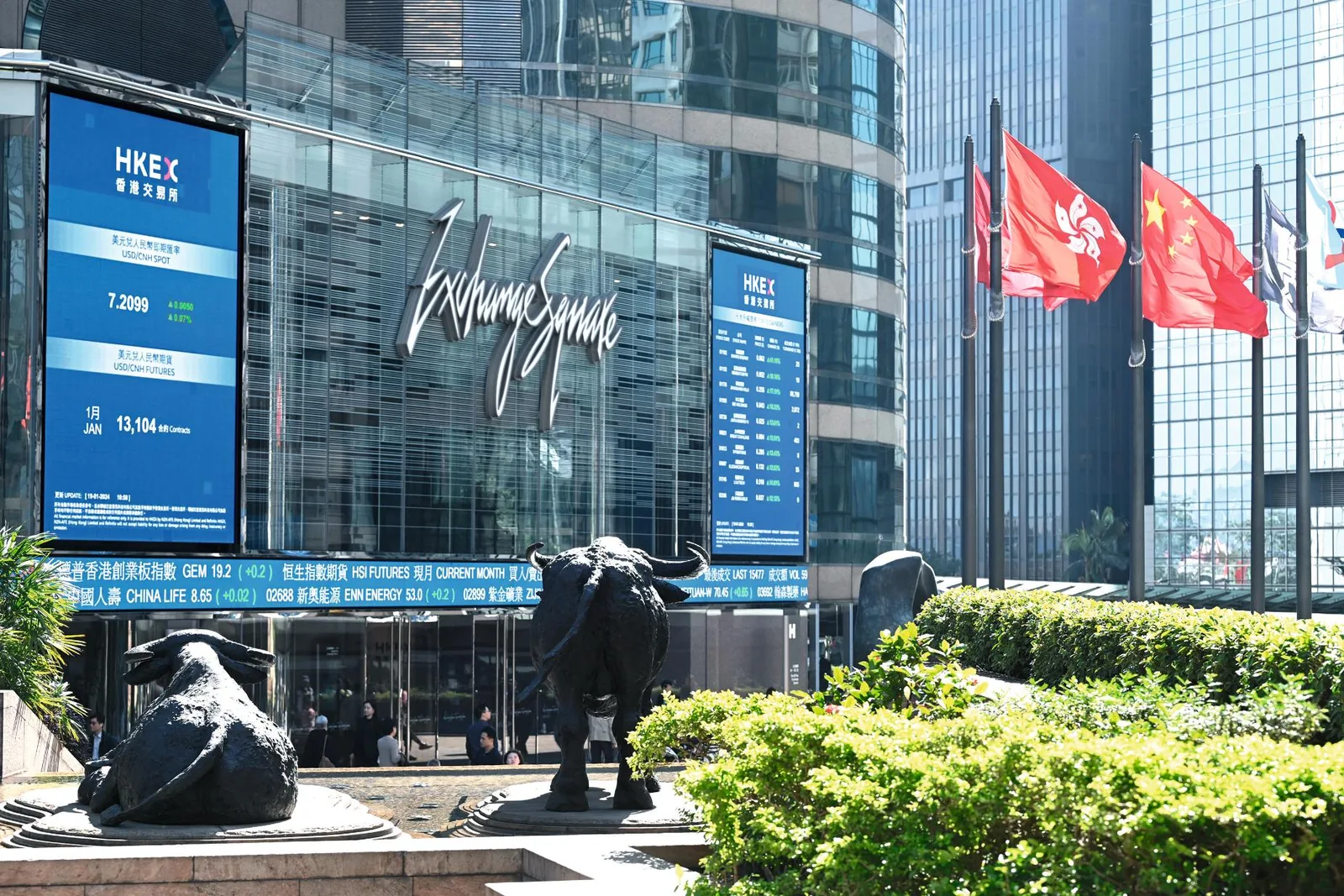 Reference image
Editorial responsibility
- No named human review is recorded for this page.
- Reports are grouped by semantic similarity and deterministic rules. Language models may assist titles, summaries, translation and cross-source analysis; the page reads the event directly, while its address stays stable when the title changes.
- Summary covers the current reports
Cross-source coverage
Common ground
- The HKEX rule changes prioritize deal flow and corporate flexibility over investor protection.
- The self-assessment mechanism for spin-offs has a low review rate and potential conflicts of interest.
- The 80% IPO rebound is concentrated in a few state-backed mega-listings, not broad market health.
- Hong Kong's market has structural issues like high ownership concentration and weak shareholder activism.
- The debate shows both sides agree the changes reduce some level of shareholder oversight.
Points of contention
- Whether the rule changes are a pragmatic response to global competition or a race to the bottom that weakens protections.
- Whether Hong Kong's political environment under the national security law brings stability or unpredictable risk.
- Whether the main beneficiaries are mainland Chinese companies and insiders or the broader market and global capital.
- Whether the 5% review rate on self-assessments is adaptive governance or regulatory capture by design.
- Whether the changes primarily hurt retail investors, mid-tier institutions, or no one in practice.
Blind spots
- The debate overlooks how the self-assessment mechanism's announced-in-advance reviews let companies game the system.
- No one fully addresses the hollowing out of the mid-cap market beneath the headline IPO rebound numbers.
- The human cost for ordinary Hong Kongers, beyond just investors, is mentioned but not deeply explored.
- The role of mainland China's capital controls in driving these changes is hinted at but not systematically analyzed.
- The long-term impact on Hong Kong's reputation for rule of law and predictability is underdiscussed.
WorldAttention’s read
The HKEX rule changes are a calculated trade-off: they boost short-term deal flow and corporate flexibility but reduce shareholder oversight, especially for mid-tier institutional investors. The self-assessment mechanism with its low, announced-in-advance review rate is a key vulnerability that could enable abuse. While the 80% IPO rebound shows Hong Kong isn't collapsing, it's driven by a few state-backed listings, masking a weaker mid-cap market. The real risk isn't the rules themselves but the perception that they can shift with Beijing's priorities, creating a risk premium that no amount of regulatory loosening can fix. Both sides have valid points—the changes are neither a pure race to the bottom nor just smart adaptation—but the debate misses how this accelerates power consolidation for dominant owners in a market already lacking checks.
Reporting timeline
Hong Kong Exchange Launches Second Consultation to Optimize Trading and Spin-off Rules
The Hong Kong Stock Exchange (HKEX), through its subsidiary the Stock Exchange of Hong Kong (SEHK), has launched a second consultation to reform regulations for listed companies regarding notifiable transactions, connected transactions, and spin-offs. The consultation, announced on September 21, follows a first phase on listing thresholds concluded in July. Key proposals include removing the profit ratio test for transaction classification, raising the threshold for major transactions requiring shareholder approval from 25% to 50%, and abolishing the categories of very substantial disposal and very substantial acquisition. For connected transactions, the exchange plans to focus on higher conflict-of-interest risks by raising the shareholder threshold for defining a 'connected subsidiary' from 10% to 30%. For spin-offs, proposals include introducing a self-assessment mechanism for low-risk cases, removing the requirement for guaranteed share entitlements for parent company shareholders, and shortening the post-listing moratorium on spin-off applications from three years to one year. HKEX Head of Listing Bonnie Y Chan stated the reforms aim to provide issuers with greater flexibility and certainty while maintaining investor protection through timely disclosure and board accountability. The consultation period ends on November 30, 2026.
Read sourceHKEX Proposes Major Changes to Trading Rules for Listed Companies
On September 21, the Hong Kong Stock Exchange (HKEX) subsidiary, the Stock Exchange of Hong Kong (SEHK), published a consultation paper proposing systemic revisions to the ongoing regulatory rules for listed companies regarding notifiable transactions, connected transactions, and spin-offs. This is the second phase of a competitiveness review of the listing regime, following the first phase in July which focused on listing rule adjustments. Key proposals include raising the threshold for shareholder-approved major transactions from 25% to 50%, increasing the equity threshold for defining a connected person's subsidiary from 10% to 30%, and shortening the post-listing restriction period for spin-off applications from three years to one year. The consultation period is 10 weeks, ending November 30. HKEX Head of Listing, Bonnie Y Chan, stated the reforms aim to provide issuers with greater flexibility and certainty in corporate transactions while maintaining investor protection through timely disclosures and board accountability.
Read sourceHong Kong Exchange Proposes Major Changes to Listing Rules on Transactions and Spin-offs
The Hong Kong Stock Exchange (HKEX), through its wholly-owned subsidiary The Stock Exchange of Hong Kong Limited (SEHK), published a consultation paper on September 21 focusing on systemic revisions to the continuing listing rules for issuers regarding notifiable transactions, connected transactions, and spin-offs. This is the second phase of a competitiveness review of the listing regime, following the first phase on listing rule adjustments implemented in July. Key proposals include raising the threshold for shareholder-approved major transactions from 25% to 50%, increasing the equity threshold for defining a connected person's subsidiary from 10% to 30%, and shortening the post-listing restriction period for parent companies to submit spin-off applications from three years to one year. The consultation period is 10 weeks, ending November 30. HKEX Head of Listing, Katherine Ng, stated the reforms aim to provide issuers with greater flexibility and certainty in corporate transactions while maintaining investor protection through timely disclosures and board accountability.
Read sourceShow 4 older updatesHide older updates
Hong Kong Stock Exchange Proposes Cutting Spin-Off Listing Restriction to One Year
On September 21, the Hong Kong Stock Exchange (HKEX) published a consultation paper on the second phase of its listing regime competitiveness review, seeking market feedback on proposed changes to rules governing notifiable transactions, connected transactions, and spin-off listings. Key proposals include shortening the restriction period for parent companies from submitting spin-off listing applications from three years to one year after their own listing, raising the equity threshold for connected persons holding shares in a subsidiary from 10% to 30%, and increasing the threshold for major transactions requiring shareholder approval from 25% to 50%. HKEX Head of Listing Bonnie Y Chan stated that the reforms aim to provide issuers with greater flexibility and certainty in corporate transactions, improve time and cost efficiency, while maintaining investor protection through timely, high-quality disclosures and effective board accountability mechanisms. The exchange is inviting public comments on the proposals.
Read sourceHong Kong Stock Exchange Proposes Cutting Spin-Off Restriction Period from Three Years to One
On September 21, the Hong Kong Stock Exchange (HKEX) published a consultation paper on the second phase of its listing regime competitiveness review, seeking market feedback on proposed changes to rules governing notifiable transactions, connected transactions, and spin-offs. Key proposals include reducing the restriction period for parent companies from submitting spin-off listing applications from three years to one year; raising the equity threshold for related parties holding shares in subsidiaries from 10% to 30%; and increasing the threshold for major transactions requiring shareholder approval from 25% to 50%. Bonnie Y Chan, HKEX Head of Listing, stated that the exchange is committed to continuously improving the listing regime to meet the evolving needs of Hong Kong's increasingly diverse issuer and investor ecosystem. She said the reforms aim to provide issuers with greater flexibility and certainty in corporate transactions, improve efficiency in time and cost, while maintaining investor protection through timely, high-quality disclosures and effective board accountability mechanisms. The HKEX welcomes public comments on the proposals.
Read sourceHong Kong Exchange Proposes Broadening Disclosure Threshold for Listed Company Transactions to 50%
On September 21, the Hong Kong Stock Exchange (HKEX) published a consultation paper as part of the second phase of its listing competitiveness review, seeking market feedback on proposals to reform regulations for listed issuers' corporate transactions. The consultation period runs for 10 weeks until November 30, 2026. Key proposals include deleting the 'profit ratio' test, allowing issuers to compare the consideration ratio against the higher of market capitalization or net assets, and raising the disclosure transaction threshold from 5%-25% to 5%-50%. The major transaction threshold would increase from 25% to 50%, and categories for very substantial disposals and acquisitions would be eliminated. Asset acquisitions or leases in the ordinary course of business that constitute major transactions would no longer require a circular or shareholder approval. For connected transactions, the definition threshold for 'connected subsidiaries' would rise from 10% to 30% voting power, and annual caps for continuing connected transactions could be expressed as a percentage of revenue or other financial items. HKEX Head of Listing Bonnie Y Chan stated the reforms aim to provide greater flexibility and certainty for issuers while maintaining investor protection through timely disclosures and board accountability.
Hong Kong Exchange Proposes Major Changes to Trading Rules for Listed Companies
On September 21, the Hong Kong Exchange (HKEX) published a consultation paper proposing systemic revisions to the ongoing regulatory rules for listed companies, covering notifiable transactions, connected transactions, and spin-offs. This is the second phase of a competitiveness review, following the first phase in July which focused on listing rules. The proposed changes aim to give issuers greater flexibility and certainty while maintaining investor protection through timely disclosure and board accountability. Key proposals include raising the threshold for major transactions requiring shareholder approval from 25% to 50%, increasing the shareholding threshold for connected persons in subsidiaries from 10% to 30%, and shortening the restriction period for parent companies to apply for a spin-off from three years to one year. The consultation period runs for 10 weeks until November 30. HKEX Head of Listing, Bonnie Y Chan, stated the reforms are designed to enhance efficiency and maintain investor safeguards.
Read source