G7 agrees to release up to 100 million barrels of oil after Trump pressures Europe
The G7 nations agreed on October 2, 2026, to release up to 100 million barrels of diesel and crude oil from strategic reserves over four months to curb rising fuel prices. French President Emmanuel Macron announced the decision after a video conference, stating the release is coordinated by the International Energy Agency. The move followed U.S. President Donald Trump's pressure on European partners and his threat to ban U.S. diesel exports. The G7 also agreed not to impose export restrictions among themselves.
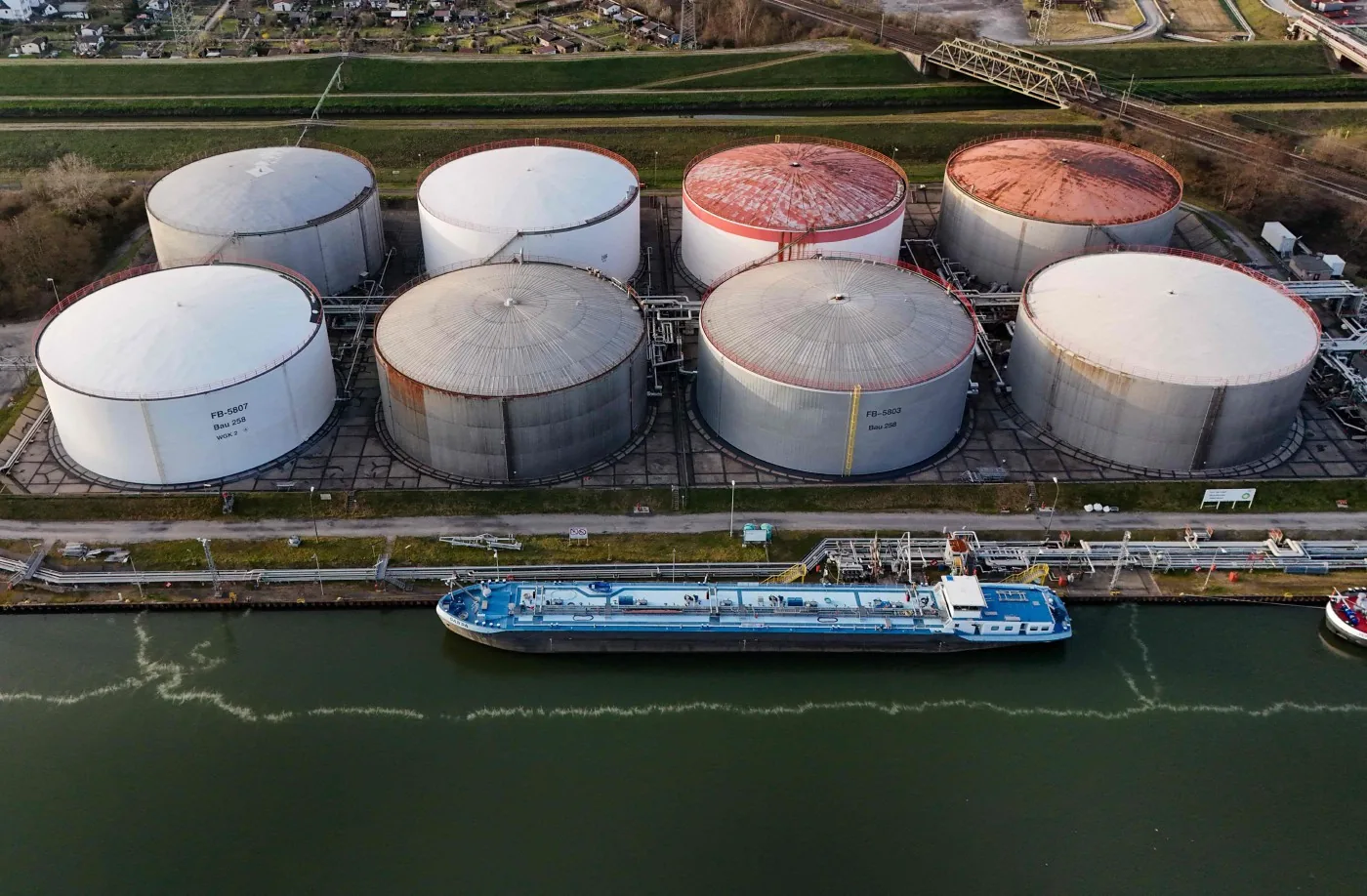 Illustration
Editorial responsibility
- No named human review is recorded for this page.
- Reports are grouped by semantic similarity and deterministic rules. Language models may assist titles, summaries, translation and cross-source analysis; the page reads the event directly, while its address stays stable when the title changes.
- Summary covers the current reports
Cross-source coverage
Common ground
- Both sides agree that the G7 diesel reserve release was not a voluntary, coordinated strategy but a reaction to U.S. pressure.
- There is agreement that the democratic deficit is real—no parliamentary debate occurred in any G7 country before draining 100 million barrels of strategic reserves.
- Both acknowledge that Europe's ban on Russian diesel imports created a self-inflicted vulnerability.
- Both recognize that global refining capacity has declined, contributing to the current crisis.
Points of contention
- The Neutral Agent sees the U.S. threat of an export ban as a panic move from a country with its own diesel crisis, while the Western Agent views it as coercive leverage against a dependent ally.
- The Western Agent argues the U.S. holds structural advantages like shale reserves, making the situation a one-sided power play, while the Neutral Agent insists both sides made the same mistakes in underinvesting in refining.
- The Neutral Agent frames the crisis as a shared structural failure, while the Western Agent emphasizes specific political coercion and democratic erosion in this moment.
Blind spots
- Neither side demands new refinery investment as a sustainable solution, focusing instead on short-term fixes and blame.
- The debate overlooks how policy signals from both U.S. trade wars and European ESG mandates created the investment uncertainty that led to refinery closures.
- There is little discussion of the role of shareholder pressure and green optics in driving the decade-long underinvestment in refining capacity.
WorldAttention’s read
This debate reveals a deeper conflict between structural and political explanations for the G7 diesel reserve release. Both sides agree the decision bypassed democratic accountability and that Europe's Russian diesel ban created vulnerability. However, they clash on whether the U.S. acted from coercion or shared crisis. The Neutral Agent argues both countries made the same mistake of underinvesting in refining, while the Western Agent insists the U.S. exploited its leverage unfairly. The real blind spot is that no one is demanding new refinery investment to fix the underlying shortage—strategic reserves are being used as a band-aid for a decade of bad policy. Until that changes, these G7 calls will remain theater, not solutions.
Reporting timeline
G7 Releases Strategic Oil Reserves; Expert Says Trump Threatened Europeans Over Diesel Export Ban
The G7 nations have agreed to release up to 100 million barrels of diesel and crude oil from their strategic petroleum reserves, according to a report by Die Welt. Energiesicherheitsexperte (energy security expert) Frank Umbach interprets this move as a result of political pressure from Washington, specifically from former U.S. President Donald Trump. Umbach states that the release was not originally planned by European countries, implying that the decision was driven by U.S. demands. The article frames the release as a response to a potential diesel export ban, with Trump having effectively threatened European nations. The report highlights transatlantic tensions over energy policy and the strategic use of emergency reserves to influence global fuel markets.
Read sourceTrump effectively threatened Europeans, says energy security expert on G7 oil release
On October 2, 2026, the G7 announced the release of up to 100 million barrels of diesel and crude oil from strategic reserves to stabilize the oil market. Energy security expert Frank Umbach, in an interview with Die Welt, interprets this move as a result of political pressure from Washington, specifically from former U.S. President Donald Trump. Umbach states that the release was not planned from the European side, implying that European nations were compelled to act under U.S. pressure. The article frames the decision as a response to market tensions, with the expert attributing the initiative primarily to American political influence rather than a coordinated European strategy.
Read sourceG7 Agrees to Release 100 Million Barrels of Oil After Trump Plea to Macron
The Group of Seven nations agreed on Friday to release 100 million barrels of oil from stockpiles following a desperate plea from the White House, according to The New Republic. The emergency G7 meeting came after a call between U.S. President Donald Trump and French President Emmanuel Macron, during which Trump asked for assistance amid the oil crisis and floated banning U.S. diesel exports. Trump announced on Truth Social that 'Europe has just agreed to release a massive amount of their heavily stocked Diesel Oil.' The barrels are expected to hit the market over the next four months. The article notes that oil and gas prices have risen sharply since the start of the Iran war and the closure of the Strait of Hormuz, with gas rising from $2.99 to $4.39 per gallon and diesel from $3.70 to $6.37 per gallon year-over-year. Two diplomats told Politico the G7 declaration largely reiterated a March agreement from the International Energy Agency that had been stalled due to low availability of cheaper U.S. crude oil.
Read sourceShow 4 older updatesHide older updates
G-7 Agrees to Release 100 Million Barrels of Oil After Trump Threatens Diesel Export Ban
The Group of Seven (G-7) nations have agreed to release 100 million barrels of oil and other fuel from their emergency stockpiles, according to a breaking news report from the Wall Street Journal. This coordinated action follows a threat by former U.S. President Donald Trump to ban diesel exports. The release is intended to stabilize global energy markets and address potential supply disruptions. The announcement underscores the heightened tensions around energy security and trade policy, with the G-7 moving to preemptively bolster supply in response to the threat of U.S. export restrictions on diesel fuel.
Read sourceMacron: G7 to Release Up to 100 Million Barrels of Oil to Lower Fuel Prices
French President Emmanuel Macron announced on October 2, 2026, that G7 countries will release up to 100 million barrels of diesel and crude oil from their strategic reserves over the next four months to reduce pressure on fuel prices. The decision, coordinated by the International Energy Agency, aims to lower prices at the pump. Macron also stated that G7 members agreed not to impose export limitations or bans among themselves, noting that U.S. President Donald Trump, who had threatened to reduce American gas exports, was 'very clear on this point.' The announcement followed a videoconference meeting of G7 leaders at the Elysee Palace in Paris. Macron expressed confidence that these measures should lead to lower fuel prices, amid a broader context of rising fuel costs affecting purchasing power in Europe and prompting governments to increase aid.
Read sourceG-7 states to release up to 100 million barrels of oil and diesel from emergency reserves
On October 2, 2026, the G-7 states announced a coordinated release of up to 100 million barrels of oil and diesel from their emergency reserves to curb rising fuel prices caused by the Iran war. The release, coordinated through the International Energy Agency (IEA), will begin immediately and last four months, with a significant early diesel release within the first 20 days. French President Emmanuel Macron announced the decision on X after a video conference. US President Donald Trump had pressured European partners for an immediate diesel release, stating that Europe agreed to release a 'huge amount' of its diesel reserves. The G-7 also committed to refraining from energy export restrictions among themselves, a signal to the US which had threatened a unilateral diesel export ban. The leaders reaffirmed sanctions against Russia and condemned Iranian attacks on its neighbors. The move comes as Trump's Republicans face low poll numbers ahead of US congressional midterm elections.
Read sourceMacron to Chair G7 Video Call on Global Oil and Fuel Market Measures
French President Emmanuel Macron will chair a video call with other G7 leaders on Friday at 2:30 PM local time (20:30 Beijing time) to discuss potential measures targeting global crude oil and refined product markets, according to a statement from the Elysee Palace. Macron has already spoken separately with U.S. President Donald Trump and Canadian Prime Minister Mark Carney on the issue. A source familiar with the discussions said France has asked its European Union partners to release additional diesel stocks, responding to U.S. pressure on European nations to boost supply in an effort to lower surging fuel prices.
Read source