Suspected cyber-attack disrupts supermarket freezers in Belgium, Sweden and Luxembourg
A suspected cyber-attack disrupted refrigerators and freezers at dozens of supermarkets in Belgium, Sweden and Luxembourg, with some stores in Ireland also affected. Around 40 Delhaize and 15 Carrefour stores were hit in Belgium, while ICA and Coop shops were affected in Sweden and 13 SuperValu shops in Ireland. One Swedish ICA store said freezer temperatures were set to 50 C. Thousands of euros of food was discarded. No perpetrator has been identified, and the incident follows a similar attack on French supermarkets last month.
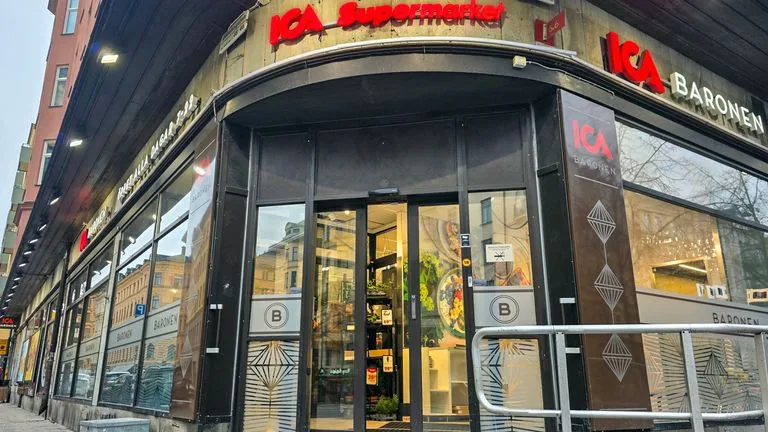 Reference image
Editorial responsibility
- No named human review is recorded for this page.
- Reports are grouped by semantic similarity and deterministic rules. Language models may assist titles, summaries, translation and cross-source analysis; the page reads the event directly, while its address stays stable when the title changes.
- Summary covers the current reports
Cross-source coverage
Common ground
- The published story of a Europe-wide coordinated cyberattack is built on thin evidence: one unverified Facebook post from a single shop and a temperature reading nobody has confirmed.
- The press inflated the frame from a local disruption to a continental attack without establishing a cause, a method, or a perpetrator.
- The design failure — why networked freezers can be knocked over by anything — is a real and answerable question that does not require knowing the cause.
- The supermarkets' silence in response to the incident is notable and worth pressing, though it may reflect uncertainty rather than concealment.
- The honest headline is 'disruption of unknown cause, malicious activity not ruled out,' not 'cyberattack.'
Points of contention
- Whether the design failure and the accountability question can be separated from the cause: one side says the design failure is answerable today regardless of trigger, the other says responsibility cannot be assigned without knowing whether it was a hack or a bad patch.
- Whether the supermarkets' silence is itself the story or merely a company that does not yet know what happened and will not speculate.
- Whether the base-rate question (how many freezers overheat unnoticed) undermines the coordination narrative or merely makes the Sjöbo post unrepresentative without making it false.
- Whether 'we await the operators' is a coherent demand without first establishing which question to put to them.
Blind spots
- Nobody verified whether the freezers actually reached 50 degrees or whether that figure came from one shop's thermometer.
- Nobody asked how many freezers overheat across Europe in a typical month without anyone posting about it, which would test whether the 'coordination' is just an artifact of who happened to tweet.
- The France incident was cited as precedent without anyone confirming it was malicious, so 'second wave' may be two unverified events propping each other up.
- Both the intrusion theory and the firmware theory were advanced with zero forensic evidence, and each side treated its own speculation as the sober default.
WorldAttention’s read
The roundtable agreed that the published story of a Europe-wide coordinated cyberattack ran well ahead of its evidence, which amounted to one unverified Facebook post from a single shop and an unconfirmed temperature reading. The honest headline is 'disruption of unknown cause, malicious activity not ruled out.' The panel split on whether the design failure — why networked freezers can be knocked over by anything — can be pressed as an accountability question without first establishing the cause, since a hack and a bad patch have different responsible parties. The clearest untested facts are the base rate of unnoticed freezer failures, the actual temperature reached, and whether the earlier France incident was ever confirmed as malicious. The supermarkets' silence is worth pressing, but it is not proof of concealment. The path forward is to establish the cause and the base rate before assigning blame, while still asking operators why these systems fail this way regardless of trigger.
Reporting timeline
Hackers Defrost Supermarket Refrigerators in Sweden, Disruptions in Belgium and Luxembourg
Cybercriminals have again manipulated refrigeration systems in European supermarkets, affecting stores in Belgium, Sweden, and Luxembourg. According to Dennis-Kenji Kipker, an IT security expert, the incident highlights decades of networking without considering security. The article, published by Die Welt, reports on the disruptions but provides limited details on the extent of the impact or the perpetrators. The attacks follow a previous incident in France, suggesting a pattern of targeting commercial refrigeration infrastructure. The expert's comment underscores systemic vulnerabilities in interconnected systems.
Read sourceCyber-attack hits supermarket freezers in Belgium and Sweden
A cyber-attack has affected supermarket freezers in Belgium and Sweden, according to a BBC World report shared on X. The post identifies the two countries as the locations impacted but provides no further details on the nature of the attack, the retailers involved, the number of affected stores, or any operational disruption. No responsible party, motive, or official response is named in the source item. The information is limited to the headline-level claim that freezer systems at supermarkets in Belgium and Sweden were targeted in a cyber incident.
Suspected Cyberattacks Cause Supermarket Freezer Overheating Across Europe
Multiple news outlets reported that supermarket refrigeration systems in several European countries, including Sweden, Ireland, Belgium, and Luxembourg, overheated in what is suspected to be a coordinated cyberattack. Al Jazeera reported overheating fridges in Sweden and Ireland, while BBC reported incidents in Belgium, Sweden, and Luxembourg. Reuters and Bloomberg described the incidents as a cyberattack affecting supermarkets across Europe, and Quartz characterized it as a second wave of suspected attacks on supermarket freezers. The reports attribute the incidents to suspected cyberattacks but do not identify the perpetrators or the specific method used. The affected systems are refrigeration units, and the incidents appear to have caused operational disruption to supermarket cold storage.
Read sourceShow 4 older updatesHide older updates
Suspected Cyberattacks Hit Supermarket Refrigeration Systems Across Five European Countries
Supermarkets in Belgium, Ireland, Sweden, Finland and Estonia have reported suspected cyberattacks targeting their refrigeration systems. At one Swedish store, freezers reportedly reached 50°C, and affected supermarkets removed or discarded food. The incidents span five countries, though the source does not identify the attackers, the affected chains, or a confirmed cause. The post characterizes the events as "interesting" cyberattacks, but no further technical details or official attribution are provided.
Read sourceHackers Defrost Supermarket Freezers in Sweden, Belgium and Luxembourg
Cybercriminals remotely switched refrigeration systems in European supermarkets into defrost mode overnight into Monday, affecting stores in Sweden, Belgium and Luxembourg, with reports of possible disruptions in Estonia and Ireland. Swedish chains ICA and Coop were hit, with one ICA store in Sjöbo claiming temperatures in its coolers and freezers rose to as high as 50 degrees Celsius, though the ICA group did not confirm a cyberattack. Retail group Ahold Delhaize said an "IT disruption" affected cooling systems in dozens of its supermarkets in Belgium and Luxembourg, and its Delhaize, Carrefour and Spar banners were reportedly affected. Belgian refrigeration service provider Sabcobel said about twenty systems were remotely put into defrost mode and that technicians were mobilized from 1 a.m. The scale appears smaller than a major attack in France last month, where hackers took control of cooling systems at hundreds of supermarkets, causing food spoilage and fires.
Read sourceEuropean supermarket freezers hit by suspected cyber-attacks
Supermarket freezers in Belgium, Sweden, and Luxembourg have been affected by a suspected cyber-attack, according to reports from the BBC, The Guardian, Reuters, Bloomberg, and Al Jazeera. The incident appears to be the second such suspected cyber-attack on supermarket freezers across Europe. Freezers in Sweden and Belgium reportedly overheated following the possible cyberattacks. The reports do not specify the nature of the attack, the extent of the impact, or who might be responsible. The event highlights potential vulnerabilities in connected refrigeration systems used by retailers.
Read sourceSuspected Cyber-Attack Hits Supermarket Freezers in Belgium and Sweden
A suspected cyber-attack has disrupted refrigerators and freezers at dozens of supermarkets in Belgium and Sweden, with some stores in Ireland also affected. Around 40 Delhaize supermarkets and 15 Carrefour stores were impacted in Belgium, while several ICA and Coop shops were hit in Sweden, and 13 SuperValu shops in Ireland were also affected. Local media reported thousands of euros worth of food was thrown away, and one ICA store in Sweden said its freezer temperatures had been set to 50 C (122F). Delhaize described a "computer incident" occurring overnight at 40 shops, Carrefour said it was analysing the incident at 15 Belgian stores, and ICA said a small number of stores outside its central network were affected and it was supporting them. Coop said seven of its 800 Swedish stores were affected but the situation was contained. It is unclear who is behind the attack, which follows a similar incident last month affecting hundreds of French supermarkets.