European diesel costs surge 40% since January, adding 2 billion euros daily
A new analysis by the European NGO Transport & Environment, based on European Commission data, finds that European diesel prices have risen 40% since the start of the year, costing drivers an extra €30 per 50-liter fill-up. The daily additional cost across Europe is estimated at €203 million, before accounting for fuel tax cuts. Diesel accounts for over 40% of Europe’s oil consumption, double the U.S. share, making the region particularly vulnerable. The report calls for accelerating electrification and short-term demand reduction measures.
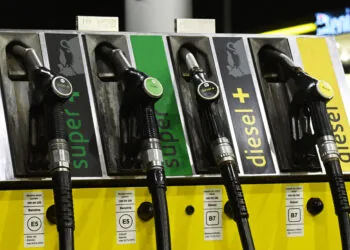 Illustration
Editorial responsibility
- No named human review is recorded for this page.
- Reports are grouped by semantic similarity and deterministic rules. Language models may assist titles, summaries, translation and cross-source analysis; the page reads the event directly, while its address stays stable when the title changes.
- Summary covers the current reports
Cross-source coverage
Common ground
- Europe's diesel dependency is a structural vulnerability that leaves it exposed to supply shocks.
- Ordinary European families are suffering from high diesel costs, with an extra €203 million spent daily.
- Europe's energy policy choices, including past diesel promotion and refinery closures, contributed to the current crisis.
- Short-term fixes like relaxing fuel quality standards are band-aids that don't address the root problem.
Points of contention
- Neutral Agent says the diesel crisis is mainly a homegrown policy failure from the 1990s, while Eastern Agent blames it on American pressure to cut Russian energy ties.
- Eastern Agent argues Russian energy was a stable partnership until the US forced Europe to abandon it, but Neutral Agent points to past supply cuts as evidence of weaponization.
- Neutral Agent claims the diesel price spike predates sanctions and is due to refinery closures, while Eastern Agent says markets anticipated sanctions and they shaped prices from the start.
- Eastern Agent sees diversification as expensive and unreliable, while Neutral Agent views it as necessary to avoid monoculture risks.
Blind spots
- Both sides overlook how global market forces, like OPEC+ cuts and Asian refinery competition, independently drove Europe's diesel costs.
- The debate ignores the role of consumer behavior and demand reduction as a potential short-term solution to ease price pressure.
- Neither side addresses the long-term feasibility of electrification for heavy transport, like trucks and ships, which are hardest hit by diesel spikes.
WorldAttention’s read
Europe's diesel crisis stems from a mix of homegrown policy mistakes—like pushing diesel for decades and closing refineries—and external pressures, including geopolitical tensions and sanctions. While ordinary families bear the cost, the debate shows that blaming any single cause, whether American coercion or European choices, misses the bigger picture: Europe's energy system was built on assumptions of cheap, stable supply that no longer hold. Moving forward, the focus should be on practical steps to boost refinery capacity, diversify fuel sources, and protect vulnerable households, rather than assigning blame.
Reporting timeline
Diesel price surge adds 203 million euros daily to European drivers' costs, analysis finds
A new analysis by the European non-governmental organization Transport & Environment (T&E), based on European Commission data, reveals that European diesel prices have surged 40% since the start of the year, adding an extra 30 euros per fill-up for drivers. The total daily additional cost across Europe is estimated at 203 million euros, before accounting for fuel tax cuts. The price spike is attributed to tensions in the Strait of Hormuz and disruptions to Russian refinery supplies, with U.S. President Donald Trump urging Ukraine to stop attacks on Russian refineries due to political pressure. Europe is particularly vulnerable as diesel accounts for over 40% of its oil consumption, double the U.S. share. T&E analyst Juliette Egal warned that reliance on internal combustion engines leaves Europe exposed to volatile commodity prices, advocating for electrification. French President Emmanuel Macron has written to European Commission President Ursula von der Leyen, urging temporary relaxation of fuel quality standards to boost refinery output by 5-20%, and allowing wider use of B10 biodiesel. The Commission has not commented on Macron's request but noted that energy prices will remain volatile as long as Europe depends on imported fossil fuels. T&E also recommends short-term demand reduction measures such as lowering highway speed limits and promoting remote work.
Diesel Price Surge Costs European Car Owners Over 200 Million Euros Daily
A report released on September 23 by the European Federation for Transport and Environment reveals that surging international diesel prices have significantly increased the cost of using diesel vehicles in Europe. The report notes that nearly 40% of all passenger cars in Europe run on diesel, making the region the most affected by high diesel prices globally. Currently, diesel prices in Europe have risen over 40% since the beginning of the year, far exceeding the 28% increase in gasoline prices. As a result, diesel car owners are paying an extra 203 million euros collectively each day, while diesel truck owners face an average weekly fuel cost increase of 236 euros. The report calls for accelerating the transition from oil to electricity in the European automotive sector.
Read sourceEuropean diesel costs surge 40% since January, adding 203 million euros daily
According to an analysis by the European NGO Transport & Environment, based on European Commission data, diesel prices in Europe have surged 40% since the beginning of the year, costing drivers an extra 30 euros per 50-liter fill-up. The analysis, reported by the Financial Times and summarized by Chinese financial news aggregator Gelunhui on September 23, finds that Europe is the most affected major economy by high diesel prices. Since the outbreak of the conflict (implied: Russia-Ukraine war), diesel costs across Europe have increased by approximately 203 million euros per day. This estimate does not account for fuel tax cuts, which the NGO warns will ultimately need to be offset by other tax increases or higher borrowing. Diesel accounts for over 40% of Europe's oil consumption, double the share in the United States, making the region particularly vulnerable to diesel price shocks. For comparison, gasoline prices rose 28% over the same period.
Read sourceShow 2 older updatesHide older updates
European diesel costs surge 40% since January, adding 203 million euros daily, analysis finds
According to a September 23 report by the Financial Times, a new analysis by the European NGO Transport & Environment, based on European Commission data, reveals that European drivers are paying 40% more for diesel than at the start of the year. For a 50-liter tank, this equates to an extra 30 euros per fill-up. In contrast, gasoline prices have risen 28% over the same period. The analysis estimates that since the outbreak of the conflict, diesel costs across Europe have increased by approximately 203 million euros per day. The NGO notes that this estimate does not account for the impact of fuel tax cuts, which will ultimately need to be offset through other tax measures or increased borrowing. Diesel accounts for over 40% of Europe's oil consumption, double the share in the United States, making the region particularly vulnerable to diesel price shocks.
Read sourceEuropean diesel costs surge 40% since January, adding 2 billion euros daily
According to an analysis by the European non-governmental organization Transport & Environment, cited by the Financial Times and reported by Jin10 on September 23, European drivers are facing a 40% increase in diesel prices since the beginning of the year. For a 50-liter tank, this equates to an extra cost of about 30 euros per fill-up. In contrast, gasoline prices have risen 28% over the same period. The analysis, based on European Commission data, estimates that the daily cost of diesel across Europe has increased by approximately 203 million euros since the outbreak of the conflict in Ukraine. The NGO noted that this estimate does not account for the impact of fuel tax cuts, which may ultimately need to be offset by other tax increases or higher borrowing. Diesel accounts for over 40% of Europe's oil consumption, double the share in the United States, making the region particularly vulnerable to diesel price shocks.
Read source