ECB’s Nagel warns high energy prices could force rates into mildly restrictive territory
European Central Bank Governing Council member Joachim Nagel warned on September 23 that persistently high energy prices could force the ECB to raise interest rates into mildly restrictive territory, meaning levels that slow economic growth. He said it is too early for a definitive call but cannot rule out such a move. Nagel also expressed concern about second-round inflation effects from upcoming wage negotiations, particularly in Germany, while noting no significant second-round effects have been observed so far. He stated current rates remain neutral.
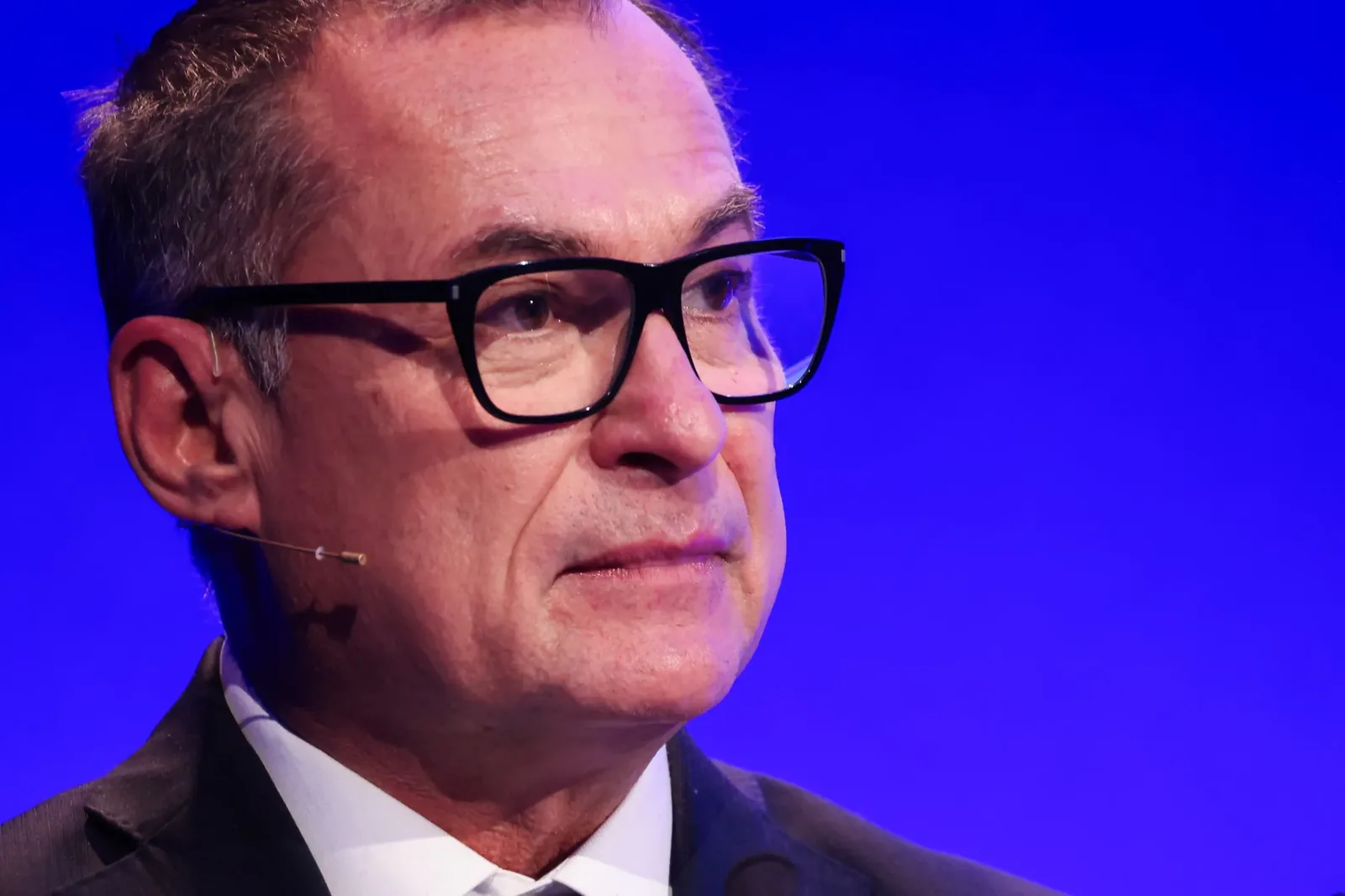 Reference image
Editorial responsibility
- No named human review is recorded for this page.
- Reports are grouped by semantic similarity and deterministic rules. Language models may assist titles, summaries, translation and cross-source analysis; the page reads the event directly, while its address stays stable when the title changes.
- Summary covers the current reports
Cross-source coverage
Reporting timeline
ECB's Nagel: High energy prices may force rates into mildly restrictive territory
European Central Bank Governing Council member and Bundesbank President Joachim Nagel warned that persistently high energy prices could force the ECB to raise interest rates into mildly restrictive territory, meaning levels that slow economic growth. Speaking on Tuesday, Nagel said it is too early to make a definitive call but that he cannot rule out entering a mildly restrictive policy zone if energy costs remain elevated. He also expressed concern about second-round inflation effects from upcoming wage negotiations, particularly in Germany. The ECB raised its deposit rate to 2.50% on September 10, its second hike of the year. Internal views on the neutral rate vary: Chief Economist Philip Lane sees it at up to 2.5%, while Ireland's central bank chief Gabriel Makhlouf puts the restrictive threshold above 2.75%. ECB President Christine Lagarde cautioned that energy price spikes do not automatically translate into tighter monetary policy, as they also affect growth and consumption. Eurozone household inflation expectations rose across all time horizons in August, with the key three-year median reaching 2.9%, above the ECB's 2% target. The ECB's latest forecasts show overall inflation averaging 3.0% in 2026 and only returning near target by late 2027.
Read sourceECB's Nagel: High energy prices could force ECB into mildly restrictive monetary policy
European Central Bank Governing Council member and Bundesbank President Joachim Nagel stated on September 23 that the ECB may need to raise interest rates to a level that suppresses economic growth if high energy prices persist. Nagel said, 'If high energy prices remain elevated, we cannot rule out having to enter a mildly restrictive monetary policy territory.' He cautioned that it is too early to make a definitive judgment. Nagel expressed concern that upcoming wage negotiations in Germany and other countries could trigger second-round effects on inflation, stating, 'The longer this persists, the more likely we are to see second-round effects,' and emphasized the need for vigilance. When asked about the Transmission Protection Instrument (TPI), Nagel clarified that the tool is only activated when monetary policy transmission is disrupted and is unrelated to the fiscal challenges of any individual eurozone country.
Read sourceECB's Nagel: High Energy Prices Could Force Move to Mildly Restrictive Policy
European Central Bank Governing Council member and Bundesbank President Joachim Nagel stated that the ECB may need to raise interest rates to a level that suppresses economic growth if high energy prices persist. Speaking on September 23, Nagel said, 'If high energy prices remain high, we cannot rule out having to enter a mildly restrictive monetary policy territory.' He cautioned that it is too early to make a definitive judgment. Nagel expressed concern that upcoming wage negotiations in Germany and other countries could trigger second-round effects, stating, 'The longer this persists, the more likely we are to see second-round effects,' and emphasized the need for vigilance. When asked about the Transmission Protection Instrument (TPI), Nagel clarified that the tool can only be activated when there is a problem with monetary policy transmission and is unrelated to fiscal challenges within any eurozone country.
Read sourceShow 9 older updatesHide older updates
ECB's Nagel Says He Is Not Letting Guard Down, Core Inflation Still Too High
European Central Bank Governing Council member Joachim Nagel stated that he is not letting his guard down regarding inflation, as core inflation remains too high. The comment, reported by tradealpha, indicates ongoing caution within the ECB about price pressures despite recent progress. Nagel's remarks suggest that the central bank is not yet ready to declare victory over inflation and may maintain a restrictive monetary policy stance. The statement underscores the ECB's focus on underlying inflation trends rather than headline figures, as core inflation excludes volatile items like energy and food. Markets will likely interpret this as a signal that interest rate cuts are not imminent, reinforcing expectations of a prolonged period of tight monetary conditions in the eurozone.
Read sourceECB's Nagel Says He Is Not Letting Up Vigilance, Core Inflation Still Too High
European Central Bank Governing Council member Joachim Nagel stated that he is not letting up his vigilance regarding inflation, emphasizing that core inflation remains too high. The comment, reported by financial news outlet Jin10, suggests that the ECB official sees persistent underlying price pressures in the eurozone economy. Nagel's remarks indicate a cautious stance on monetary policy, implying that further tightening or a prolonged period of restrictive policy may be necessary to bring inflation back to the ECB's target. The statement comes as markets closely watch ECB policymakers for signals on the future path of interest rates. No additional context or conditions were provided in the brief report.
Read sourceECB Governing Council Member Nagel Says No Significant Second-Round Effects Seen So Far
European Central Bank (ECB) Governing Council member Joachim Nagel stated that, as of his latest assessment, he has not observed any significant second-round effects in the euro area economy. Second-round effects typically refer to the risk that initial price shocks, such as higher energy costs, feed through into broader wage and price-setting behavior, potentially entrenching inflation. Nagel's comment suggests that, in his view, the ECB's monetary policy tightening has not yet triggered a self-sustaining wage-price spiral, which could influence the central bank's future interest rate decisions. The statement was reported by financial news outlet Jin10, attributed directly to Nagel, and provides a snapshot of the current thinking within the ECB's governing council regarding inflation dynamics.
ECB's Nagel: Rates Still Neutral, Cannot Rule Out Need for Slightly Restrictive Territory
European Central Bank Governing Council member Joachim Nagel stated that the ECB's interest rates are currently in neutral territory, meaning they are neither stimulating nor restraining the economy. However, he cautioned that it cannot be ruled out that the central bank may need to move into a slightly restrictive stance in the future. The comment suggests that while policy is balanced for now, further tightening remains a possibility depending on economic data and inflation developments. Nagel's remarks reflect the ECB's data-dependent approach and ongoing uncertainty about the inflation outlook.
Read sourceECB's Nagel Says Rates Still Neutral, Cannot Rule Out Slight Tightening
European Central Bank Governing Council member Joachim Nagel stated that the ECB's current interest rate level remains within the neutral range, meaning it is neither stimulating nor restricting economic activity. However, he cautioned that the possibility of moving into a slightly restrictive, or tight, monetary policy stance cannot be ruled out. The comment, reported by financial data provider Jin10, reflects the ongoing debate within the ECB about the appropriate pace of monetary easing or tightening amid persistent inflation concerns and a fragile economic outlook. Nagel's remarks suggest that while the central bank is not currently in tightening territory, policymakers remain vigilant and prepared to adjust policy if necessary to ensure price stability.
Read sourceECB's Nagel Says Policy Between Constructive Ambiguity and Forward Guidance
European Central Bank Governing Council member Joachim Nagel stated that the ECB is currently implementing monetary policy in a manner that falls between constructive ambiguity and forward guidance. The remark, reported by Chinese financial news outlet Cailianshe on September 23, offers insight into the central bank's communication strategy as it navigates the current economic environment. Nagel's comment suggests a deliberate balance between providing clear signals to markets and maintaining flexibility in policy decisions. The statement comes amid ongoing discussions within the ECB about the pace of interest rate adjustments and the broader economic outlook for the eurozone.
ECB Governing Council Member Nagel Says Market Understands Policy Drivers Well
European Central Bank (ECB) Governing Council member Joachim Nagel stated that he believes there is not much uncertainty in the market's understanding of the factors driving the ECB's policy decisions. The comment, reported by financial news outlet Jin10, suggests that the central bank views its communication as effective and that financial markets have a clear grasp of the economic data and conditions that guide monetary policy moves. Nagel's remarks come amid ongoing discussions about the ECB's interest rate path and inflation outlook in the eurozone. The statement implies confidence in the transparency of the ECB's decision-making process and may reduce speculation about unexpected policy shifts.
Read sourceECB's Nagel Says Policy Implementation Between Ambiguity and Forward Guidance
European Central Bank (ECB) Governing Council member Joachim Nagel stated that the ECB is currently implementing its monetary policy in a manner that falls between constructive ambiguity and forward guidance. The remark, reported by financial news outlet Jin10, offers insight into the ECB's current communication strategy regarding its policy stance. Nagel's comment suggests a deliberate balance between providing clear signals to markets (forward guidance) and maintaining flexibility (constructive ambiguity) in the face of uncertain economic conditions. The statement comes amid ongoing debates within the ECB about the pace of interest rate adjustments and the broader monetary policy trajectory in the eurozone.
Read sourceECB Governing Council Member Nagel Says Not Too Worried About Labor Market
European Central Bank (ECB) Governing Council member Joachim Nagel stated that he is not too concerned about developments in the labor market. The comment, reported by financial news outlet Jin10, offers insight into the thinking of one of the ECB's key policymakers regarding the economic outlook. Nagel's remarks suggest that, from his perspective, current labor market trends do not pose a significant risk to the eurozone economy or to the ECB's policy considerations. The statement comes amid ongoing monitoring of inflation and economic growth by the central bank, where labor market conditions are a key factor in assessing wage pressures and overall economic health. Nagel's relatively sanguine view may signal that the ECB is not currently anticipating the need for policy adjustments based on labor market weakness.