Diamond thermal management enters industrialization year as AI chip power surges sixfold
CITIC Securities reports the diamond heat dissipation industry is entering its first year of industrialization, driven by rising AI chip power consumption, metal cooling limits, and improved diamond manufacturing. Nvidia chip power rose from 700W (Hopper) to projected 4400W (Feynman). Diamond’s thermal conductivity (2000-2200 W/m·K) is five times copper’s. The global market could reach 115 billion yuan by 2030, with 143% CAGR from 2027-2030.
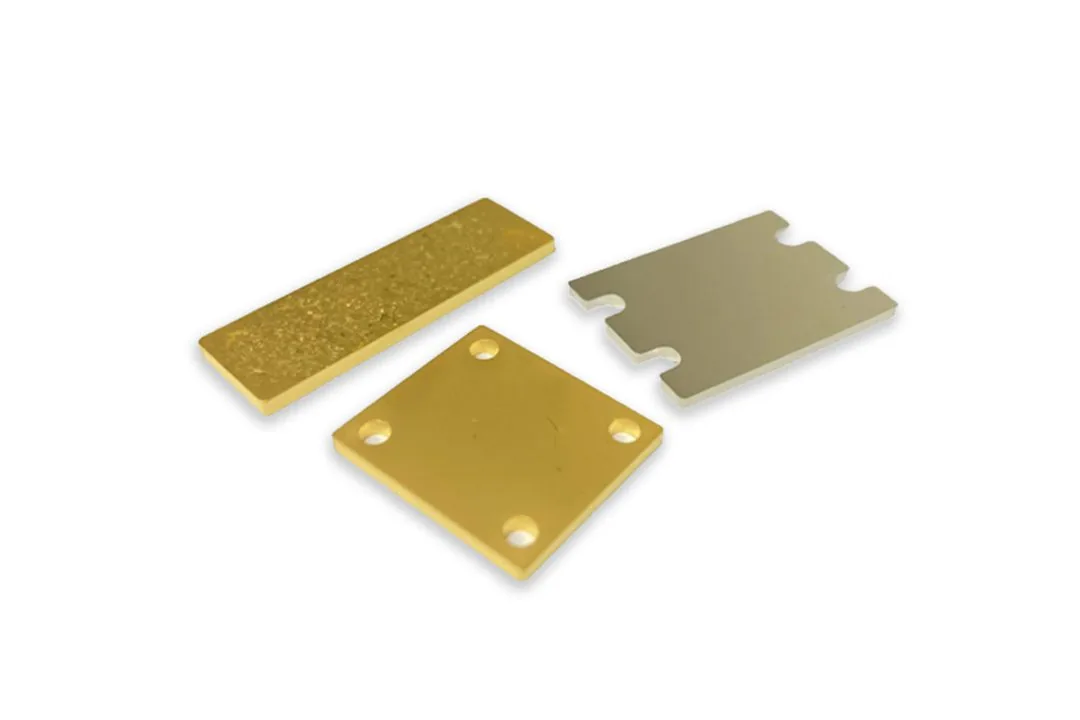 Reference image
Editorial responsibility
- No named human review is recorded for this page.
- Reports are grouped by semantic similarity and deterministic rules. Language models may assist titles, summaries, translation and cross-source analysis; the page reads the event directly, while its address stays stable when the title changes.
- Summary covers the current reports
Cross-source coverage
Reporting timeline
CITIC Securities: Diamond Heat Dissipation Enters Industrialization Year One on AI Chip Demand
CITIC Securities has released a report stating that the diamond heat dissipation industry is entering its first year of industrialization, driven by three factors: rapidly rising power consumption of AI chips, traditional metal heat dissipation approaching physical limits, and continuous optimization of diamond preparation technology. The report notes that NVIDIA's AI chip power consumption has increased from 700W in the Hopper series to an estimated 4400W for the future Feynman generation, a more than six-fold increase over four years. Local heat flux density on chips has already exceeded 500W/cm² and is evolving toward 1000W/cm², making copper-to-diamond interfaces the inevitable choice for heat dissipation upgrades. CITIC Securities estimates the global market for diamond heat dissipation could reach 115 billion yuan by 2030, with a CAGR of approximately 143% from 2027 to 2030. The report recommends positioning along two themes: leading commercial delivery and significant capacity mass production, focusing on companies that are first to achieve small-batch supply of heat sinks and those with large-size manufacturing capabilities. Risks include customer verification delays, capacity concentration, high energy costs, and competition from alternative materials.
CITIC Securities: Diamond Cooling Enters Industrialization Year as AI Chip Power Surges
CITIC Securities has released an industry analysis stating that diamond-based thermal management is entering its first year of industrialization, driven by three factors: rapidly rising power consumption in AI chips, traditional metal cooling approaching physical limits, and continuous optimization of diamond manufacturing technology. The report notes that Nvidia's AI chip power consumption has risen from 700W in the Hopper series to 1200W in Blackwell and 1800W in Rubin, with the Feynman generation expected to reach 4400W. Local heat flux on chips has exceeded 500W/cm² and is moving toward 1000W/cm², making diamond's thermal conductivity of 2000-2200 W/(m·K) a necessary upgrade. The firm forecasts the global diamond thermal management market could reach 115 billion yuan by 2030, with a CAGR of approximately 143% from 2027 to 2030. CITIC recommends investing along two lines: companies achieving early commercial delivery and production scale, and those with advanced large-size manufacturing and full supply chain capabilities.
Read sourceCITIC Securities Says Diamond Heat Dissolution Enters First Year of Industrialization
According to a CITIC Securities report released on September 19 via Cailian Press, the diamond heat dissolution industry is entering its first year of industrialization, driven by three key factors: steeply rising power consumption of AI chips, traditional metal heat dissolutions approaching physical limits, and continuous optimization of diamond preparation technologies. The report recommends focusing on two main investment themes: companies leading in early commercial delivery and those with significant positioning in mass production capacity. Specifically, it advises focusing on industry leaders that have taken the lead in small-batch supply of heat sinks, self-developed equipment, and large-scale production capacity, as they are expected to fully benefit from surging demand. Additionally, it highlights companies with advanced processes, capabilities in large-size manufacturing and full-industry-chain integration, and those accelerating expansion plans.
Show 3 older updatesHide older updates
CITIC Securities Says Diamond Heat Dissipation Enters First Year of Industrialization
A research report from CITIC Securities, published on Jin10 Data on September 19, argues that the diamond heat dissipation industry is entering its inaugural year of industrialization. The report identifies three key drivers: the steeply rising power consumption of AI chips, traditional metal heat dissipation approaching its physical limits, and continuous optimization of diamond manufacturing processes. CITIC Securities recommends investors position along two main lines. First, focus on leading companies that have achieved early commercial delivery and hold significant capacity advantages, particularly those first to supply small batches of heat sinks, develop their own equipment, and lead in production scale. Second, attention should be paid to companies with advanced process technologies, capabilities in large-size manufacturing and full-industry-chain integration, and those accelerating capacity expansion.
Read sourceCITIC Securities: Diamond Thermal Solutions Enter Commercialization Year as AI Chip Power Surges
CITIC Securities analysts Wang Zhe, Liu Haibo, Li Chao, and Zhao Yuhao published a research report arguing that the diamond thermal management industry is entering its first year of commercialization, driven by three factors: rapidly rising AI chip power consumption, traditional metal cooling approaching physical limits, and continuous optimization of diamond manufacturing technology. The report notes that Nvidia's chip power consumption has risen from 700W (Hopper) to 1200W (Blackwell) and is projected to reach 1800W (Rubin) and 4400W (Feynman), with local heat flux exceeding 500W/cm². Diamond, with thermal conductivity 5 times that of copper (2000-2200 W/m·K), is positioned as the necessary upgrade. The analysts estimate the global diamond thermal management market could reach 115 billion yuan by 2030, with a 2027-2030 CAGR of approximately 143%. They recommend investing along two lines: companies with early commercial delivery and production capacity leadership, and firms with advanced manufacturing capabilities and full industry chain integration. Key risks include customer verification delays, concentrated capacity release, high energy and equipment costs, trade restrictions, and competing technologies.
CITIC Securities Says Diamond Heat Dissipation Industry Enters First Year of Industrialization
According to a September 19 research report by CITIC Securities, the diamond heat dissipation industry is entering its first year of industrialization, driven by three key factors: the steeply rising power consumption of AI chips, traditional metal heat dissipation approaching physical limits, and continuous optimization of diamond preparation technologies. The report recommends that investors position along two main themes: companies leading in commercial delivery and capacity ramp-up. Specifically, CITIC advises focusing on industry leaders that have achieved small-batch supply of heat sinks, developed proprietary equipment, and lead in production capacity, as they are well-positioned to benefit from surging demand. Additionally, the report highlights companies with advanced processes, capabilities in large-size manufacturing and full-industry-chain integration, and those accelerating capacity expansion.
Read source