Daya Shengxiang shares hit third daily limit despite denying PCB concept label
Daya Shengxiang (000910) saw its stock hit the daily limit for a third consecutive session on September 23, despite issuing a clarification that its ultra-thin PCB fiberboard is not an electronic component or part of a PCB. The company stated the product accounts for a small revenue share and has limited impact on performance. The stock rose amid market speculation labeling it a "PCB concept stock."
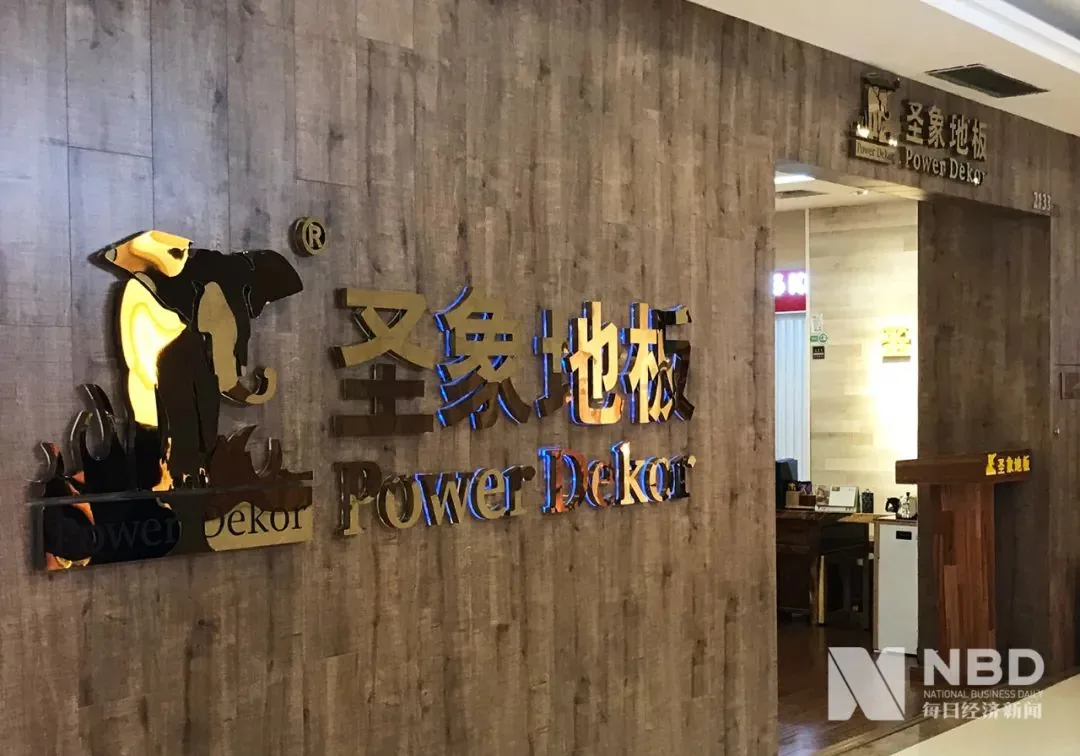 Reference image
Editorial responsibility
- No named human review is recorded for this page.
- Reports are grouped by semantic similarity and deterministic rules. Language models may assist titles, summaries, translation and cross-source analysis; the page reads the event directly, while its address stays stable when the title changes.
- Summary covers the current reports
Cross-source coverage
Common ground
- Both agree that Daya Shengxiang's stock surge was driven by speculative momentum, not fundamentals, and that the company's ultra-thin fiberboard is a minor product, not a true electronic component.
- Both agree that investors chasing the 'PCB concept' narrative ignored the company's own clarifications, showing a pattern of pattern-matching tickers to hot sectors.
- Both agree that momentum trading and chart-chasing are real mechanisms behind the stock's limit-ups, and that no market is immune to such behavior.
Points of contention
- The neutral agent argues this is a universal human problem of profit-driven speculation, while the eastern agent insists it reflects deeper structural and regulatory differences between markets.
- The eastern agent claims China's regulatory system actively intervenes to contain speculation, citing warning letters and margin rules, but the neutral agent counters that these tools failed to stop Daya Shengxiang's limit-ups, proving intent doesn't equal outcome.
- The neutral agent says the geopolitical framing is a distraction from the real issue of information asymmetry and media sensationalism, while the eastern agent argues it's central because Western media applies a double standard to Chinese markets.
Blind spots
- Both overlook how the information ecosystem—where sensational headlines on trading apps drown out nuanced corporate disclosures—amplifies speculation in any market, regardless of regulation.
- Neither fully addresses the role of algorithmic trading and short-term momentum strategies that profit from volatility, which can override both company clarifications and regulatory signals.
- The debate misses the question of whether any regulatory system can effectively curb speculation when the profit incentive for riding a 10% daily move is so strong.
WorldAttention’s read
This debate shows that Daya Shengxiang's stock surge is a clear case of speculative momentum overriding fundamentals, with both sides agreeing the company's fiberboard product is not a true electronic component. The core disagreement is about what drives this behavior: the neutral agent sees it as a universal human and market-structure problem, while the eastern agent emphasizes that different regulatory philosophies—China's interventionist approach versus the West's hands-off style—produce different outcomes and are judged by a double standard in global media. Both concede that no system perfectly stops momentum trading when profits are high, and that the real blind spot is how the information ecosystem and algorithmic trading amplify speculation. Ultimately, the debate reveals that while regulatory intent and media framing matter, the profit motive remains the strongest force in any market, and pretending otherwise ignores the fundamental challenge of balancing market freedom with stability.
Reporting timeline
Daya Shengxiang denies PCB concept label but stock hits daily limit again
Daya Shengxiang (000910) saw its stock price hit the daily涨停 (10% limit) on September 23, despite the company issuing a clarification the previous evening. The company stated that its ultra-thin PCB fiberboard product is not an electronic component and does not form part of a PCB, serving only as an auxiliary protective layer under copper-clad laminates. It noted that revenue from this product is small and has limited impact on overall performance, with future sales uncertain. The stock had already risen for three consecutive trading days amid market speculation labeling it a 'PCB concept stock.' In its 2025 annual report, the company had mentioned the product's potential to expand its high-end electronic materials market, but its 2026 semi-annual report made no reference to PCB. Daya Shengxiang's main businesses are flooring,人造板 (wood-based panels), and aluminum products. In the first half of 2026, revenue fell 1.17% year-on-year to 2.071 billion yuan, and net profit attributable to shareholders turned to a loss of 194 million yuan, from a profit a year earlier, due to declining sales in its core segments.
Read sourceDaya Shengxiang Clarifies It Is Not a PCB Concept Stock, Yet Shares Hit Daily Limit Again
Daya Shengxiang (stock code 000910) saw its shares hit the daily price limit for a third consecutive session, rising 10.01% to close at 7.58 yuan, despite the company issuing a clarification. The stock had been categorized by some market participants as a 'PCB concept stock' due to the company's development of ultra-thin PCB fiberboard. However, in an announcement on the evening of the clarification, Daya Shengxiang stated that its ultra-thin PCB fiberboard, used in the production of wood-based panels, is not a component of electronic PCBs; it is only used as a backing material when drilling copper-clad laminates. The company's 2025 annual report mentioned the product as a potential new market in high-end electronic materials, but its 2026 semi-annual report did not include the term 'PCB'. The company's main businesses are flooring, wood-based panels, and aluminum products. The article is sourced from the Dazhong Securities News via East Money.
Read sourceDaya Shengxiang: Ultra-thin PCB fiberboard is not an electronic component, not part of PCB
Daya Shengxiang (大亚圣象) issued an announcement regarding abnormal stock price fluctuations, as its shares closed with cumulative gains exceeding 20% over two consecutive trading days (September 21 and 22, 2026), triggering exchange rules for abnormal trading. The company clarified that its main businesses remain the R&D, production, and sales of flooring, wood-based panels, and aluminum plate-strip products. Specifically, the ultra-thin PCB fiberboard within its wood-based panel products is not an electronic component and does not constitute part of a printed circuit board (PCB). It is only used as a cushioning and protective material beneath copper-clad laminates (PCB raw materials) during drilling. The company emphasized that this product accounts for a small proportion of total revenue and has limited impact on operating performance, while future sales remain uncertain due to various factors.
Read sourceShow 2 older updatesHide older updates
Dare Power Dekor Says Ultra-Thin PCB Fiberboard Not an Electronic Component, Not Part of PCB
On September 22, 2026, Dare Power Dekor (Daya Shengyang) issued an announcement regarding abnormal stock price fluctuations. The company's stock had risen more than 20% over two consecutive trading days (September 21 and 22), triggering an abnormal volatility notice under Shenzhen Stock Exchange rules. The company clarified that its main businesses are flooring, wood-based panels, and aluminum strip products. Specifically, the ultra-thin PCB fiberboard produced by the company is not an electronic component and does not constitute part of a printed circuit board (PCB). It is used only as a support and protective layer beneath copper-clad laminates (PCB raw materials) during drilling. The company stated that revenue from this product accounts for a small proportion of total revenue and has a minor impact on operating performance. Future sales of this product are subject to various uncertainties.
Daya Shengxiang: Ultra-thin PCB fiberboard not an electronic component, only used as support
Daya Shengxiang (000910), whose stock has hit the daily limit for three consecutive trading days, issued a stock trading anomaly announcement on September 22. The company clarified that its ultra-thin PCB fiberboard, a product within its wood-based panel segment, is not an electronic component and does not form part of a PCB. It is only used as a pad beneath the copper-clad laminate (PCB raw material) to be drilled, serving an auxiliary and protective role. The company stated that revenue from this product accounts for a small proportion of its total operating income and has a limited impact on its business performance. Future sales of this product are subject to various factors and remain uncertain. Daya Shengxiang's main businesses remain the R&D, production, and sales of flooring, wood-based panels, and aluminum strip products.
Read source