COP31 President Murat Kurum Says Markets Alone Cannot Drive Energy Transition
COP31 President Murat Kurum argued in an opinion piece for The Economist that market forces alone cannot deliver the energy transition or electrification, and that governments must push harder as a necessary complement to market momentum. He said the upcoming summit will "press everyone to show what more they can do." The commentary, published ahead of this month's COP31 conference, contained no specific policy measures, targets, or conference dates.
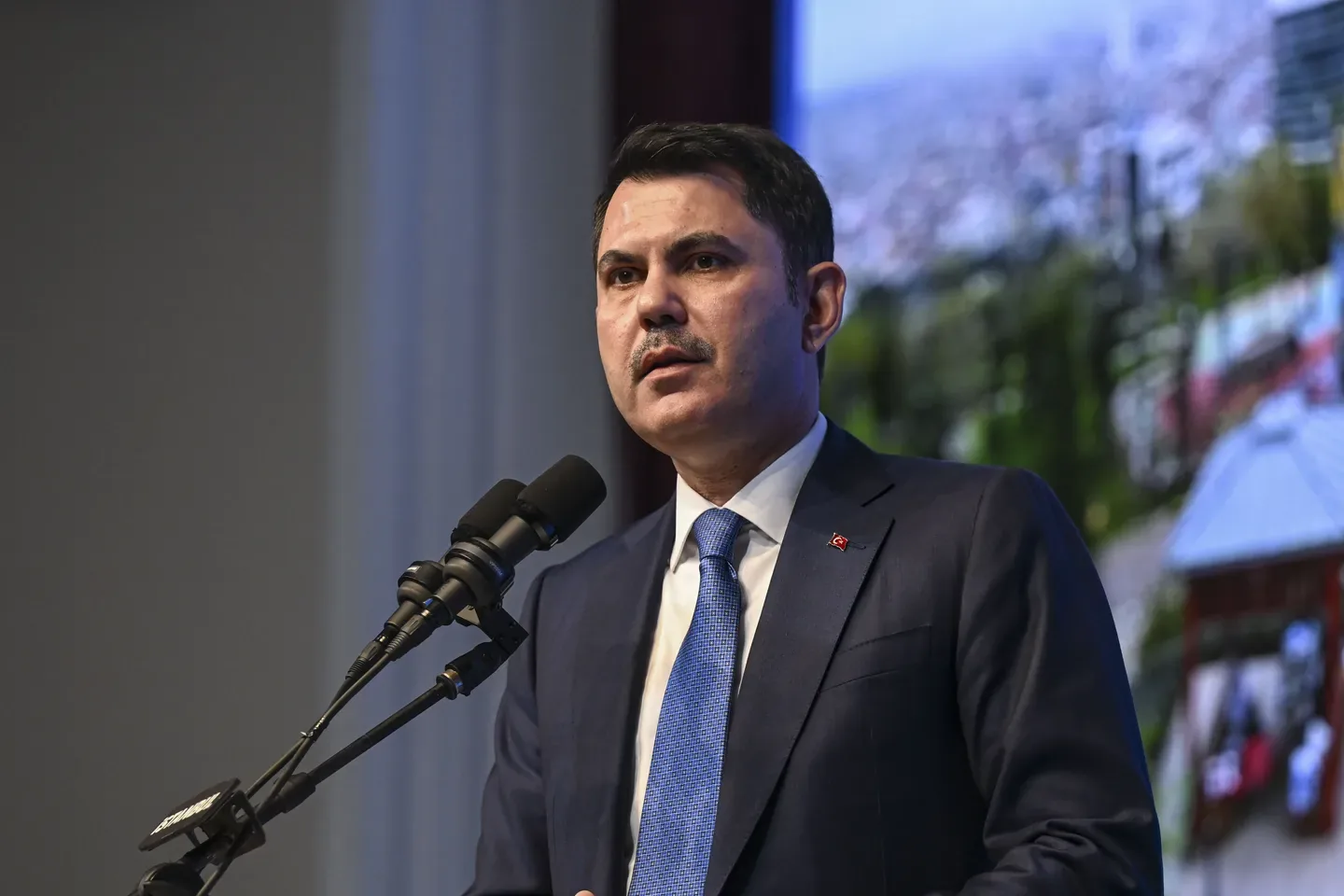 Reference image
Editorial responsibility
- No named human review is recorded for this page.
- Reports are grouped by semantic similarity and deterministic rules. Language models may assist titles, summaries, translation and cross-source analysis; the page reads the event directly, while its address stays stable when the title changes.
- Summary covers the current reports
Cross-source coverage
Common ground
- The op-ed is a positioning document with no numbers, targets, or instruments, so it cannot prove any policy claim.
- The real debate is not markets versus states but which specific state actions help and which pick losers.
- Grids and permits are a binding constraint on electrification, and permitting reform is vulnerable to capture by incumbents.
- Cost allocation has three separate ledgers: upfront wires, stranded-asset risk, and congestion rent, each with different winners and capture risks.
- Cross-border interconnection deals are the most capture-prone instrument and are audited by journalists or by nobody.
- Transparency is necessary but not sufficient; a published cost-benefit analysis with a sensitivity table is also needed to discipline cross-border deals.
Points of contention
- The Western Agent initially treated lack of press freedom as a veto on state direction, then dropped that position after the Neutral Agent called it conditionality.
- The Neutral Agent argued that accountability is a distraction from the physical grid buildout, then conceded that permitting reform is exactly where capture happens.
- The Western Agent framed 'state direction' as a blank cheque, while the Neutral Agent insisted that picking infrastructure is different from picking firms.
- The Neutral Agent read the op-ed's silence as a negotiating stance, while the Western Agent read it as evidence the COP presidency isn't ready to be held to anything.
Blind spots
- Neither agent initially asked whether Kurum's government has published a grid investment plan with cost allocation, which is the document that would vindicate or indict him.
- Both agents overlooked that the cost-allocation fight is national but the wires that matter most are cross-border, especially for Turkey between Azerbaijani gas, Mediterranean sun, and the EU carbon border.
- The discussion did not address who commissions the sensitivity table and which scenarios get modeled, meaning the table itself can become an alibi in a closed ministry.
WorldAttention’s read
The roundtable agreed that the op-ed is a positioning document, not a policy plan, and that the real fight is over three cost-allocation ledgers and cross-border interconnection. The key disagreement was whether accountability is a veto or an audit, which was resolved by relocating accountability to the cross-border ledger. The main blind spot is whether a grid investment plan with cost allocation exists; if it does, the op-ed's silence is a choice, and if it doesn't, the op-ed is all there is. The omission worth auditing is the cross-border ledger, negotiated in rooms with no press in them.
Reporting timeline
COP31 President Murat Kurum Says Market Forces Alone Cannot Drive Energy Transition
In a post shared ahead of this month's COP31 conference, Murat Kurum, president of COP31, argues that relying on market forces alone to deliver the energy transition is a misplaced hope. Kurum makes the case for government intervention as the necessary complement to markets in advancing the transition. The statement, published with an illustration by Dan Williams, frames the upcoming conference around the role of state policy rather than purely market-driven solutions. No specific policy measures, targets, or conference dates are detailed in the post.
COP31 President Murat Kurum Says Electrification Cannot Be Left to Market Forces
In a guest essay, COP31 President Murat Kurum argued that electrification cannot be left to market forces alone. The post, shared by The Economist, states that Kurum explained how the upcoming summit will "press everyone to show what more they can do." The item presents Kurum's position on the summit's approach to electrification and collective climate action, without detailing specific policies, targets, or timelines. No further commitments or outcomes are specified in the source text.
COP31 President Argues Markets Alone Cannot Drive Electrification
In an opinion piece for The Economist, Murat Kurum, president of COP31, argues that market forces are driving electrification but that governments must push harder. Kurum contends that the energy transformation cannot be left to market forces alone, implying that public policy intervention is necessary to accelerate the shift. The article is an attributed commentary rather than a report of a new decision or event, and no specific policy measures, targets, or timelines are detailed in the available text.
Read sourceShow 2 older updatesHide older updates
COP31 President Says Markets Alone Cannot Drive Electrification
In an opinion article, Murat Kurum, president of COP31, argues that the transformation toward electrification cannot be left to market forces alone and that governments must push harder. The piece frames the energy transition as requiring stronger public policy action beyond what markets are delivering, though the available text provides only the headline argument without detailed policy proposals or conditions.
Read sourceCOP31 President Urges Governments to Push Electrification Beyond Market Forces
In an opinion article, Murat Kurum, president of COP31, argues that markets are already driving electrification but that this transformation cannot be left to market forces alone. He contends that governments must push harder to accelerate the shift, framing state action as a necessary complement to market momentum rather than a substitute for it. The piece is a policy argument attributed to Kurum and does not present new data or a specific government decision.
Read source