Chinese small banks' bundled deposit products draw scrutiny over misleading rate displays
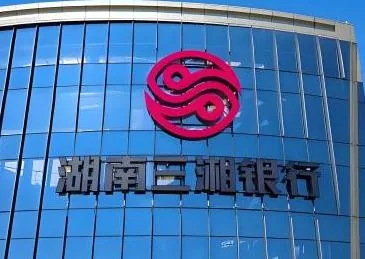
Small and medium-sized Chinese banks are marketing "combination deposit" products that bundle fixed-term deposits of varying maturities, prominently advertising a "maximum interest rate" of up to 2.05% that applies only to a portion of the principal. For example, Hunan Sanxiang Bank's products allocate only 40% of funds to a high-rate 3-year term, with the remainder in lower-yielding short-term deposits earning 1.10%-1.40%. The bank has temporarily suspended sales for an upgrade. Experts warn the marketing may mislead investors and potentially violate upcoming regulations requiring clear disclosure of key terms.
 Reference image
Editorial responsibility
- No named human review is recorded for this page.
- Reports are grouped by semantic similarity and deterministic rules. Language models may assist titles, summaries, translation and cross-source analysis; the page reads the event directly, while its address stays stable when the title changes.
- Summary covers the current reports
Cross-source coverage
Common ground
- All agree that the blended return of these combined deposit products is around 1.6% to 1.7%, which is competitive with standard time deposits.
- Everyone supports clearer disclosure of the actual blended interest rate to help depositors understand what they will earn.
- There is agreement that small banks face structural challenges competing with state-owned giants for deposits.
Points of contention
- The Regional Agent sees the product as exploitation of vulnerable depositors, while the Eastern Agent views it as legitimate market innovation.
- The Eastern Agent argues Chinese regulators were proactive and the pause was procedural, but the Regional and Neutral Agents say it was reactive damage control after media scrutiny.
- The Regional Agent invokes colonial legacy and structural power imbalances, while the Eastern Agent dismisses this as historically inaccurate and irrelevant to current regulation.
Blind spots
- The debate largely ignored how financial literacy varies by age and region, especially among rural elderly depositors who may be most affected.
- Neither side examined whether the product's competitive blended rate actually serves a useful purpose for small banks beyond marketing gimmicks.
- The discussion missed the role of digital marketing and social media in amplifying misleading headline rates to less sophisticated audiences.
WorldAttention’s read
The core issue is not whether combined deposits are good or bad, but that their marketing hides the real blended return behind a flashy headline rate. The product itself offers a competitive 1.6-1.7% return, similar to standard deposits, so it's not predatory—but the way it's sold exploits the gap between what's legally disclosed and what depositors actually understand. The fix is straightforward: require the effective annual percentage yield to be shown in the same font, color, and size as the headline rate, with no asterisks or footnotes. If the product can't survive that transparency, it shouldn't exist. The broader arguments about Chinese exceptionalism, colonial legacy, or Western comparisons are distractions from this simple disclosure problem.
Reporting timeline
Chinese small banks' bundled deposit products draw scrutiny over misleading rate displays
A new type of bundled deposit product, known as 'combination deposits' or 'one-click deposit' plans, is gaining attention among small and medium-sized Chinese banks. These products package fixed-term deposits of varying maturities, prominently advertising a 'maximum interest rate' of up to 2.05%. However, this top rate applies only to a portion of the principal (e.g., 40% in a 3-year term), while the remainder is placed in shorter-term deposits with lower rates (1.10%-1.40%). Analysts and experts quoted in the article, including Shi Shuo from Fudan University and Su Xiaorui from Suxi Zhiyan, warn that such marketing may mislead investors by obscuring the actual blended yield. The People's Bank of China's new regulations on financial product marketing require clear and prominent disclosure of key terms. One bank, Hunan Sanxiang Bank, has temporarily suspended its 'Combination Deposit' product for an upgrade. Experts predict that while other small banks may follow suit, widespread adoption is unlikely due to regulatory risks and the limited appeal for larger state-owned banks, which have more stable funding sources. The article advises depositors to focus on the actual comprehensive return rather than the advertised maximum rate.
Read sourceChinese Small Banks' 'Combined Deposit' Products Face Scrutiny Over Misleading Rate Displays
A trend among Chinese small banks of offering 'combined deposit' products, which package fixed-term deposits of varying maturities, is drawing regulatory and consumer attention. The controversy centers on banks prominently advertising a 'maximum interest rate' (e.g., 2.05%) that applies only to a portion of the deposit, while the overall blended yield is lower. For example, Hunan Sanxiang Bank's 'Zunxiang' product allocated only 40% of funds to a high-rate 3-year term, with the remainder in lower-rate short-term deposits. The bank has since paused sales for an 'upgrade.' Experts, including Fudan University's Shi Shuo and analyst Su Xiaorui, warn that such marketing can mislead depositors into expecting the headline rate on their entire deposit. They advise consumers to focus on the actual weighted average return and contract terms. The article notes that while such products help smaller banks attract deposits, their widespread adoption is unlikely due to regulatory tightening and the risk of reputational damage.
Read sourceChinese Small Banks' 'Combined Deposit' Products Draw Scrutiny Over Misleading Rate Displays
A financial product known as 'combined deposits' (组合存款), which packages fixed-term deposits of varying maturities into a single offering, has gained attention among small and medium-sized Chinese banks. The products are marketed with a 'maximum interest rate' of up to 2.05%, but this rate applies only to a portion of the deposited funds, typically a 3-year term making up 40% of the package, while the remainder earns lower rates between 1.10% and 1.40%. This marketing practice has drawn criticism from analysts who say it misleads investors by implying the high rate applies to the entire deposit. The article notes that Hunan Sanxiang Bank has temporarily suspended its 'Combined Deposit' product for an upgrade. Experts quoted, including Fudan University researcher Shi Shuo and analyst Su Xiaorui, warn that such products may violate upcoming regulations requiring clear and prominent disclosure of key terms. They advise depositors to focus on the actual blended yield rather than advertised maximum rates. The report suggests that while other small banks may adopt similar products, widespread adoption is unlikely due to regulatory tightening and the limited appeal of complex deposit structures for larger state-owned banks.
Read sourceShow 2 older updatesHide older updates
Small Chinese Banks' 'Combination Deposit' Products Draw Scrutiny Over Misleading Rate Displays
An article from International Financial News reports that 'combination deposit' products, which bundle fixed-term deposits of varying maturities, are gaining attention in China's small banking sector. The controversy centers on banks prominently advertising a 'maximum interest rate' (e.g., 2.05%) that applies only to a portion of the deposit, potentially misleading consumers. For example, Hunan Sanxiang Bank's 'Zunxiang' and 'Zungui' products offer a 2.05% rate on a 3-year deposit that constitutes only 40% of the total, with the remainder in lower-yielding short-term deposits. The bank has since paused sales for an 'upgrade.' Experts interviewed, including Shi Shuo from Fudan University and Su Xiaorui from Suxi Zhijian, warn that such marketing may violate upcoming regulations requiring clear disclosure of conditions and actual blended yields. They advise depositors to focus on the comprehensive return rather than headline rates. The analysis suggests these products are a niche strategy for smaller banks facing deposit competition, but widespread adoption is unlikely due to regulatory and reputational risks.
Read sourceSmall Chinese Banks' 'Combination Deposit' Products Draw Scrutiny Over Misleading Rate Displays
An article from International Financial News reports that small and medium-sized Chinese banks are marketing 'combination deposit' products, which bundle fixed-term deposits of varying maturities, by prominently displaying a 'maximum interest rate' (up to 2.05%) that applies only to a portion of the principal. This practice has sparked controversy for potentially misleading investors. The article cites the case of Hunan Sanxiang Bank, which offered a 2.05% rate on a 3-year deposit that comprised only 40% of the bundled product, with the remainder in lower-yielding short-term deposits. The bank has since paused sales for an 'upgrade.' Experts quoted, including Shi Shuo from Fudan Development Institute and Su Xiaorui from Suxi Zhiyan, warn that such marketing may violate upcoming regulations requiring clear disclosure of conditions and actual comprehensive yields. They advise depositors to focus on the weighted average return rather than the advertised maximum. The article notes that while such products help smaller banks attract deposits, they are unlikely to be adopted by large state-owned banks due to their stable funding bases, and regulatory scrutiny may limit their proliferation.