China Real Estate Industry Loss Narrows in H1 2026; New Policy to Widen Developer Divergence
A September 23, 2026 research report from China Securities Co., Ltd. (CSC) shows that 157 listed Chinese real estate developers posted total revenue of 1.1787 trillion yuan in H1 2026, down 19% year-on-year, with a net loss of 79.1 billion yuan, narrowing by 23.4 billion yuan. The top 10 developers by net profit, including China Resources Land and Sun Hung Kai Properties, reported combined net profit of 50.7 billion yuan, up 18% year-on-year. The report forecasts that the "828 New Policy" will widen divergence among developers.
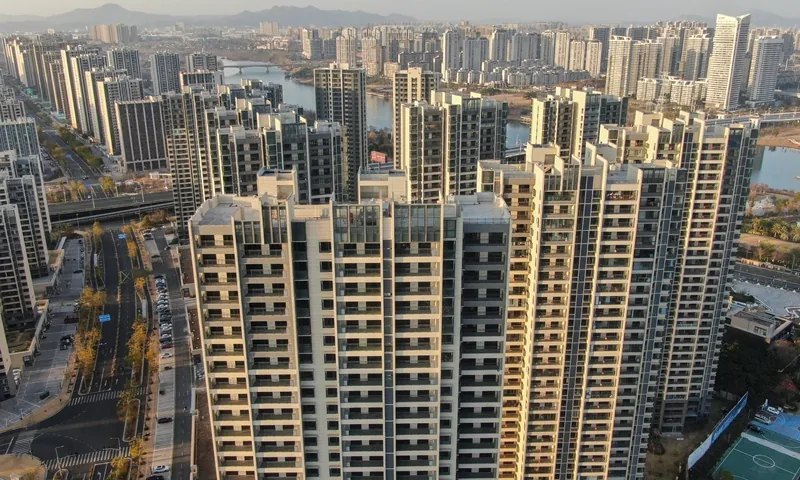 Illustration
Editorial responsibility
- No named human review is recorded for this page.
- Reports are grouped by semantic similarity and deterministic rules. Language models may assist titles, summaries, translation and cross-source analysis; the page reads the event directly, while its address stays stable when the title changes.
- Summary covers the current reports
Cross-source coverage
Reporting timeline
Citic Securities: Real Estate Sector Losses Narrow in H1 2026; New Policy Expected to Widen Developer Divergence
A September 23 research report from Citic Securities on the Chinese real estate development industry's 2026 interim results reveals that 157 listed developers posted total revenue of 1.1787 trillion yuan in the first half of 2026, a 19% year-on-year decline. The sector recorded a net loss of 79.1 billion yuan, narrowing by 23.4 billion yuan compared to the same period last year, supported by improving gross margins and reduced impairment and expense charges. The top ten profit-making developers, including China Resources Land and Sun Hung Kai Properties, reported a combined net profit attributable to shareholders of 50.7 billion yuan, up 18% year-on-year. The report notes that leverage remains stable and cash flows are improving, with the decline in top-100 developer sales narrowing in the first eight months of the year. It forecasts that the '828 New Policy' will further widen the divergence among developers, and recommends focusing on high-quality enterprises in Hong Kong, commercial real estate, and core cities.
Read sourceCitic Securities: China Property Sector Loss Narrows in H1 2026; New Policies to Widen Developer Divergence
A research report from Citic Securities (CITIC) on the 2026 first-half results for China's real estate development industry indicates that overall losses narrowed and the decline in revenue slowed compared to the prior period. Some high-quality developers, such as Vanke and Poly Developments, maintained stable performance due to capital advantages and operational efficiency. However, industry divergence intensified, with small and medium-sized developers still facing sales pressure and unresolved debt risks. The report attributes recent policy measures—including the 'recognition of housing without loan record', cuts to existing mortgage rates, and optimization of purchase restrictions in core cities—as providing short-term support for market confidence. Over the long term, these policies are expected to accelerate industry consolidation and widen the gap in credit and operational capability among developers. The report forecasts a possible marginal recovery in sales in the second half of 2026, but notes that investment-side recovery remains dependent on the effectiveness of policy implementation and the restoration of household expectations.
Read sourceCSC Research: Developer losses narrow; new policies to widen firm divergence
A research report from China Securities Co., Ltd. (CSC) analyzes the financial performance and outlook of Chinese real estate developers. The report finds that losses among 157 listed developers narrowed in the first half of the year, driven by improved gross margins, reduced impairment, and lower expense ratios. The top 10 developers by net profit, including China Resources Land, Sun Hung Kai Properties, and Longfor Group, saw a combined 18% year-on-year increase in net profit, demonstrating stronger earnings resilience. The industry's leverage remained stable, and cash flow improved as developers controlled spending, accelerated sales collections, and monetized existing assets. However, sales and investment intensity declined in the first eight months, with the top 10 developers increasing their market share. The report argues that the '828 New Deal' will reshape the foundational real estate system, likely widening performance, financial, and investment divergence among developers. CSC recommends focusing on three tracks: Hong Kong developers (e.g., Sun Hung Kai Properties), commercial property operators (e.g., China Resources Land, Swire Properties), and core-city developers with quality land reserves (e.g., China Overseas Land & Investment, Greentown China). Risks include weaker-than-expected sales, project delays, credit repair failures, and macroeconomic volatility.
Read sourceShow 3 older updatesHide older updates
CSC Research Sees Profit Divergence, Favors Hong Kong, Commercial, Core City Developers
A research report from China Securities Co. (CSC), published on Tencent Stock via Jinwu Finance, forecasts that the overall development industry will see a 19% year-on-year revenue decline in the first half of 2026, with total losses narrowing to 791 billion yuan from a larger loss a year earlier. The improvement is attributed to rising gross margins, narrower impairment provisions, and lower expense ratios. The top 10 developers by profit, primarily those focused on Hong Kong, commercial real estate, and core city development, are expected to see a combined 18% increase in net profit attributable to parent companies, demonstrating stronger earnings resilience. The report notes stable leverage levels and improved cash flow across the industry due to controlled spending, faster sales collections, and asset revitalization. For the first eight months of the year, sales declines among the top 100 developers narrowed, while investment intensity weakened. The August 28 policy reform is expected to further widen performance and financial divergence among developers. CSC continues to favor high-quality companies in the Hong Kong, commercial, and core city development tracks.
Read sourceCITIC Securities Bullish on Hong Kong, Commercial, Core City Real Estate Firms
A research report from CITIC Securities, published on Tencent Stock via Jinwu Finance, forecasts that the overall development industry will see a 19% year-on-year decline in revenue in the first half of 2026, with a total net loss of 79.1 billion yuan, narrowing by 23.4 billion yuan from the previous year. This improvement is attributed to rising gross margins, reduced impairment losses, and lower expense ratios. The top ten most profitable firms, primarily leaders in Hong Kong, commercial, and core city development sectors, saw their aggregate net profit attributable to shareholders rise 18% year-on-year, demonstrating stronger earnings resilience. The industry's leverage remains stable, and cash flows have improved due to controlled development spending, accelerated sales collections, and asset revitalization. Top-tier developers maintain financing advantages. In the first eight months, sales declines among the top 100 developers narrowed, while investment intensity weakened. The '828 New Deal' is expected to reshape real estate fundamentals, increasing divergence in performance, financial health, sales, and investment. CITIC Securities continues to favor high-quality firms in the Hong Kong, commercial, and core city tracks.
China Real Estate Industry Loss Narrows in H1 2026; New Policy to Widen Developer Divergence
According to a September 23, 2026 research report by China Securities Co., Ltd. (CSC) analyst Zhu Jin, the Chinese real estate development industry recorded a total net loss of 79.1 billion yuan in the first half of 2026, narrowing by 23.4 billion yuan year-on-year. Total revenue for 157 listed developers fell 19% to 1.1787 trillion yuan. The loss reduction was supported by improved gross margins, narrower impairment provisions, and lower expense ratios. The top 10 profit-generating developers—including China Resources Land, Sun Hung Kai Properties, and Longfor Group—saw aggregate net profit attributable to shareholders rise 18% year-on-year to 50.7 billion yuan, demonstrating stronger earnings resilience. Industry leverage remained stable, with asset-liability and interest-bearing debt ratios unchanged from end-2025. Cash flow improved as developers controlled spending, accelerated sales collections, and monetized existing assets. In the first eight months of 2026, top 100 developers' sales fell 15% year-on-year, a narrower decline than in 2025, while land acquisition dropped 25%. The report forecasts that the '828 New Policy' will reshape fundamental real estate systems, likely widening performance, financial, and sales divergence among developers. CSC recommends focusing on developers in Hong Kong, commercial real estate, and core city development tracks. Risks include weaker-than-expected sales, delayed project completions, and slower credit recovery for highly leveraged private firms.