Chinese panel makers cut October output as AI demand drives up costs, weakens TV orders
Major Chinese panel makers BOE, TCL CSOT, and HKC will cut production during the October National Day holiday, as surging AI demand crowds out upstream materials, raising TV panel costs by 4-7% quarter-on-quarter in Q4 2026. TV panel demand is forecast to drop 4% quarter-on-quarter. TrendForce estimates large-generation fab utilization will fall to 79.6% in October.
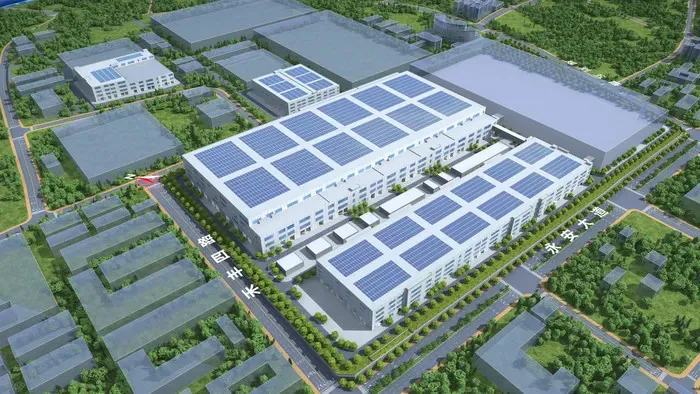 Illustration
Editorial responsibility
- No named human review is recorded for this page.
- Reports are grouped by semantic similarity and deterministic rules. Language models may assist titles, summaries, translation and cross-source analysis; the page reads the event directly, while its address stays stable when the title changes.
- Summary covers the current reports
Cross-source coverage
Common ground
- Chinese panel makers' production cut is a strategic move to stabilize prices and protect margins, not a sign of weakness.
- Western media applies double standards, criticizing Chinese firms for both overcapacity and production cuts.
- Chinese firms have legitimately climbed the value chain and now control 70% of global TV panel supply.
- The debate highlights a tension between strategic realism and moral concerns about human impact.
Points of contention
- Whether the production cut is market stewardship or cartel-like price-fixing.
- Whether Chinese firms are building a new multipolar order or just swapping one hegemon for another.
- Whether stable pricing helps or hurts consumers and small businesses in the Global South.
- Whether the focus should be on Chinese dominance or on the lack of voice for workers and emerging economies.
Blind spots
- The debate largely ignores the immediate human cost for factory workers facing reduced hours and pay.
- There is little discussion of how small electronics assemblers and repair shops in the Global South are affected by price changes.
- The assumption that emerging market demand will eventually scale up ignores current hardships in places like Karachi and Nairobi.
- The conversation treats coordinated production cuts as normal without fully addressing anti-competitive implications.
WorldAttention’s read
This debate shows that Chinese panel makers are acting strategically to protect their dominant market position, but there is no agreement on whether this is smart leadership or market manipulation. Both sides agree Western media applies unfair double standards, but they clash over whether the real issue is Chinese power or the lack of a voice for workers and the Global South. The blind spots are the immediate human costs of production cuts and the assumption that future demand will solve current problems. Ultimately, the discussion reveals a world where a few powerful corporations make decisions affecting billions, and the challenge is to build an economy that serves people, not just national leverage.
Reporting timeline
TrendForce: Panel Makers to Cut October Output as Costs Rise, Demand Weakens
According to TrendForce's latest panel industry research, rising AI demand is crowding out upstream materials for the panel industry, which is forecast to increase total TV panel costs by 4% to 7% quarter-on-quarter in Q4 2026. Simultaneously, downstream customer cost pressure is rising, and peak season stocking ended in Q3, so Q4 TV panel demand is expected to drop 4% quarter-on-quarter. In response to rising costs and weakening demand, major Chinese panel makers BOE, TCL CSOT, and HKC have decided to implement production cuts during the October National Day holiday. TrendForce estimates that the utilization rate for Gen 5 and above large-generation lines will fall by 4.2 percentage points month-on-month to 79.6% in October. The three Chinese panel makers now account for 70% of global TV panel supply. The report notes that IT panel demand also slowed in the second half of 2026 due to early stocking. The manufacturers are prioritizing profit stability over market share, and their production cuts aim to reduce inventory risk and stabilize panel prices in Q4.
Read sourceTrendForce: Panel Makers to Cut Output in October as Costs Rise, Demand Weakens
According to TrendForce's latest panel industry research, strong AI demand is crowding out upstream materials, which is expected to increase total TV panel costs by 4% to 7% quarter-on-quarter in Q4 2026. Simultaneously, downstream customer cost pressure is rising, and peak season stocking ended in Q3, leading to a forecast 4% sequential decline in TV panel demand. In response, major Chinese panel makers BOE, TCL CSOT, and HKC have decided to implement production cuts during the October National Day holiday. TrendForce estimates that the utilization rate for Gen 5 and above large-generation lines will fall by 4.2 percentage points month-on-month to 79.6% in October. The three Chinese panel makers now control 70% of global TV panel supply. Their strategy is to prioritize profitability and price stability over market share, given the weakening demand environment. The report details specific planned downtime for backend assembly lines at various factories, with front-end production also reduced accordingly to balance supply and demand.
Read sourceTrendForce: Panel Makers to Cut Output as AI Demand, Weak Orders Raise Costs
According to TrendForce's latest panel industry research, surging AI demand is crowding out upstream material capacity, which is expected to push total TV panel costs up by 4% to 7% quarter-on-quarter in the fourth quarter of 2026. Simultaneously, downstream client cost pressures are mounting, and the peak stocking season ended in the third quarter, leading to a forecasted 4% quarter-on-quarter decline in TV panel unit demand for Q4. In response to these dual pressures of rising costs and weakening demand, major Chinese panel makers BOE, TCL CSOT, and HKC have each decided to implement production cuts during the National Day holiday in early October. TrendForce estimates that the utilization rate for Gen 5 and above large-generation fabs will drop by 4.2 percentage points month-on-month to 79.6% in October.
Read sourceShow 3 older updatesHide older updates
TrendForce: Panel Makers to Cut October Output to 79.6% on Cost, Demand Pressures
According to a September 21 report from Blue Whale News citing TrendForce's latest panel industry research, the display panel sector faces a dual challenge of rising costs and weakening demand. Driven by surging AI demand, upstream material capacity is being squeezed, which is forecast to increase total TV panel costs by 4% to 7% quarter-on-quarter in the fourth quarter of 2026. Simultaneously, as downstream customer cost pressures mount and peak season stocking ended in the third quarter, TV panel demand (in units) is expected to decline 4% quarter-on-quarter in Q4. In response, major Chinese panel makers BOE, TCL CSOT, and HKC have decided to implement production cuts during the National Day holiday in early October. TrendForce estimates that the utilization rate for Gen 5 and above large-generation lines will fall by 4.2 percentage points month-on-month to 79.6% in October.
Read sourceTrendForce: Panel Makers to Cut Output as Costs Rise, Demand Weakens in Q4
According to a September 21 report from financial news outlet 财联社, citing TrendForce's latest panel industry research, the global large-generation panel market is facing a dual challenge of rising costs and weakening demand. Driven by strong AI demand, upstream material supply for the panel industry is being squeezed, which is forecast to push total TV panel costs up by 4% to 7% quarter-on-quarter in the fourth quarter of 2026. At the same time, as downstream customers face increased cost pressure and peak season stocking ended in the third quarter, TV panel demand (in units) is expected to decline by 4% quarter-on-quarter in Q4. In response, major Chinese panel makers BOE, TCL CSOT, and HKC have decided to implement production cuts during the National Day holiday in early October. TrendForce estimates that the utilization rate for generation 5 and above large-generation fabs will drop by 4.2 percentage points month-on-month to 79.6% in October.
TrendForce: Cost Pressure and Weakening Demand to Cut Large Panel Utilization to 79.6% in October
According to a TrendForce report cited by East Money, capacity constraints in upstream materials for the panel industry are expected to push total TV panel costs up by 4% to 7% quarter-on-quarter in Q4 2026. Simultaneously, downstream customer cost pressures are rising, and the peak stocking season ended in Q3, leading to a forecasted 4% quarter-on-quarter decline in TV panel demand (by units). Facing these dual pressures of rising costs and weakening demand, BOE (Beijing Oriental Electronics) and other major panel makers are expected to reduce large-generation panel utilization rates to 79.6% in October. The report highlights a challenging near-term outlook for the display panel industry.
Read source