Feitian Moutai wholesale price rises to 1,740 yuan as Mid-Autumn sales shift to e-commerce and gift items
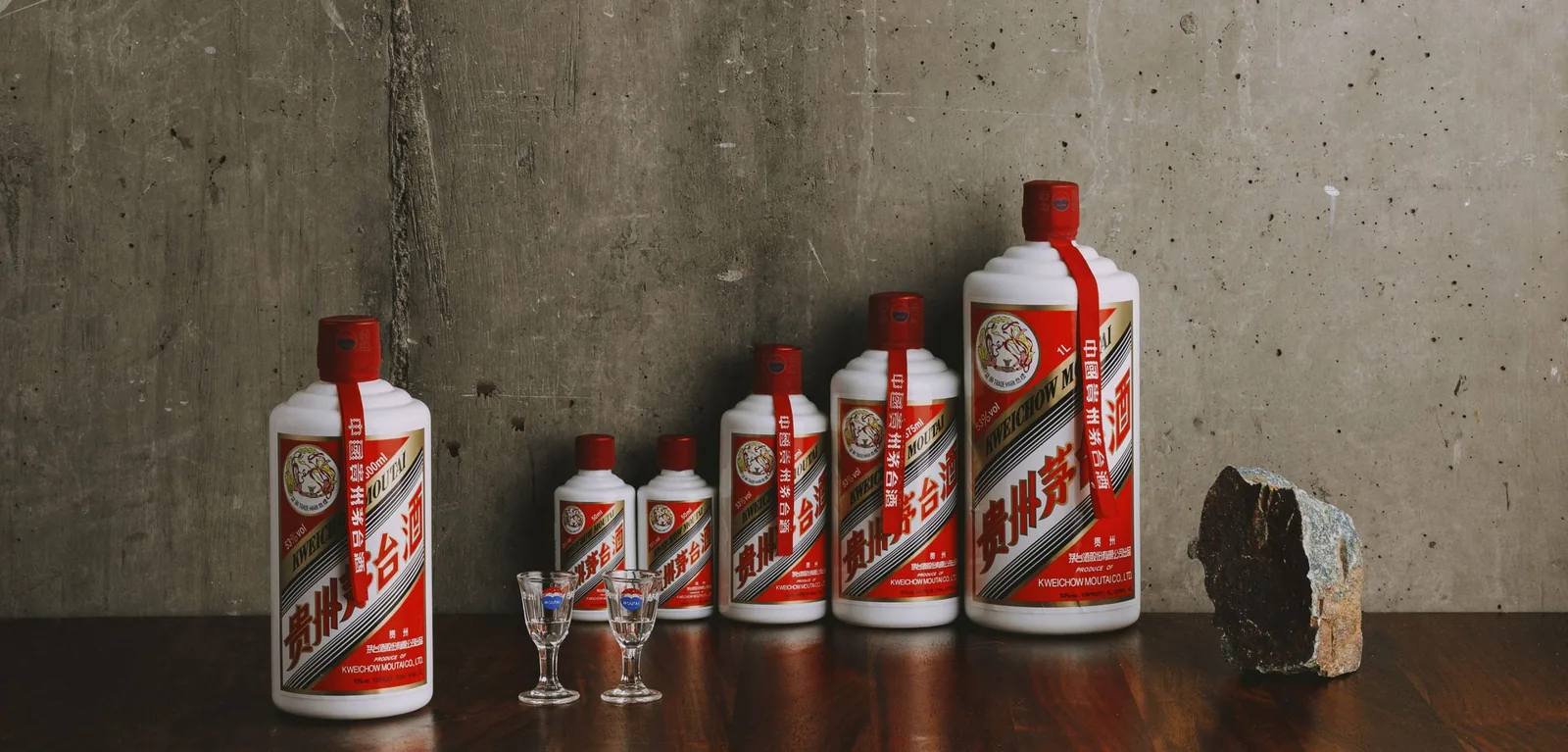
During China's 2024 Mid-Autumn Festival, Feitian Moutai's wholesale price rose from 1,715 to 1,740 yuan per bottle between September 1 and 24, according to pricing platform Jinri Jiujia. However, traditional liquor distributors reported flat or declining holiday orders as sales shifted to e-commerce, direct stores, and supermarkets like Hema and Sam's Club. Store owner Chen Xin in Hunan noted that gift items such as hairy crabs, tea, and tonics now account for half his holiday sales, compensating for weaker liquor demand. Consumers increasingly favor vintage-dated bottles and smaller formats for self-drinking.
 Illustration
Editorial responsibility
- No named human review is recorded for this page.
- Reports are grouped by semantic similarity and deterministic rules. Language models may assist titles, summaries, translation and cross-source analysis; the page reads the event directly, while its address stays stable when the title changes.
- Summary covers the current reports
Cross-source coverage
Common ground
- The premium baijiu market is undergoing a structural shift, not a collapse, driven by changing consumer habits and distribution channels.
- Second-tier brands like Yanghe and Wuliangye face real pressure, while Moutai remains relatively stable due to its unique cultural and state-backed status.
- Generational change is affecting how young Chinese celebrate and gift, moving away from traditional baijiu rituals toward digital and diversified options.
- State intervention through platforms like iMoutai plays a significant role in stabilizing Moutai's price, though opinions differ on whether this is healthy.
- The debate itself shows that China's consumption story can withstand close scrutiny, unlike more volatile Western luxury markets.
Points of contention
- Whether Moutai's 1.46% price increase during peak season is a sign of stability or a ceiling on demand.
- Whether iMoutai is a smart state-backed price stabilization tool or a price-fixing mechanism that masks underlying problems.
- Whether the shift to selling hairy crabs alongside baijiu is smart diversification or a survival tactic by struggling retailers.
- Whether the premium baijiu market is 'evolving' healthily or undergoing a 'managed decline' with hidden capital destruction for households.
- Whether Western market theory can be applied to China's unique social and cultural logic around baijiu as a relationship medium.
Blind spots
- The human and cultural loss as traditional neighborhood liquor stores disappear and gift-giving rituals change among younger generations.
- The potential for hidden wealth destruction in Chinese households that bought baijiu as a store of value, as speculative premiums deflate.
- The geopolitical double standard where Western analysts celebrate state intervention in their own markets but criticize it in China.
- The colonial legacy in both Western and post-colonial analytical frameworks that fail to capture China's unique blend of state management and market forces.
- The long-term implications for the entire premium baijiu ecosystem if Moutai's state-backed stability isolates it from the struggles of second-tier brands.
WorldAttention’s read
The Mid-Autumn liquor market story is not a simple crisis or triumph, but a complex transition. Moutai's price stability at 1,740 yuan reflects both state-backed management and a ceiling on speculative demand, while second-tier brands face real contraction. The rise of e-commerce, smaller bottles, and gift bundles like hairy crabs shows a maturing consumer base, but also signals a loss of traditional social rituals and potential wealth erosion for households that treated baijiu as an investment. The debate reveals that neither Western market theory nor state sovereignty rhetoric fully captures what's happening—China's consumption story is robust enough to withstand scrutiny, but the underlying shifts in generational behavior and capital allocation are real and will shape the market's future. Ultimately, the market is adapting, not dying, but the adaptation comes with costs that are often overlooked in the focus on Moutai's headline numbers.
Reporting timeline
Mid-Autumn Liquor Sales Shift: Feitian Maotai Rises to 1,740 Yuan, Store Owners Rely on Hairy Crabs
A report from Time Weekly, republished by NetEase Finance, examines changing liquor sales patterns during China's Mid-Autumn Festival. Feitian Maotai, a key gift item, saw its wholesale price rise from 1,715 yuan/bottle on September 1 to 1,740 yuan/bottle by September 24, according to price platform 'Jinri Jiujia'. Retail prices at Hema and liquor chain stores also increased slightly. However, traditional liquor distributors reported flat or declining holiday orders, as sales shift to e-commerce, direct stores, and supermarkets like Sam's Club and Hema. Store owner Chen Xin in Hunan noted that gift items like hairy crabs, tea, and tonics now account for half his holiday sales, compensating for weaker liquor demand. The article also notes rising demand for vintage liquors and smaller bottles for self-drinking or small gatherings, with Sam's Club adjusting its product mix accordingly. Industry analysts expect no major price drop post-holiday due to reduced gift demand and distillery support for inventory digestion.
Mid-Autumn liquor sales shift: Feitian Moutai rises to 1,740 yuan, tobacco shops rely on hairy crabs
A report from Time Weekly, republished by NetEase Finance, examines changes in China's liquor market during the Mid-Autumn Festival. While high-end baijiu like Feitian Moutai remains a 'hard currency' for gifting, with wholesale prices rising from 1,715 to 1,740 yuan per bottle from September 1 to 24, traditional liquor distributors are seeing flat or declining orders. Retailers like Chen Xin, a tobacco and liquor shop owner in Hunan, report that half of his holiday sales confidence comes from complementary gift items such as hairy crabs, tea, and tonics. The article notes that sales channels are fragmenting: e-commerce, direct stores, and membership warehouses like Sam's Club and Hema are diverting business from traditional dealers. Consumer preferences are also shifting toward vintage-dated bottles and smaller formats for self-drinking or small gatherings. Sam's Club has reduced prices on 750ml bottles of Yanghe Dream Blue to clear inventory, citing consumer preference for 500ml bottles. Industry analysts suggest that increased supply from Moutai via its iMoutai app and other channels is stabilizing prices, and that post-holiday price drops are unlikely to be severe due to reduced gift demand and distillery support for inventory digestion.
Read sourceMid-Autumn liquor sales shift: Feitian Moutai rises to 1,740 yuan, stores rely on hairy crabs
A report from The Times Weekly, published on Tencent Stock, examines changes in the Chinese liquor market during the Mid-Autumn Festival. While Feitian Moutai remains a 'hard currency' with its wholesale price rising from 1,715 yuan to 1,740 yuan per bottle between September 1 and 24, traditional liquor distributors are seeing flat or declining orders. Store owner Chen Xin notes that gift items like hairy crabs, tea, and tonics now provide half his seasonal revenue. The article observes that sales channels are shifting from traditional dealers to e-commerce, direct stores, and supermarkets like Hema and Sam's Club. Consumers are increasingly price-sensitive, favoring smaller bottle sizes for self-drinking or small gatherings. Sam's Club has reduced prices on 750ml products to clear inventory. Liquor makers like Yanghe are offering cash rebates for bottle opening to stimulate consumption. Analysts cited in the report suggest that Moutai's price stability is supported by i茅台's inventory management, and that post-holiday price drops are unlikely due to reduced gift demand and manufacturer inventory support.
Read sourceShow 2 older updatesHide older updates
Mid-Autumn liquor sales shift as Feitian Moutai rises to 1,740 yuan, stores rely on hairy crabs
Ahead of the Mid-Autumn Festival, the liquor market in China shows mixed signals. Feitian Moutai, a key gift item, saw its wholesale price rise from 1,715 yuan to 1,740 yuan per bottle between September 1 and 24, according to price platform 'Jinri Jiujia'. Retail prices at chains like Hema and local liquor stores also increased slightly. However, traditional liquor distributors report flat or declining holiday orders, as sales shift to e-commerce, direct stores, and supermarkets like Sam's Club. Consumers are increasingly price-sensitive and favor smaller bottle sizes for self-drinking or small gatherings. To compensate, some liquor store owners, like Chen Xin in Hunan, have diversified into gift items such as hairy crabs, tea, and tonics, which now account for a significant portion of holiday sales. Industry analysts note that Moutai's official platform iMoutai acts as a price buffer, adjusting supply to stabilize prices. Post-holiday, prices are not expected to drop sharply due to reduced gift demand and inventory support from distilleries.
Read sourceMid-Autumn Liquor Sales Shift: Feitian Moutai Rises to 1,740 Yuan, Hairy Crab Helps Dealers
A report from East Money News, citing the Times Weekly, analyzes changes in the Chinese liquor market during the 2024 Mid-Autumn Festival. While traditional dealers report flat sales, the market for premium baijiu remains active. Feitian Moutai, a key gift item, saw its wholesale price rise from 1,715 yuan to 1,740 yuan per bottle between September 1 and 24, with retail prices at stores like Hema reaching 1,828 yuan. The article notes that sales channels are shifting, with e-commerce, direct stores, and supermarkets like Sam's Club and Hema capturing demand from traditional liquor merchants. Consumers are increasingly price-sensitive and focused on vintage years. Dealers like Chen Xin report that gift items such as hairy crab, tea, and tonics now account for a significant portion of their holiday sales, providing a buffer against weaker liquor-only orders. Analysts cited in the report suggest that Moutai's pricing is being stabilized by the iMoutai platform, which adjusts supply based on demand. The article forecasts that post-holiday liquor prices will not drop sharply due to reduced gift demand and distillery support for inventory digestion.
Read source