Chinese panel makers cut output, raise prices as global LCD utilization falls to 80%
Major Chinese LCD panel makers BOE, TCL CSOT, and HKC are raising TV panel prices and cutting production during the National Day holiday, despite weak demand. Global display panel utilization is expected to drop to 80% in October, down 3 percentage points from September, as manufacturers aim to halt price declines. The price hikes are driven by rising upstream costs, including a 15% increase in glass substrate prices from Corning. The three firms control about 70% of global TV LCD supply.
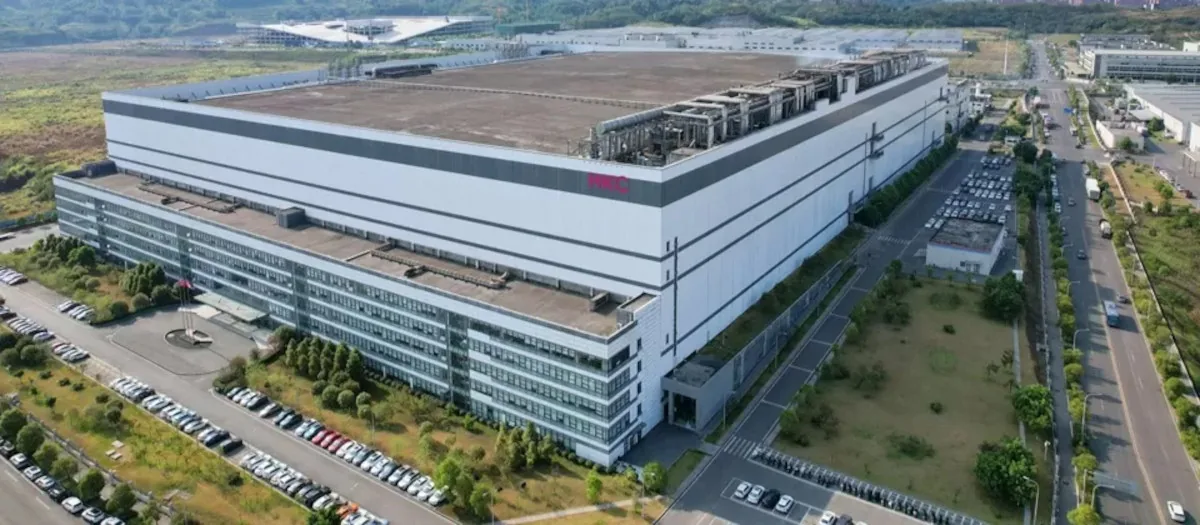 Reference image
Editorial responsibility
- No named human review is recorded for this page.
- Reports are grouped by semantic similarity and deterministic rules. Language models may assist titles, summaries, translation and cross-source analysis; the page reads the event directly, while its address stays stable when the title changes.
- Summary covers the current reports
Cross-source coverage
Common ground
- All sides agree that Chinese panel makers now control over 70% of the global LCD TV panel market, giving them significant pricing power.
- There is agreement that historical double standards exist—Western media and regulators treated similar actions by Samsung and LG differently than they treat Chinese companies today.
- Everyone acknowledges that the strategy of cutting production while raising prices is a coordinated move, not just random market behavior.
- All participants recognize that the debate is about more than just panel prices—it touches on global trade rules, economic sovereignty, and who gets to define 'rational' market behavior.
Points of contention
- The Neutral Agent argues the production cuts are a defensive retreat, while the Eastern Agent sees them as a sign of strategic strength and market leadership.
- The Regional Agent frames China's actions as part of a Global South challenge to Western-dominated trade rules, but the Neutral Agent says China is too powerful to be compared to developing nations.
- The Eastern Agent believes the strategy will succeed long-term because LCD technology will remain dominant, while the Neutral Agent warns that customers are already shifting to OLED and other alternatives.
- The Neutral Agent insists the data shows weak demand and no supply-demand support for price hikes, but the Eastern and Regional Agents argue that 'demand' is measured from a Western-centric viewpoint that ignores emerging markets.
Blind spots
- No one fully addressed the risk that the 30% of the market not controlled by Chinese makers—like Samsung Display and LG Display—could break ranks and undercut prices, collapsing the strategy.
- The impact on end consumers, especially in developing countries who may face higher TV prices, was largely ignored in favor of focusing on producers and geopolitics.
- The long-term technological disruption from OLED and other display technologies was downplayed by the Eastern Agent but not thoroughly examined by anyone.
WorldAttention’s read
This debate shows that Chinese panel makers are using their dominant market share to stabilize prices through coordinated production cuts, a move that challenges long-standing Western assumptions about free trade and market behavior. While there's agreement that historical double standards exist, the key disagreement is whether this strategy is a smart, long-term play or a fragile, defensive move that could backfire as customers diversify and competitors break ranks. The blind spots include the risk of non-Chinese competitors undercutting the strategy, the impact on consumers in poorer countries, and the potential for new display technologies to disrupt LCD's dominance. Ultimately, the conversation reveals a deeper struggle over who gets to set the rules in global trade—and whether the old system can adapt to a multipolar world where China is no longer a price-taker but a price-setter.
Reporting timeline
Chinese LCD panel makers raise prices despite weak demand, citing rising costs and supply consolidation
Chinese LCD panel makers BOE, TCL CSOT, and HKC are raising prices for TV panels despite weakening demand, a move that breaks the traditional industry pattern of cutting prices to clear inventory. The price hikes, effective from September or Q4 2024, are driven by rising upstream costs, including a 15% increase in glass substrate prices from Corning starting Q4. TrendForce forecasts a 4-7% rise in total TV panel costs in Q4 2026. The companies are simultaneously cutting production during the National Day holiday, with planned shutdowns of 3-7 days at various fabs, to reduce supply and support prices. TrendForce estimates global large-panel fab utilization will drop to 79.6% in October. The strategy is enabled by high industry concentration, with the three firms controlling about 70% of global TV LCD supply. However, the effectiveness of this 'production cut to support prices' strategy is uncertain due to high fixed costs and differing depreciation schedules among the firms. The final outcome will be determined by Q4 transaction prices and shipment volumes.
Global Display Panel Utilization Seen Falling to 80% in October; Chinese Makers Send Price Hike Letters
According to a September 24 report by research firm Omdia, global display panel factory utilization is expected to drop 3 percentage points month-on-month to 80% in October, as manufacturers aim to curb panel price declines. Zhang Hong, deputy general manager of the large-size display division at Sigmaintell, stated that China's three leading panel makers have all sent price hike letters to customers, though final prices require negotiation and depend on actual October quotes. Omdia noted weak year-end TV and IT panel demand, with rising memory prices pressuring consumer electronics costs. BOE Chairman Chen Yanshun said on September 22 that LCD panel profitability in the second half of 2024 is weaker than the first half, partly due to material cost increases of 5%-8%. Omdia analyst Alex Kang expects Chinese panel makers BOE, TCL CSOT, and HKC to lead the global utilization decline, with their average utilization falling 4 percentage points month-on-month, and they are considering production cuts during the National Day holiday, especially for LCD TV panels. HKC cited rising upstream material costs and promotional season demand as reasons for price increases. Sigmaintell's Zhang Hong believes Q4 TV panel prices will be stable overall, as supply-demand fundamentals do not support significant rises, but this depends on whether panel makers firmly control production. Omdia forecasts Chinese manufacturers' utilization will recover slightly in November, but global utilization will remain low at 80%.
Read sourcePanel Makers to Cut Utilization to 80% in October, Aim to Halt Price Drops in Q4
According to Omdia's September 24 research report, global display panel makers' average production line utilization is expected to fall to 80% in October, down 3 percentage points from September, due to weak year-end TV panel demand and sluggish IT panel demand. The production cut aims to curb further panel price declines. Omdia analyst Alex Kang said Chinese panel makers—BOE, TCL CSOT, and HKC—are expected to lead the reduction, with their average utilization dropping 4 percentage points month-on-month, and they are considering limiting production during the National Day holiday, especially for LCD TV panels. Sigmaintell's Zhang Hong noted that the three top Chinese panel makers have sent price hike letters to customers, but actual prices depend on October quotes. Zhang believes Q4 LCD TV panel prices will remain stable overall, but could rise if makers firmly control production. BOE Chairman Chen Yanshun said H2 panel profitability will be lower than H1 due to slower restocking and 5%-8% material cost increases, which panel makers hope to offset via price adjustments. HKC also cited rising raw material costs and seasonal promotions as factors supporting price increases.
Read sourceShow 2 older updatesHide older updates
Global display panel utilization to drop to 80% in October as makers aim to halt price declines
According to Omdia's September 24 research, global display panel factory utilization is expected to fall to 80% in October, down 3 percentage points from September, as year-end TV demand weakens and IT panel demand remains sluggish. The production cut is intended to curb further price declines. Chinese panel makers BOE, TCL CSOT, and HKC are expected to lead the reduction, with average utilization dropping 4 percentage points month-on-month, and are considering production restrictions during the National Day holiday, especially for LCD TV panels. Sigmaintell analyst Zhang Hong told Yicai that the three major Chinese panel makers have sent price hike letters to clients, but actual prices depend on October negotiations. Zhang expects Q4 LCD TV panel prices to remain stable overall, though panel makers' production control strategies could push prices up. BOE Chairman Chen Yanshun noted that LCD panel profitability in H2 2024 is weaker than H1 due to earlier pull-in demand and rising material costs of 5-8%. HKC also cited rising upstream material costs and seasonal promotions as factors behind price increases. The three panel makers did not respond to inquiries about National Day production cuts.
Read sourceGlobal display panel utilization to drop to 80% in October as makers aim to halt price declines
According to a September 24 report from research firm Omdia, global display panel makers' average production line utilization is expected to fall to 80% in October, down 3 percentage points from September, as year-end TV panel demand weakens. Omdia chief analyst Alex Kang said Chinese panel makers will lead the decline. Sigmaintell's Zhang Hong noted that China's top three panel makers have sent price hike letters to clients, but actual prices depend on October quotes. Zhang expects Q4 LCD TV panel prices to remain stable, though panel makers may push for increases through production control. Sigmaintell data shows BOE, TCL CSOT, and HKC will hold over 70% of global LCD TV panel shipments by 2026. BOE chairman Chen Yanshun said LCD panel profitability in H2 2024 will be lower than H1 due to slower restocking and 5-8% material cost increases, which panel makers hope to offset via price adjustments. BOE, TCL CSOT, and HKC did not respond to inquiries about potential production cuts during the National Day holiday.
Read source