A-Share Market Rebounds Above 3900 Points; Institutions Advise Balanced Q4 Strategy with AI and Defensive Bets
China's A-share market rebounded in late September 2024, with the Shanghai Composite Index closing at 3,952.13 points on September 22 and daily turnover exceeding 2.1 trillion yuan for three consecutive sessions. Analysts attribute the rally since September 18 to risk appetite repair rather than a confirmed new uptrend. For Q4, major brokerages including CITIC Securities and Huatai Securities advocate a balanced strategy: holding defensive dividend-yielding assets while selectively investing in high-growth sectors such as AI computing power, semiconductors, and innovative drugs. Key risks include overseas interest rate volatility and the late-October FOMC meeting.
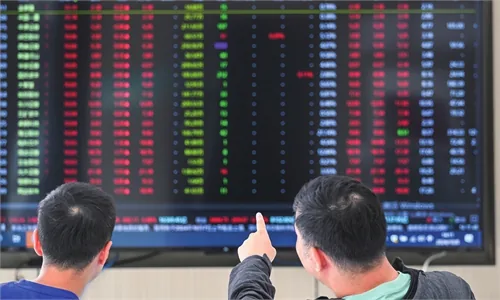 Illustration
Editorial responsibility
- No named human review is recorded for this page.
- Reports are grouped by semantic similarity and deterministic rules. Language models may assist titles, summaries, translation and cross-source analysis; the page reads the event directly, while its address stays stable when the title changes.
- Summary covers the current reports
Cross-source coverage
Reporting timeline
Top 10 Chinese Brokerages: Q3 Earnings Season Offers Final Attack Window for A-Share Market
A compilation of forecasts from ten major Chinese securities firms, published by 券商中国 (Securities China), analyzes the A-share market outlook for late September 2024. The consensus is that the market is in a volatile, range-bound phase with the third-quarter earnings season presenting the last offensive window of the year. Key themes include: the dominance of AI and tech hardware (e.g., optical communication, PCB, MLCC) as core investment themes; the need for balanced, defensive positioning with high-dividend stocks (banks, coal) to hedge against external risks like US interest rate hikes and a strong dollar; and the expectation of a post-holiday rebound after the National Day break. Firms like CITIC Securities and Huatai recommend controlling expectations and focusing on high-certainty, low-valuation sectors. Guotai Junan and others see AI valuations as fully digested, favoring domestic AI computing and scarce hardware. The overall tone is cautiously optimistic, with a focus on structural opportunities rather than a broad market rally, and a strong emphasis on the AI industry chain as the decisive factor for Q4 performance.
Read sourceA-Share Market Sees Volume Rebound; Institutions Advise Balanced Q4 Strategy
After a period of shrinking volume and consolidation in the first half of September, the A-share market showed signs of recovery on September 22, with the Shanghai Composite Index closing up 0.06% at 3952.13 points. Total turnover exceeded 2.1 trillion yuan for the third consecutive trading day. Analysts attribute the rebound since September 18 to a risk appetite repair, but caution that its sustainability depends on whether trading activity can be maintained, whether gains spread from themes to companies with earnings support, and whether profit expectations are revised upward. For Q4, a consensus is forming among institutions for a 'balanced offense and defense' strategy: using high-dividend and other defensive assets as a base, while selectively investing in high-growth sectors such as AI computing power, semiconductors, and innovative drugs to capture upside from earnings delivery. Key factors to watch include the persistence of overseas interest rate and oil price trends, the October FOMC meeting, and whether domestic industrial trends translate into corporate earnings expectations. The upcoming Q3 earnings season is seen as a potential catalyst for new opportunities.
Read sourceA-Share Rally Above 3900 Points Faces Sustainability Test; Institutions Outline Q4 Strategy
After a period of shrinking volume and consolidation in early September, China's A-share market has shown signs of sentiment recovery. On September 22, the Shanghai Composite Index closed at 3,952.13 points, up 0.06%, with total turnover exceeding 2.1 trillion yuan for the third consecutive trading day above the 2 trillion mark. Analysts interviewed by 21st Century Business Herald attribute the rebound since September 18 primarily to risk appetite repair. They caution that sustainability depends on whether trading activity remains high, whether gains broaden from thematic stocks to companies with earnings support, and whether profit expectations are revised upward. For Q4, institutional consensus favors a 'both offensive and defensive' approach: using dividend-paying stocks as a defensive base while selectively targeting high-growth areas such as AI computing power, semiconductors, and innovative drugs for upside. Key risks cited include overseas interest rate volatility, oil price fluctuations, and the late-October FOMC meeting. Some strategists warn that without a self-reinforcing cycle of capital inflows and earnings improvements, the market may only recover to previous highs rather than start a new uptrend.
Read sourceShow 3 older updatesHide older updates
Institutions Reveal Q4 A-Share Allocation Strategy: Defensive Assets Plus AI and Semiconductor Bets
A 21st Century Business Herald article reports that after a volatile first half of September, A-share market sentiment has shown signs of recovery since September 18, with daily turnover exceeding 2 trillion yuan for three consecutive sessions. Analysts attribute the rebound to risk appetite repair but caution that sustainability depends on maintaining trading activity, broadening gains to earnings-supported stocks, and upward earnings revisions. For Q4, institutional consensus favors a balanced 'offense and defense' approach: using dividend-paying, high-certainty assets as a base, while selectively investing in high-growth sectors such as AI computing power, semiconductors, and innovative drugs to capture earnings-driven upside. Fund manager Pan Jun of Cheese Fund notes that the market lacks a clear main line, with funds rotating among themes. Analysts from CITIC Securities, Huatai Securities, and others recommend focusing on AI-related new technologies, optical communications, PCBs, and resource/chemical stocks with price improvement potential. The article emphasizes that these views are for reference only and do not constitute investment advice.
Read sourceA-Share Rally Above 3900 Points Faces Sustainability Test; Institutions Map Q4 Strategy
The A-share market showed signs of recovery on September 22, with the Shanghai Composite Index closing at 3952.13 points, up 0.06%, and total turnover exceeding 2.1 trillion yuan for the third consecutive trading day. Analysts attribute the rebound since September 18 to risk appetite repair, but caution that sustainability depends on maintaining high trading volume, the rally spreading from themes to fundamentally supported stocks, and upward revisions in earnings expectations. Sector rotation has been frequent, with capital shifting from tech hardware to agriculture and consumer stocks, then back to semiconductors and AI computing, and most recently to pharmaceuticals, real estate, and AI applications. For Q4, institutions advocate a balanced approach: holding defensive dividend-yielding assets as a base while selectively investing in high-growth areas such as AI computing, semiconductors, and innovative drugs to capture earnings-driven upside. Key risks include overseas interest rate volatility, the late-October FOMC meeting, and seasonal holiday effects. Analysts suggest the next market driver may come from sustained earnings surprises rather than single policy catalysts.
Read sourceA-Share Rally Above 3900 Points Faces Sustainability Test; Institutions Outline Q4 Strategy
The article reports on the recent A-share market rebound, with the Shanghai Composite Index closing at 3952.13 points on September 22, after three consecutive trading days with turnover exceeding 2 trillion yuan. Analysts attribute the rally since September 18 to risk appetite repair rather than a confirmed new uptrend. Key factors to watch include sustained trading activity, whether gains spread from themes to earnings-backed stocks, and upward revisions in profit expectations. For Q4, institutions advocate a balanced approach: holding defensive dividend-yielding assets as a base while selectively investing in high-growth areas such as AI computing, semiconductors, and innovative drugs. Specific views from fund managers at Cheese Fund, CITIC Securities, China Galaxy Securities, and others are cited, noting that the market lacks a clear main line and that the rally may face headwinds from seasonal factors and external risks like the FOMC meeting. The article emphasizes that the next market direction hinges on earnings delivery and sustained capital inflows.
Read source