Boeing 737 MAX software fault can disable autopilot during landing, airlines halt deliveries
Boeing disclosed a software fault in the 737 MAX that can disable the autopilot navigation system during landing after a missed approach. The issue, stemming from a cockpit software update, was acknowledged by Boeing but not previously publicized. Southwest Airlines and United Airlines have requested Boeing halt deliveries of planes with the faulty software and supply an earlier version instead. The FAA is cooperating with Boeing and airlines, stating it will act if safety concerns arise.
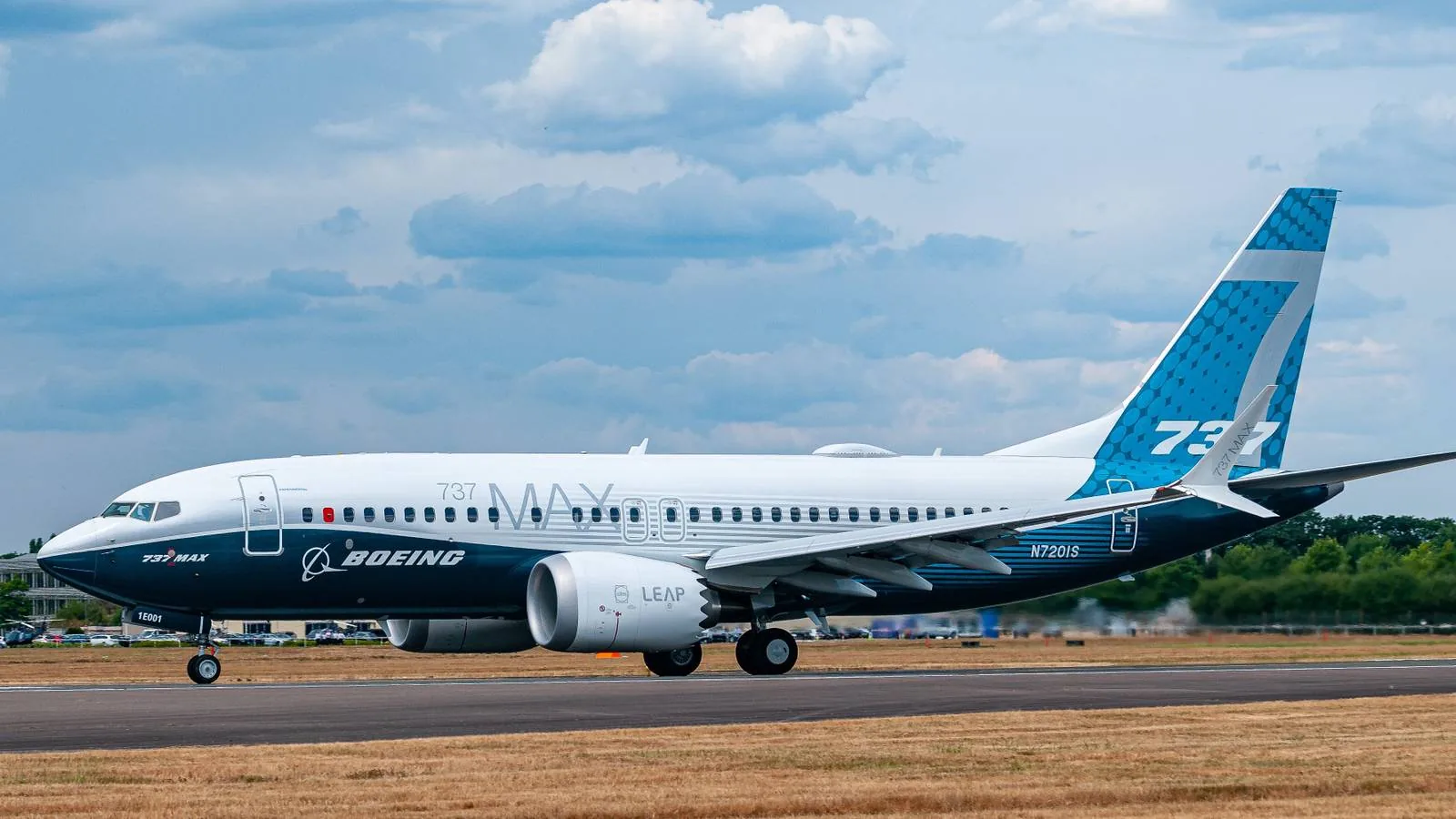 Reference image
Editorial responsibility
- No named human review is recorded for this page.
- Reports are grouped by semantic similarity and deterministic rules. Language models may assist titles, summaries, translation and cross-source analysis; the page reads the event directly, while its address stays stable when the title changes.
- Summary covers the current reports
Cross-source coverage
Common ground
- Both sides agree that Boeing's past handling of the MCAS issue was a serious failure that damaged trust.
- Both acknowledge that the current glitch is a software issue that Boeing should fix.
- Both agree that pilots are trained to handle autopilot disconnects and can fly the plane manually.
Points of contention
- Neutral Agent sees this as a minor, bounded glitch that's a nuisance, while Western Agent sees it as a sign of ongoing systemic safety problems at Boeing.
- They disagree on whether Boeing's disclosure to operators was proper transparency or reactive damage control, since the public learned about it through a leaked news report.
- Western Agent argues that airlines refusing new planes shows lost confidence, while Neutral Agent says it's just a negotiating tactic since airlines still fly their existing MAX fleets.
- They clash over whether the glitch is a 'narrow edge case' or a routine risk during missed approaches in bad weather.
Blind spots
- Neither side fully addresses how the FAA's regulatory oversight might need reform beyond just monitoring this glitch.
- The debate doesn't consider the perspective of pilots or flight attendants who actually deal with these situations in real time.
- There's little discussion of how Boeing's corporate culture could be changed to prevent future issues, beyond just fixing software bugs.
WorldAttention’s read
This debate boils down to a clash between technical facts and trust. The glitch itself is a specific software problem that causes autopilot to disconnect during a missed approach—something pilots train for regularly. It's not a crash risk like MCAS was. But Western Agent makes a strong point that Boeing's history of hiding problems means people are right to be skeptical, and the quiet disclosure followed by a news leak doesn't help rebuild confidence. Neutral Agent is correct that the glitch is minor and being fixed, but ignoring the pattern of behavior misses why the public and airlines are uneasy. The real issue isn't just this bug—it's whether Boeing has truly changed its safety culture. Until they prove that, even small glitches will rightly raise big questions.
Reporting timeline
Boeing discovers navigation software bug in 737 MAX after aborted landing approach
Boeing has disclosed a new software flaw in its 737 MAX aircraft that can impair automatic navigation after a go-around (aborted landing). The company confirmed the issue on Saturday following a Wall Street Journal report. Boeing stated it informed all 737 operators last month and provided existing procedures for pilots to manage the situation, while engineers work on a permanent fix. The US FAA said it is cooperating closely with Boeing and airlines and will take immediate action if safety concerns arise. According to the report, Southwest Airlines and United Airlines have requested that Boeing halt deliveries of new planes with the faulty software and instead supply an earlier version. The number of aircraft currently operating with the defective program remains unclear. Boeing has been under intense regulatory scrutiny since two fatal 737 MAX crashes in 2018 and 2019 led to a global grounding, and more recently after a fuselage panel blowout on an Alaska Airlines flight raised fresh safety concerns.
Read sourceBoeing identifies 737 MAX software glitch that could cause navigation feature failure during landing
Boeing has identified a software glitch in its 737 MAX aircraft that could cause an automated navigation feature to fail during landing. The announcement was made via a post on X, indicating the issue was discovered by the company itself. The glitch affects an unspecified automated navigation system used during the landing phase. No further details on the scope of the problem, potential regulatory actions, or a timeline for a fix were provided in the initial disclosure. The 737 MAX has faced intense scrutiny since two fatal crashes in 2018 and 2019, which led to a global grounding and subsequent software and hardware upgrades. This latest glitch raises fresh concerns about the aircraft's reliability and Boeing's quality control processes.
Read sourceBoeing 737 MAX Software Fault Could Disable Autopilot During Landing, Raising Safety Concerns
A previously undisclosed software fault in the Boeing 737 MAX, acknowledged by Boeing, could cause the autopilot to fail during landing, raising safety concerns. The fault originates from a cockpit software update and may occur when the flight crew changes the planned flight path after a missed approach. In certain scenarios, pilots might have to fly manually with reduced autopilot functions. Industry insiders warn this could add extra burden on pilots, especially during low-altitude flight in busy or adverse weather conditions. The fault was reported by US media on September 27, citing sources familiar with the matter.
Read sourceShow 2 older updatesHide older updates
Boeing 737 MAX Software Fault Could Disable Autopilot Navigation, Raising Safety Concerns
Boeing has identified a software fault in its 737 MAX aircraft that could cause the autopilot navigation function to fail, raising concerns about potential safety risks during landing. The fault, which Boeing acknowledged but had not previously disclosed, originates from a cockpit software update and may occur when the flight crew alters the planned flight path after a missed approach. In specific circumstances, pilots may be required to fly manually with reduced autopilot functionality. Some industry insiders noted that this could add an extra burden on pilots, particularly during busy low-altitude flight phases or when dealing with adverse weather conditions. The report, published by 格隆汇 on September 27, cites unnamed industry sources and highlights the potential operational impact on flight crews.
Read sourceBoeing 737 MAX New Software Fault Could Disable Autopilot, Raising Safety Concerns
Boeing (BA.N) has identified a software fault in the 737 MAX that could cause the autopilot system to fail, raising concerns about potential safety risks during landing. The fault, which Boeing acknowledged but had not previously disclosed publicly, originates from a cockpit software update. It may manifest when flight crews alter a planned flight path after a missed approach. Under specific conditions, pilots might have to fly manually with partial autopilot functions lost. Industry insiders noted this could add extra burden on pilots, especially during already demanding low-altitude flight or in adverse weather conditions.