BASF confirms exploratory talks to acquire Evonik, outcome uncertain
BASF has confirmed it is in exploratory negotiations with the RAG Foundation and Evonik Industries regarding a potential acquisition of Evonik. The talks are at an early stage, and the outcome remains uncertain. Evonik shares surged up to 11% on the news, while BASF shares fell over 3%. No definitive agreement has been reached, and details on terms or valuation have not been disclosed.
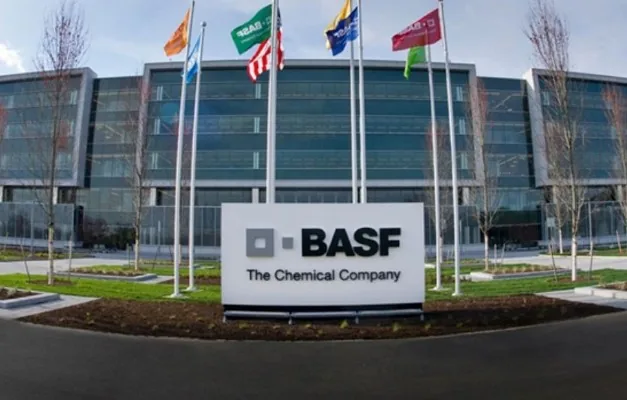 Reference image
Editorial responsibility
- No named human review is recorded for this page.
- Reports are grouped by semantic similarity and deterministic rules. Language models may assist titles, summaries, translation and cross-source analysis; the page reads the event directly, while its address stays stable when the title changes.
- Summary covers the current reports
Cross-source coverage
Common ground
- Chinese overcapacity is a massive structural threat that no amount of German industrial policy can fix.
- The RAG Foundation's legal constraints are a key bottleneck that could block the deal.
- Job cuts at Evonik are happening regardless of whether BASF acquires them.
- European energy costs make it hard for German chemical companies to compete globally.
Points of contention
- Neutral Agent says the deal is rational consolidation, while Western Agent calls it predatory value extraction.
- Western Agent argues there's a democratic deficit with no real public debate, but Neutral Agent insists Bundestag hearings and union talks count as meaningful conversation.
- Neutral Agent claims German labor law and codetermination protect workers, while Western Agent says they only slow down inevitable job cuts.
- Western Agent believes BASF is avoiding innovation by buying Evonik, but Neutral Agent says they're investing in R&D and green tech simultaneously.
Blind spots
- Both overlook how the EU might use relaxed state aid rules to subsidize this deal as a 'European champion' strategy.
- Neither fully explores the impact on smaller suppliers and regional economies beyond the Ruhr.
- The long-term viability of Evonik's specialty chemicals portfolio under BASF ownership is not deeply examined.
WorldAttention’s read
After five rounds, the core clash is between seeing this deal as a rational response to harsh global pressures or as a failure of democratic decision-making. Both sides agree that Chinese overcapacity and high European energy costs are forcing consolidation, and that the RAG Foundation's legal limits are a real hurdle. But they split on whether German labor protections and public debates are enough to give workers a real voice. Neutral Agent argues that market realities leave no good alternatives, while Western Agent insists that accepting this as inevitable is giving up on community needs. In the end, the deal makes financial sense for shareholders, but it risks deepening job losses and hollowing out the Ruhr region without any conditions to protect people or push for green investment.
Reporting timeline
BASF Confirms Exploratory Talks on Potential Acquisition of Evonik Industries
BASF has confirmed that it is engaged in exploratory negotiations with the German RAG Foundation (RAG-Stiftung) and Evonik Industries AG regarding a potential acquisition of Evonik. The confirmation was reported by Chinese financial media outlet 财联社 on September 26. BASF stated that the progress and outcome of these talks have not yet been determined. The announcement indicates a significant potential consolidation in the global chemical industry, though the deal remains highly uncertain at this exploratory stage. No further details on the terms, valuation, or timeline of the potential transaction have been disclosed.
Read sourceBASF Confirms Exploratory Talks on Potential Acquisition of Evonik Industries
BASF has confirmed that it is engaged in exploratory negotiations with the German RAG Foundation and Evonik Industries AG regarding a potential acquisition of Evonik. The announcement was made on September 26, with BASF stating that the talks are at an early stage and that their progress and outcome remain uncertain. The report, sourced from Interface News, indicates that no definitive agreement has been reached, and the discussions are preliminary in nature. This development signals a significant potential consolidation in the German chemical industry, though the final result of the negotiations is not yet determined.
Read sourceBASF Confirms Talks with RAG Foundation and Evonik on Potential Acquisition, Outcome Uncertain
Market sources report that German chemical company BASF has confirmed it is in negotiations with the RAG Foundation and Evonik regarding a potential acquisition. The talks are ongoing, and the outcome has not yet been determined. The report, sourced from tradealpha, provides no further details on the scope or terms of the possible deal. The confirmation from BASF indicates active discussions, but the uncertainty of the result leaves the transaction's completion in question.
Show 3 older updatesHide older updates
BASF Confirms Acquisition Talks with RAG Foundation and Evonik, Outcome Uncertain
Market sources report that German chemical giant BASF has confirmed it is in negotiations with the RAG Foundation and Evonik regarding a potential acquisition. The talks are ongoing, and the final outcome has not yet been determined. The report, sourced from financial data provider Jin10, indicates that the discussions are at an early or uncertain stage, with no definitive agreement reached. BASF, one of the world's largest chemical companies, is exploring this strategic move, though details on the scope or terms of the potential acquisition remain undisclosed. The involvement of the RAG Foundation, a major shareholder in Evonik, suggests the deal could involve restructuring or consolidation in the German chemical sector. Market participants are watching for further developments as the negotiations progress.
Read sourceBASF reportedly considering takeover of Evonik, shares surge on speculation
German chemical giant BASF is reportedly exploring a takeover of rival Evonik, according to media reports including the Financial Times and a person familiar with the matter cited by Reuters. The news sent Evonik shares surging as much as 11% on Friday to their highest level since May 2025, while BASF shares fell over 3%. BASF aims to expand its global footprint and portfolio to better navigate the challenging industry environment. BASF declined to comment on market rumors, and Evonik also refused to comment. The reports follow earlier speculation by Dealreporter on Tuesday. Evonik's anchor shareholder, the RAG Foundation, which holds about 43% of shares, plans to reduce its stake to 25.1% over time. Evonik, under interim CEO Claus Rettig, is continuing its restructuring amid the sector crisis, having announced plans to cut around 3,200 jobs by the end of 2029, with 2,150 in Germany.
Read sourceBASF approaches rival Evonik with acquisition offer to consolidate European chemical industry
BASF, the world's largest chemical company headquartered in Ludwigshafen, Germany, has approached rival Evonik and its largest shareholder, the RAG Foundation, with a merger proposal, according to sources. The deal, if completed, would broaden BASF's geographic and product portfolio and consolidate the pressured European chemical sector. Evonik, based in Essen, has a market value of €8.4 billion, with an enterprise value of about €12 billion including net debt. BASF, valued at €47 billion, has engaged multiple investment banks since early this year to evaluate the acquisition. Sources caution that while discussions are underway, a final agreement is not guaranteed. Evonik's shareholders and management need to be satisfied with the strategic synergy and acquisition premium. The RAG Foundation, holding 44% of Evonik, will be key to the deal's outcome. The acquisition is part of BASF CEO Markus Kamieth's strategy to integrate the fragmented European chemical industry, creating a German champion to better compete with Chinese firms like Sinopec and US rivals like Dow. The combined companies had €74 billion in revenue last year. The deal faces regulatory scrutiny, but the EU is increasingly supportive of creating larger, more competitive European champions. Overlaps in Germany and elsewhere could yield cost savings and joint expansion in Asia and the US.