Bank of Korea launches 24/7 won settlement pilot to internationalize currency
The Bank of Korea began a three-month trial of its 24/7 BOK Won International Payment Network on Monday, enabling direct won settlement for overseas investors without domestic intermediaries. Four South Korean banks processed the first test transaction of 1.4 billion won ($1 million). Full commercial launch is set for January 2025, with foreign banks expected to join. The pilot supports Seoul's broader forex liberalization and MSCI developed market upgrade bid.
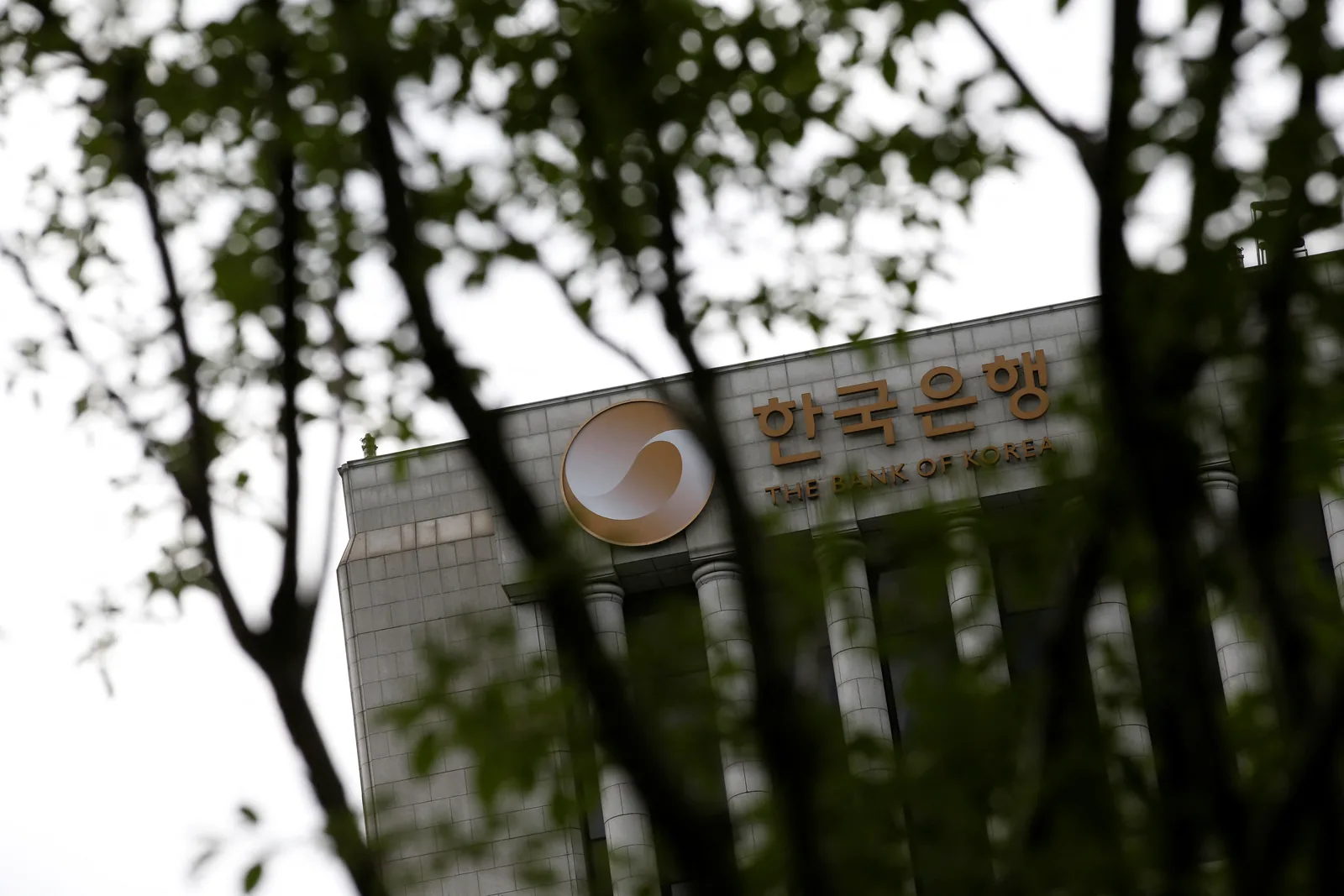 Reference image
Editorial responsibility
- No named human review is recorded for this page.
- Reports are grouped by semantic similarity and deterministic rules. Language models may assist titles, summaries, translation and cross-source analysis; the page reads the event directly, while its address stays stable when the title changes.
- Summary covers the current reports
Cross-source coverage
Reporting timeline
South Korea launches trial of 24/7 won international settlement system, full launch in January
The Bank of Korea (BOK) on Monday began a trial run of its 'BOK Won International Payment Network', a 24/7 settlement system (excluding weekends and public holidays) designed to facilitate the internationalization of the South Korean won. The trial started at 9 a.m. on October 21, with four domestic banks—KB Kookmin, Woori, Hana, and Shinhan—participating. The first transaction, worth about 14 billion won ($100 million), was completed around 9:30 a.m. Foreign banks are expected to join during the trial phase, with full commercial operation scheduled for January next year. The system allows overseas investors and non-residents to open accounts at 'Registered Foreign Institutions for Won Transactions' (RFI-K) abroad and settle directly in won without going through domestic financial institutions. This initiative is part of the South Korean government's broader roadmap to open its foreign exchange market to global investors and seek MSCI developed market status for its stocks. The trial will run for approximately three months.
Read sourceSouth Korea Tests 24-Hour Won Settlement System Ahead of Foreign Market Access
South Korea's central bank has begun testing a round-the-clock won payment and settlement system, laying the groundwork for broader foreign capital access to the Korean market starting next year. The test, which began at 9 a.m. local time on Monday, involves four Korean banks, two of which have already processed 1.4 billion won (approximately $1 million) in transactions. Foreign banks are expected to participate in the trial at a later date, though no specific timeline has been set. The initiative is part of Seoul's broader effort to open its foreign exchange market to global investors and to support its bid for MSCI Inc. to upgrade South Korean stocks to developed market status. The won-dollar trading in Korea has operated on a 24-hour basis since July this year. Starting January next year, overseas investors will be allowed to trade, transfer, and settle won transactions outside of South Korea. The Bank of Korea stated it will continuously monitor the system to ensure smooth operation while expanding participation and making improvements.
Read sourceSouth Korea Tests 24-Hour Won Settlement System Ahead of Full Foreign Market Access
South Korea's central bank has begun testing a 24-hour won payment and settlement system, a key step toward fully opening its foreign exchange market to global investors starting next year. The test, which started at 9 a.m. local time on Monday, involves four domestic banks, with two having already processed 14 billion won ($1 million) in transactions. Foreign banks are expected to participate later, though no specific date has been set. The initiative follows the introduction of 24-hour dollar-won trading in July and is part of Seoul's broader effort to liberalize its forex market, attract foreign capital, and secure an upgrade of its stock market to developed market status by MSCI Inc. The Bank of Korea stated it will continuously monitor the system to ensure smooth operation while expanding participation.
Read sourceShow 4 older updatesHide older updates
South Korea's central bank launches 24-hour offshore won settlement pilot project
South Korea's central bank, the Bank of Korea, announced on Monday the launch of a pilot project for a 24-hour offshore won settlement network, named the 'BOK Won International Wire Network'. The system began trial operations at 9 a.m. on September 21, in cooperation with four local banks: KB Kookmin Bank, Woori Bank, Hana Bank, and Shinhan Bank. The initiative is part of South Korea's efforts to lower entry barriers for foreign investors. Full implementation is scheduled for January next year, after which overseas banks will be able to join the network. The network will operate 24 hours a day, from 9 a.m. on each business day to 9 a.m. the following day, and will be closed on weekends and public holidays. The system will allow offshore investors to freely conduct won transactions with other foreign investors using accounts opened under their home country's 'Won Business Registered Foreign Institution' (RFI-K) status.
Read sourceSouth Korea's Central Bank Launches 24-Hour Offshore Won Settlement Network Pilot
According to a report by tradealpha citing Yonhap News Agency, the Bank of Korea announced on Monday that it has initiated a pilot program for a 24-hour offshore won settlement network. This move is intended to support South Korea's broader efforts to reduce investment barriers for foreign investors. The pilot aims to facilitate smoother and more accessible trading of the Korean won in international markets by enabling round-the-clock settlement, thereby lowering the operational hurdles that foreign investors currently face. The central bank's initiative is part of a series of financial market reforms designed to enhance the global accessibility and liquidity of the won, ultimately seeking to attract greater foreign capital into South Korean financial markets.
South Korea's Central Bank Launches 24-Hour Offshore Won Settlement Network Pilot
According to Yonhap News Agency, the Bank of Korea announced on Monday that it has initiated a pilot program for a 24-hour offshore won settlement network. This move is part of South Korea's broader efforts to lower investment thresholds for foreign investors, aiming to make the Korean won more accessible and facilitate smoother international transactions. The pilot program is expected to enhance the efficiency of offshore won trading and settlement, reducing barriers for foreign participants in Korean financial markets. The central bank's initiative aligns with ongoing government policies to liberalize the capital market and attract greater foreign capital inflows, potentially boosting the liquidity and global standing of the Korean won.
Read sourceSouth Korea launches 24/7 won international settlement system trial, full launch in January
The Bank of Korea (BOK) on Monday began a trial run of its 'BOK Won International Payment Network', a 24/7 payment settlement system that operates every day except weekends and public holidays. This is the first such round-the-clock network operated by the central bank and is a key step in South Korea's efforts to internationalize the won and facilitate foreign investor access to won-denominated transactions. Four domestic banks—Kookmin, Woori, Hana, and Shinhan—are participating in the trial, which started at 9 a.m. local time. The first test transaction, worth about 14 billion won ($100 million), was completed around 9:30 a.m. Foreign banks are expected to join when the system fully launches in January 2025. The network allows overseas investors and non-residents to open accounts with 'Registered Foreign Institutions for Won Transactions' (RFIs) abroad and settle directly in won without going through domestic financial institutions. The trial is part of a broader government roadmap announced this year to open South Korea's foreign exchange market to global investors and support MSCI's potential upgrade of Korean stocks to developed market status. The BOK stated it will monitor the system's stability and expand participating institutions.
Read source