Ex-BOJ official: October rate hike 'quite possible', delay to 2025 unlikely
Former Bank of Japan executive director Kazuo Momma stated the BOJ could raise its benchmark interest rate at its October policy meeting for a second consecutive month, estimating a 20-30% probability. He argued the central bank's shift to preventing inflation from exceeding 2% justifies faster tightening. Momma sees the terminal rate reaching about 2% by mid-2025, above the 1.75% median economist forecast. Overnight swap markets priced a 30% chance of an October hike.
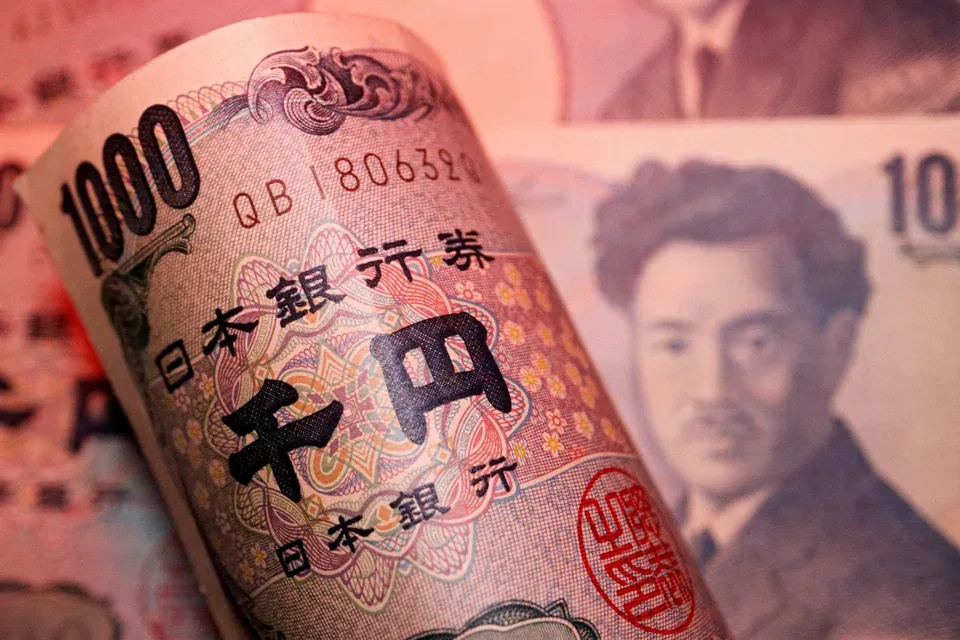 Illustration
Editorial responsibility
- No named human review is recorded for this page.
- Reports are grouped by semantic similarity and deterministic rules. Language models may assist titles, summaries, translation and cross-source analysis; the page reads the event directly, while its address stays stable when the title changes.
- Summary covers the current reports
Cross-source coverage
Common ground
- The BOJ will likely raise rates again, but the timing is uncertain — October is possible but unlikely, with December or later being more probable.
- Zero interest rates have created distortions in Japan's economy, including a weak yen that raises import costs for households.
- Both hiking and keeping rates low create winners and losers — there is no painless option.
- The global financial system and foreign investor pressure do influence Japan's policy choices to some degree.
- Small businesses and non-regular workers are not benefiting from the current recovery as much as large exporters.
Points of contention
- Whether the BOJ's rate hike push is primarily driven by domestic economic needs or by external pressure from global financial institutions.
- Whether the 2% inflation target is a legitimate goal for Japan or a 'Western import' that doesn't fit its unique economy.
- Whether zero rates have mainly hurt households (through yen collapse) or protected them (by keeping borrowing costs low).
- Whether the 5% wage hikes at large firms signal a broad recovery or just a selective one that excludes most workers.
- Whether the BOJ's internal debates reflect genuine Japanese agency or are constrained by global power structures.
Blind spots
- Neither side fully addressed how the transition to higher rates might affect Japan's massive public debt and government financing.
- The impact of rate hikes on Japan's housing market and household debt levels was not explored in depth.
- The role of Japan's aging demographics in shaping long-term inflation and wage dynamics was mentioned but not analyzed.
- The potential for a sharp yen appreciation to trigger a financial crisis or capital flight was raised but not resolved.
WorldAttention’s read
The debate shows that Japan's monetary policy is caught between domestic needs and global pressures. Both sides agree that zero rates have created problems, but they disagree on who benefits from change. The BOJ will likely hike slowly, but the real question is whether the transition can protect ordinary Japanese — especially the elderly, small businesses, and non-regular workers — who get squeezed no matter what. The choice isn't between good and bad policy, but between different sets of winners and losers. Ultimately, Japan must decide whose interests its monetary policy serves, and whether the 2% inflation target truly fits its unique economy.
Reporting timeline
Ex-BOJ official says October rate hike 'quite possible', sees very low chance of delay to 2025
Kazuo Momma, a former Bank of Japan executive director for monetary policy, stated in an interview that the BOJ could raise its benchmark interest rate at its October policy meeting, marking a second consecutive monthly hike. He estimated a 20-30% probability of such a move, arguing that the central bank's shift in focus from pushing inflation toward 2% to preventing it from exceeding that target justifies a faster pace of tightening. Momma noted that core inflation excluding fresh food and temporary factors accelerated to 2.6% in August, and that the policy rate at 1.25% remains low. He sees the terminal rate reaching about 2% by mid-2025, higher than the 1.75% median economist forecast. While two board members voted against the September hike, Momma said such dissents are unlikely to alter the BOJ's normalization path. Overnight swap markets priced a 30% chance of an October hike as of the interview date, while a September survey showed 58% of economists expected the next hike in January 2025.
Read sourceFormer BOJ Official Says Central Bank May Raise Rates Again in October
Kazuo Momma, a former executive director for monetary policy at the Bank of Japan, stated that the BOJ could raise its benchmark interest rate for a second consecutive month at its October policy meeting, a move earlier than many economists anticipate. Momma estimated a 20-30% probability of back-to-back rate hikes, though he noted the baseline rhythm is likely quarterly. He explained that the BOJ's recent hawkish language is intended to signal a potential acceleration in the pace of tightening as policy priorities shift, with the central bank increasingly focused on the risk of core inflation rising above 2%. Momma's base case scenario sees the policy rate reaching a terminal level of around 2% by June or July of next year, implying three additional 25-basis-point hikes after the current cycle.
Read sourceFormer BOJ Official Says Central Bank May Raise Rates Again in October
Kazuo Momma, a former executive director for monetary policy at the Bank of Japan (BOJ), stated that the central bank could raise its benchmark interest rate for a second consecutive month at its October policy meeting, a move earlier than many economists anticipate. Momma estimated a 20% to 30% probability of a back-to-back rate hike, noting that the BOJ's recent communication signals a potential acceleration in the pace of tightening as its policy focus shifts. He argued that the risk of core inflation rising above 2% is more likely to increase than decrease over the next three months. Momma's baseline scenario projects the BOJ's policy rate reaching a terminal rate of around 2% by June or July of next year, implying three additional quarter-point rate hikes by the policy board.
Read sourceShow 2 older updatesHide older updates
Former BOJ Official Says October Rate Hike Is a Realistic Possibility, Faster Than Expected
Kazuo Momma, a former executive director of the Bank of Japan (BOJ) responsible for monetary policy, stated in a media interview that the BOJ could raise its benchmark interest rate for a second consecutive month at its October policy meeting. This timeline is earlier than most economists anticipate. Momma estimated the probability of such a move at 20% to 30%, noting that while the basic pace is likely one hike per quarter, consecutive meetings are a reasonable possibility. His comments follow the BOJ's recent rate increase, which came just three months after a previous hike in June, accelerating from the prior pace of roughly one hike every six months. BOJ Governor Kazuo Ueda explained that the central bank has entered a new phase, shifting its focus from pushing core inflation to 2% to preventing it from exceeding that target. Momma interpreted Ueda's remarks as a signal to markets that faster rate hikes may be coming, as the risk of core inflation exceeding 2% is more likely to rise than fall in the next three months.
Former BOJ Official Says October Rate Hike 'Truly Possible', Delay to Next Year Unlikely
Kazuo Momma, a former executive director of the Bank of Japan's monetary policy division, stated in an interview that the BOJ could raise its benchmark interest rate for a second consecutive month at its October 30 policy meeting, a timeline earlier than most economists expect. Momma estimated a 20-30% probability of a rate hike in October, arguing that the central bank's shift in focus from pushing inflation toward 2% to preventing it from overshooting justifies a faster pace of tightening. He noted that core inflation accelerated to 2.6% in August and that the current policy rate of 1.25% remains low, creating a strong case for relatively rapid rate increases. Momma predicted the terminal rate could reach around 2% by mid-2025, implying three more quarter-point hikes, above the market consensus of 1.75%. He dismissed the likelihood of delaying the next hike to January or later, despite two board members dissenting in September. Overnight swap markets priced a 30% chance of an October hike as of last Friday.
Read source