Japan’s core inflation accelerates to 2.6%, strengthening case for BOJ rate hikes
Japan's core inflation, as measured by the Bank of Japan's preferred gauge excluding fresh food and special factors, accelerated to 2.6% year-on-year in August, up from 2.3% in July and well above the 2% target. The data supports the BOJ's hawkish stance after it decided to accelerate rate hikes last week. However, two board members appointed by Prime Minister Shigeru Ishiba voted against the increase, citing inflation concerns. Markets now price over 90% probability of another hike by December.
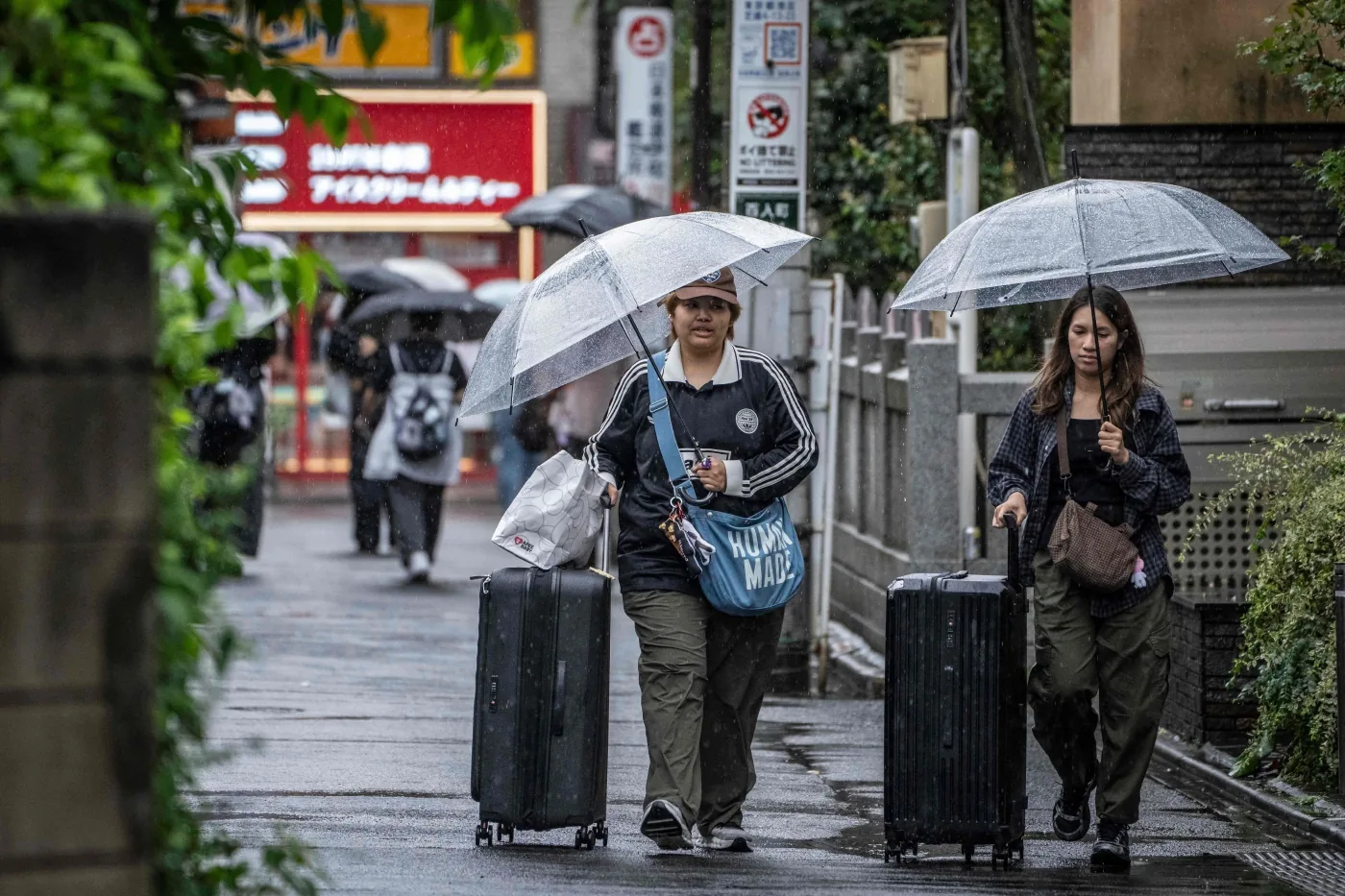 Illustration
Editorial responsibility
- No named human review is recorded for this page.
- Reports are grouped by semantic similarity and deterministic rules. Language models may assist titles, summaries, translation and cross-source analysis; the page reads the event directly, while its address stays stable when the title changes.
- Summary covers the current reports
Cross-source coverage
Common ground
- Both sides agree that the two dissenting BOJ board votes signal real political resistance to rate hikes.
- Both acknowledge that Japan's 250% debt-to-GDP ratio makes rate hikes a direct fiscal burden.
- Both recognize that regional banks face systemic risk from rising rates, with 30% underwater at 1%.
- Both agree that the demographic transfer—older savers benefiting from higher rates while younger borrowers suffer—is a key but underdiscussed issue.
Points of contention
- The Neutral Agent sees rate hikes as necessary to control inflation and maintain credibility, while the Regional Agent sees them as a Western-driven policy that hurts ordinary workers.
- The Neutral Agent argues that price controls and fiscal alternatives have failed in practice, while the Regional Agent says they haven't been tried properly and could work with political will.
- The Neutral Agent views Japan's 30 years of loose policy as a failure that created deflation and zombie companies, while the Regional Agent sees it as a success that prioritized social stability and low inequality.
- The Neutral Agent believes the BOJ faces two bad options with no escape, while the Regional Agent insists there is a viable third option through targeted credit and public investment.
Blind spots
- Neither side fully addresses how Japan's aging population and shrinking workforce will reshape inflation dynamics long-term.
- Both overlook the role of global supply chains and energy prices in driving Japan's inflation, focusing too much on domestic policy.
- The debate ignores the impact of rate hikes on Japan's export competitiveness and the yen's role as a safe-haven currency.
- Neither considers how Japan's unique corporate governance and lifetime employment culture might buffer or amplify the effects of monetary tightening.
WorldAttention’s read
The roundtable reveals a deep divide between those who see the BOJ's rate hikes as a painful but necessary correction to decades of ultra-loose policy, and those who view them as a Western-imposed orthodoxy that ignores Japan's unique social priorities. Both sides agree that political resistance inside the BOJ is real, the fiscal math is brutal, and regional banks are vulnerable. The core disagreement is whether there's a viable third path—the Neutral Agent says no, arguing that price controls and fiscal fixes have already failed, while the Regional Agent says yes, insisting that Japan's past choices prioritized social stability over financial efficiency and that new tools like direct BOJ financing of public investment could work. The demographic transfer from young to old is a genuine blind spot both now acknowledge. Ultimately, the BOJ will likely hike again by December, but the split vote will widen as the human cost becomes visible, leaving Japan stuck between two painful outcomes: crushing regional banks and small businesses now, or risking a yen crash and imported inflation later.
Reporting timeline
Japan's Core Inflation Accelerates, Strengthening Case for Further BOJ Rate Hikes
Japan's central bank reported that its key measure of underlying inflation accelerated in August, rising 2.6% year-on-year, up from 2.3% in July, and well above the 2% target. The data, which excludes volatile fresh food and temporary government subsidies on gasoline and utilities, provides support for the Bank of Japan's (BOJ) recent decision to accelerate its pace of interest rate hikes. The BOJ emphasized that inflation risks remain to the upside. The assessment of inflation strength has become particularly important after two board members, appointed by Prime Minister Shigeru Ishiba, voted against the rate hike last week, citing inflation concerns and weakening expectations for the BOJ's hawkish stance. Market pricing indicates over 90% probability of another rate hike by December, while a September economist survey showed 58% expect the next hike in January and about 35% in December. The BOJ's next rate decision is scheduled for October 30.
Read sourceJapan's Core Inflation Accelerates, Strengthening Case for Further BOJ Rate Hikes
Japan's central bank reported that its key measure of underlying inflation accelerated to 2.6% year-on-year in August, up from 2.3% in July, significantly exceeding its 2% target. The Bank of Japan (BOJ) released the data on Friday, which excludes volatile fresh food and special factors such as government subsidies for gasoline and utilities. A narrower measure stripping out energy and special factors rose to 1.8% from 1.6%. The report provides support for the BOJ's recent decision to accelerate its pace of rate hikes, as it emphasizes the risk of inflation persistently exceeding its target. The assessment of inflation strength has become particularly important after two board members, appointed by Prime Minister Shigeru Ishiba, voted against the rate hike last week, citing inflation concerns. Market pricing indicates over 90% probability of another rate hike by December, while a September economist survey showed 58% expect the next move in January and 35% in December. The BOJ's next rate decision is scheduled for October 30.
Japan's Core Inflation Accelerates, Providing Basis for Further BOJ Rate Hikes
Japan's underlying inflation accelerated in August, with the Bank of Japan's preferred core CPI measure (excluding fresh food and special factors such as government subsidies) rising 2.6% year-on-year, up from 2.3% in July and well above the 2% target. The data supports the BOJ's hawkish stance after it decided to accelerate the pace of rate hikes last week. However, two board members appointed by Prime Minister Shigeru Ishiba voted against the rate increase, citing inflation concerns, which weakened expectations for the BOJ's hawkish position and led to yen depreciation. Market pricing indicates over 90% probability of another rate hike by December, while a September economist survey showed 58% expect the next hike in January and about 35% in December. The BOJ's next rate decision is scheduled for October 30.
Read sourceShow 4 older updatesHide older updates
Japan's Core Inflation Accelerates, Strengthening Case for Further Rate Hikes
Japan's underlying inflation accelerated in August, with the Bank of Japan's (BOJ) preferred measure—CPI excluding fresh food and special factors—rising 2.6% year-on-year, up from 2.3% in July and well above the 2% target. The BOJ released the data on Friday, providing support for its decision to accelerate rate hikes last week. A broader measure excluding fresh food, energy, and special factors rose to 1.8% from 1.6%. The inflation assessment has become particularly important after two board members, appointed by Prime Minister Shigeru Ishiba, voted against the rate hike, citing inflation concerns. Overnight index swaps indicate over 90% probability of another rate hike by December. A September economist survey showed 58% expect the next hike in January, while 35% expect it in December. The BOJ's next rate decision is scheduled for October 30.
Read sourceJapan's Core Inflation Accelerates, Supporting Further Rate Hike by Bank of Japan
Japan's core inflation accelerated in August, with the Bank of Japan's preferred measure rising to 2.6% year-on-year from 2.3% in July, significantly above the central bank's 2% target. The data, which excludes fresh food and temporary government subsidies for gasoline and utilities, supports the case for further interest rate increases. The Bank of Japan recently accelerated its rate hike pace and warned of upside risks to inflation. Two board members, Tomoichi Asada and Ayano Sato, dissented at last week's rate decision, citing inflation concerns, which weakened market expectations of a hawkish board and pushed the yen lower. Both were nominated by Prime Minister Shigeru Ishiba's predecessor. Overnight index swaps show investors see over a 90% probability of another rate hike by December. A Bloomberg survey before the September meeting found 58% of economists expect the next hike in January, while about 35% expect it in December. The Bank of Japan's next policy decision is scheduled for October 30.
Japan's Core Inflation Accelerates, Strengthening Case for Further Rate Hikes
Japan's central bank reported that its preferred measure of underlying inflation accelerated in August, rising 2.6% year-on-year, up from 2.3% in July, and well above the 2% target. The data, which excludes volatile fresh food and temporary government subsidies on gasoline and utilities, provides support for the Bank of Japan's (BOJ) hawkish stance on further interest rate increases. A broader measure excluding fresh food, energy, and subsidies rose to 1.8% from 1.6%. The report comes after the BOJ decided to accelerate its pace of rate hikes last week, citing the risk of inflation exceeding its target. The assessment of inflation strength has become particularly important after two board members appointed by Prime Minister Shigeru Ishiba voted against the rate increase, citing inflation concerns, which weakened the yen and dampened expectations of the BOJ's hawkishness. Market pricing indicates over 90% probability of another rate hike by December, while a survey of economists showed 58% expect the next hike in January and about 35% in December. The BOJ's next rate decision is scheduled for October 30.
Read sourceJapan's Key Inflation Gauge Accelerates, Strengthening Case for Further Rate Hikes
Japan's central bank reported on Friday that its preferred measure of underlying inflation accelerated in August, rising to 2.6% year-on-year from 2.3% in July, well above the 2% target. The Bank of Japan (BOJ) uses this adjusted CPI figure, which excludes fresh food and special factors such as government subsidies for gasoline and utilities, to gauge underlying price trends. A narrower measure excluding fresh food, energy, and special factors rose to 1.8% from 1.6%. The data provides support for the BOJ's hawkish stance after it decided last week to accelerate the pace of interest rate hikes, citing the risk that inflation could persistently exceed its target. The assessment of inflation strength has become particularly important after two board members, appointed by Prime Minister Shigeru Ishiba, voted against the rate hike, citing inflation concerns and weakening expectations for further tightening. Market pricing indicates over 90% probability of another rate hike by December, while a survey of economists showed 58% expect the next move in January and about 35% in December. The BOJ's next policy decision is scheduled for October 30.
Read source