Morgan Stanley and BofA Reverse Forecasts, Now Predict Two Bank of England Rate Hikes
Morgan Stanley and Bank of America have both revised their forecasts for the Bank of England, now predicting two 25-basis-point interest rate hikes. Morgan Stanley expects hikes in November and February, citing tighter fiscal policy as a key driver. Bank of America similarly reversed its no-hike stance, though its timing was not specified in all reports. The BoE recently held rates steady but warned that escalating Iran-related tensions could fuel inflation, which it forecasts exceeding 4% early next year.
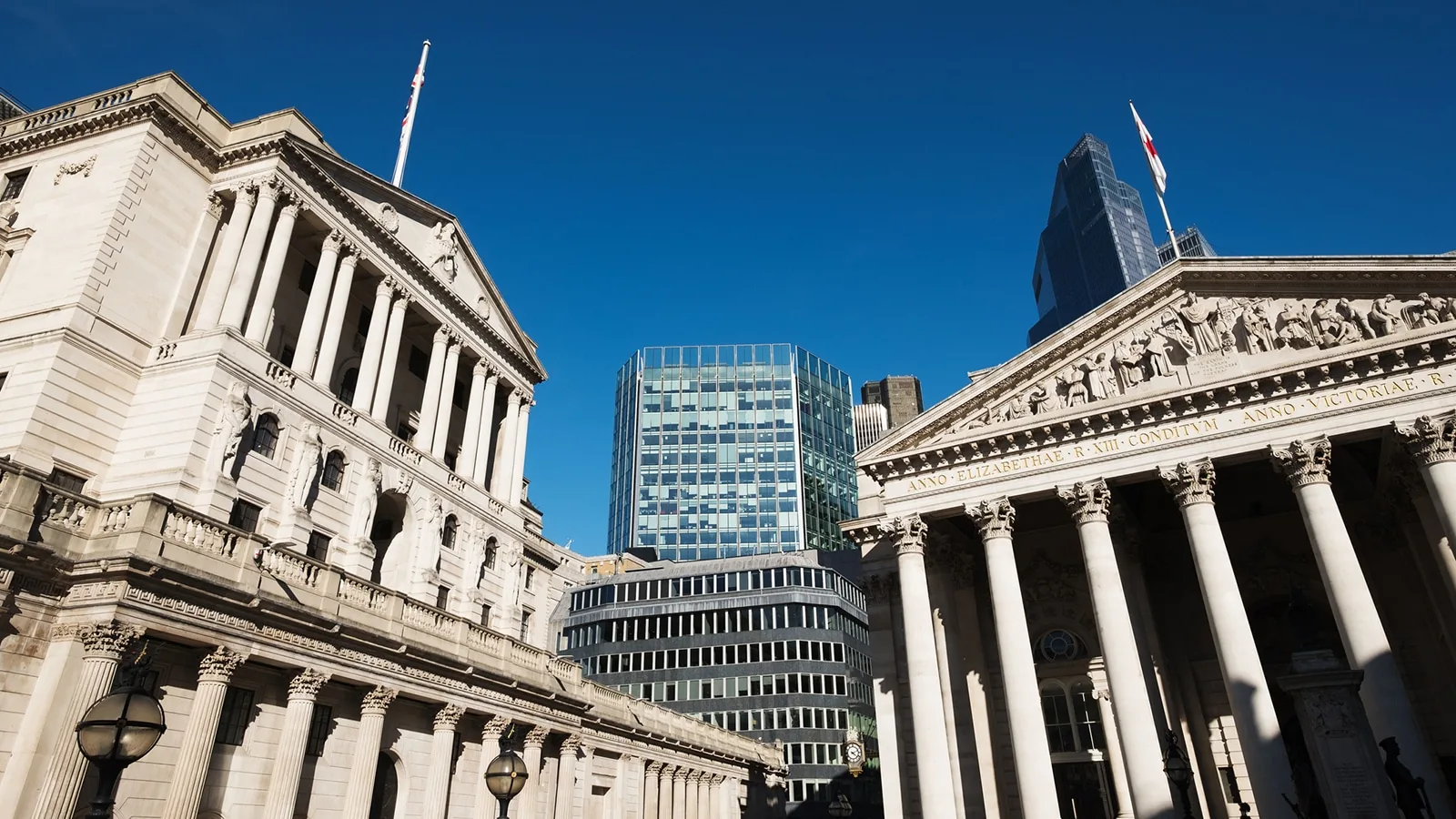 Reference image
Editorial responsibility
- No named human review is recorded for this page.
- Reports are grouped by semantic similarity and deterministic rules. Language models may assist titles, summaries, translation and cross-source analysis; the page reads the event directly, while its address stays stable when the title changes.
- Summary covers the current reports
Cross-source coverage
Common ground
- Both sides agree that the date inconsistency in the news reports is sloppy journalism and should be corrected.
- Both acknowledge that UK households face real economic pressure from inflation and mortgage costs.
- Both agree that the Bank of England's rate hike forecasts, regardless of the exact date, signal ongoing inflation challenges.
Points of contention
- The Neutral Agent argues the date discrepancy makes any economic analysis premature, while the Western Agent insists the direction of rate hikes proves structural rot regardless of the timeline.
- The Western Agent sees forecast reversals as evidence of central bank failure, while the Neutral Agent views them as normal responses to new data.
- The Neutral Agent claims the Western Agent is cherry-picking headlines to fit a political narrative, while the Western Agent accuses the Neutral Agent of using date nitpicking to avoid engaging with real economic data.
Blind spots
- Neither side fully addresses whether the 2026/2027 forecast might be based on a recovery scenario rather than a crisis, leaving that possibility unexplored.
- The debate overlooks the role of news aggregators and editorial processes in creating the date confusion, focusing instead on the forecasts themselves.
- Both participants fail to consider how ordinary people might interpret or act on these conflicting forecasts in their financial decisions.
WorldAttention’s read
This debate revealed a fundamental clash between two approaches: the Neutral Agent insists on verifying the timeline before drawing conclusions, while the Western Agent argues that the direction of rate hikes—whether in 2024 or 2027—exposes deep structural problems in the UK economy. The Neutral Agent correctly flagged the date inconsistency as a critical flaw in the evidence, but the Western Agent eventually cited real data on stagnant wages, weak investment, and low growth that deserve attention. Ultimately, the disagreement boils down to whether you can talk about the fire without agreeing on when the alarm went off. The truth likely lies somewhere in between: the date confusion must be resolved for accurate analysis, but the underlying economic pressures on UK households are real and deserve a response that goes beyond debating headlines.
Reporting timeline
Morgan Stanley Forecasts Two 25-Basis-Point Rate Hikes by Bank of England by February
Morgan Stanley has sharply revised its outlook for the Bank of England's monetary policy, now forecasting two 25-basis-point interest rate hikes in November and the following February. This reverses its previous expectation that rates would remain on hold for an extended period. According to a Morgan Stanley research note, tighter fiscal policy is the core potential driver behind the expected rate increases. The investment bank predicts a slowdown in UK economic growth early next year but sees short-term risks as broadly balanced, supported by global economic resilience. The Bank of England recently held its benchmark rate steady but issued a clear hawkish warning, stating that if geopolitical tensions involving Iran continue to escalate, inflation pressures could rise further, forcing it to raise rates. The central bank also forecasts that UK inflation could exceed 4% again early next year, highlighting persistent inflation stickiness that sets the stage for tighter monetary policy.
Morgan Stanley Expects Bank of England to Raise Rates in November and February
Morgan Stanley has sharply revised its forecast for the Bank of England's monetary policy, now predicting two 25-basis-point interest rate hikes in November and the following February. This reverses the investment bank's previous expectation that the BoE would hold rates steady for an extended period. According to Morgan Stanley analysts, tighter fiscal policy is the core potential driver behind the expected rate increases. The institution forecasts a slowdown in UK economic growth early next year but sees short-term risks as balanced, supported by global economic resilience. The BoE's recent meeting kept the benchmark rate unchanged but issued a clear hawkish signal, warning that if Iran-related geopolitical tensions persist, inflation pressures could rise further, forcing rate action. The central bank also predicts UK inflation could exceed 4% again early next year, highlighting sticky inflation risks that set the stage for future monetary tightening.
Morgan Stanley Forecasts Two 25-Basis-Point Rate Hikes by Bank of England by February
Morgan Stanley has sharply revised its outlook for Bank of England (BoE) monetary policy, now forecasting two 25-basis-point interest rate hikes in November and February of the following year, reversing its previous expectation of a prolonged hold. In a research note, Morgan Stanley analysts cite fiscal policy tightening as the core driver behind the expected rate increases. The institution predicts UK economic growth will slow in early next year but sees short-term risks as balanced, supported by global economic resilience. The BoE recently held its benchmark rate steady but issued a clear hawkish signal, warning that if Iran-related geopolitical tensions persist, inflation pressures could rise further, necessitating rate hikes. The central bank also forecasts UK inflation could exceed 4% again in early next year, highlighting sticky inflation risks that set the stage for tighter monetary policy.
Read sourceShow 6 older updatesHide older updates
Morgan Stanley Expects Bank of England to Raise Rates in November and February
Morgan Stanley has revised its forecast for the Bank of England's monetary policy, now predicting two 25-basis-point interest rate hikes in November 2023 and February 2024. The investment bank had previously expected no rate increases in the foreseeable future. In a research report, Morgan Stanley analysts stated that fiscal policy will be a key potential catalyst for further tightening. They anticipate economic growth to slow early next year but view short-term risks as balanced given strong global growth. The Bank of England held rates steady last week but signaled that rates might need to rise if the conflict involving Iran continues, and forecast UK inflation to exceed 4% in early 2024.
Read sourceMorgan Stanley Adjusts Bank of England Rate Hike Forecast to Two Quarter-Point Increases
Morgan Stanley has revised its forecast for the Bank of England's monetary policy, now expecting two quarter-point interest rate hikes in November and February, a shift from its previous expectation of no rate increases. The adjustment reflects a change in the investment bank's outlook on the UK economy and inflation trajectory. The forecast is attributed to Morgan Stanley and is conditional on economic data and policy decisions by the Bank of England. This update was reported by tradealpha, a domestic financial news source.
Read sourceMorgan Stanley Now Expects Bank of England to Raise Rates in November and February
According to a report from Cailianshe on September 25, Morgan Stanley has revised its forecast for the Bank of England's monetary policy. The investment bank previously expected no interest rate hikes but now anticipates two quarter-point increases, one in November and another in February. This adjustment reflects a significant shift in expectations for UK monetary policy, though the specific reasons for the change were not detailed in the brief report. The forecast is attributed to Morgan Stanley and represents their current outlook on the Bank of England's actions.
Read sourceMorgan Stanley Now Expects Bank of England to Hike Rates in November and February
Morgan Stanley has revised its forecast for the Bank of England's monetary policy, now expecting two interest rate hikes in November and February. This marks a shift from its previous expectation of no rate increases. The adjustment reflects a change in the investment bank's outlook on the UK economy and inflation, though the specific reasons for the revision are not detailed in the brief report. The forecast is attributed to Morgan Stanley and is presented as a prediction, not a confirmed policy decision.
Bank of America Forecasts Two Bank of England Rate Hikes, Reversing Previous No-Hike Prediction
Bank of America (BofA) has revised its forecast for the Bank of England's (BoE) monetary policy, now predicting two interest rate increases. This marks a reversal from the bank's earlier forecast that the BoE would not raise rates. The updated outlook was reported by tradealpha, citing BofA's analysis. The specific timing or magnitude of the expected rate hikes was not detailed in the brief report. The shift reflects changing expectations for the UK economic outlook and inflationary pressures, though the source does not provide the underlying rationale for BofA's revised stance.
Bank of America Forecasts Bank of England Rate Hikes in Late 2026 and Early 2027
Bank of America (BofA) has revised its forecast for the Bank of England's (BoE) monetary policy, now predicting two 25-basis-point interest rate hikes in November 2026 and February 2027. This marks a significant change from BofA's previous forecast, which had expected the BoE to hold its key interest rate steady until at least November 2027. The new projection suggests BofA anticipates a more hawkish stance from the UK central bank than previously thought, potentially driven by persistent inflationary pressures or a stronger economic outlook. The forecast was reported by the financial news outlet Jin10.
Read source