Bank Indonesia Shifts FX Intervention from Spot Market to NDF Market
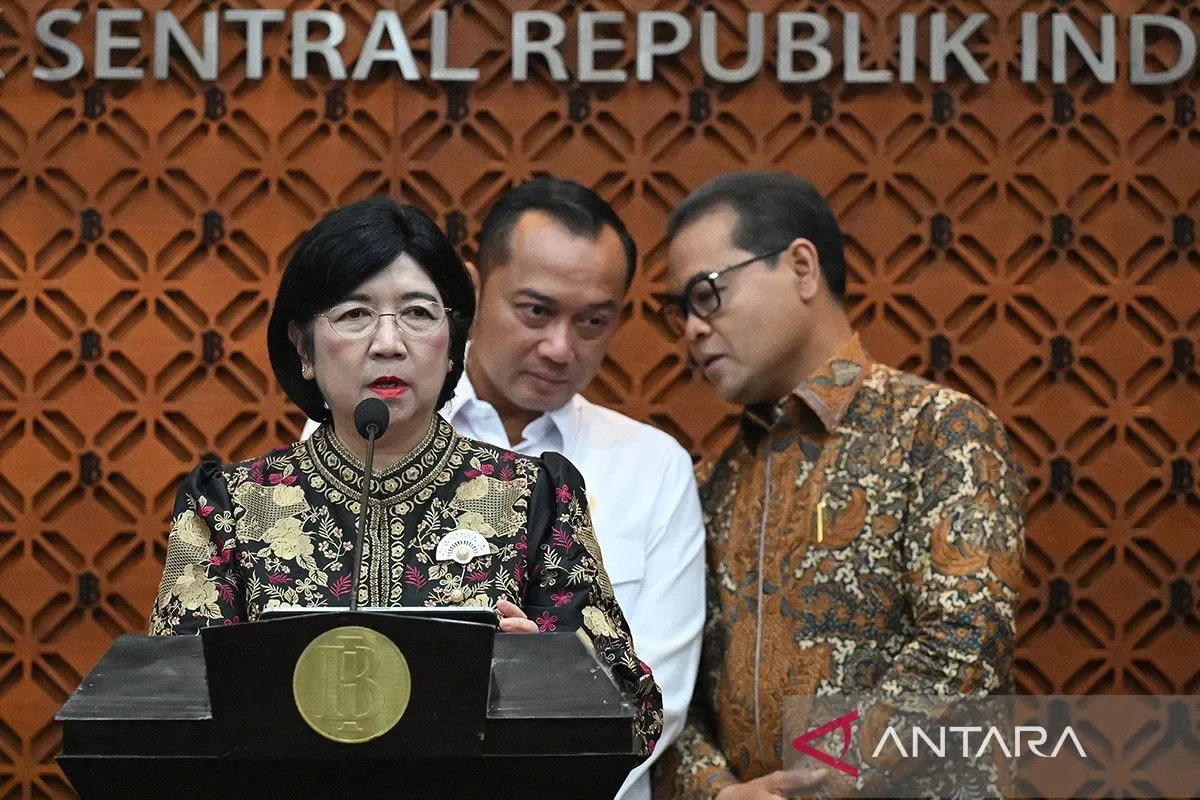
Bank Indonesia Governor announced the central bank has reduced spot market forex intervention, now focusing on the non-deliverable forward (NDF) market. Spot market intervention accounts for 30% of total intervention. The central bank continues intervening across multiple markets including offshore NDF, domestic NDF, spot, and secondary bond markets, while also lowering swap costs and optimizing tools to attract capital inflows and stabilize the rupiah.
 Reference image
Editorial responsibility
- No named human review is recorded for this page.
- Reports are grouped by semantic similarity and deterministic rules. Language models may assist titles, summaries, translation and cross-source analysis; the page reads the event directly, while its address stays stable when the title changes.
- Summary covers the current reports
Cross-source coverage
Reporting timeline
Indonesia central bank governor says it has reduced spot market intervention, shifted focus to NDF market
The Governor of Bank Indonesia (BI) announced that the central bank has reduced its foreign exchange intervention in the spot market and is now concentrating its efforts on the non-deliverable forward (NDF) market. This policy shift indicates a change in the central bank's strategy for managing the Indonesian rupiah's exchange rate. By focusing on the NDF market, BI aims to influence the currency's value through offshore derivatives rather than direct spot market sales or purchases. The statement was reported by tradealpha, a domestic financial news source. The move is likely intended to manage currency volatility more efficiently and potentially reduce the direct drain on foreign exchange reserves, while still signaling the central bank's commitment to rupiah stability.
Read sourceIndonesia Central Bank Governor Says Spot Market Forex Intervention Accounts for 30% of Total
The Governor of Bank Indonesia (BI), the country's central bank, stated that foreign exchange intervention conducted in the spot market constitutes 30% of the central bank's total intervention efforts. This disclosure provides insight into the central bank's strategy for managing the Indonesian rupiah's exchange rate. The statement was reported by financial news outlet Jin10, citing the governor directly. The figure highlights the significant role of spot market operations within the broader toolkit used by BI to stabilize the currency, which may also include interventions in the domestic non-deliverable forward (DNDF) market and bond purchases. The announcement comes amid ongoing pressures on emerging market currencies and underscores the central bank's active approach to currency management.
Read sourceIndonesia Central Bank Shifts FX Intervention from Spot Market to NDF Market
The Governor of Bank Indonesia announced that the central bank has reduced its foreign exchange intervention in the spot market and is now concentrating its efforts on the non-deliverable forward (NDF) market. This strategic shift in foreign exchange policy aims to manage the rupiah's exchange rate more effectively, likely by targeting offshore market dynamics where NDFs are commonly traded. The move reflects a change in the central bank's operational tactics to stabilize the currency without directly depleting spot market reserves. The announcement was reported by financial news outlet Jin10, citing the governor's statement.
Show 7 older updatesHide older updates
Indonesian Central Bank Official Says Currency Intervention Continues Across Multiple Markets
An official from Bank Indonesia (BI) stated that the central bank's currency intervention operations are ongoing and being conducted through multiple channels. These include offshore markets, domestic non-deliverable forwards (NDF), the spot foreign exchange market, and the secondary bond market. The statement indicates a sustained effort by BI to manage and stabilize the Indonesian rupiah's exchange rate against external pressures. The intervention strategy employs a range of financial instruments to influence the currency's value both domestically and internationally. This multi-pronged approach reflects the central bank's active role in mitigating volatility and supporting the rupiah amid global economic uncertainties.
Read sourceIndonesian Central Bank Official Says It Is Intervening to Stabilize Rupiah in Line with Fundamentals
An official from Bank Indonesia, the country's central bank, stated that the institution is actively intervening in the foreign exchange market to maintain the stability of the Indonesian rupiah. The official emphasized that the goal of this intervention is to ensure that the currency's exchange rate reflects its underlying economic fundamentals. The statement, reported by financial news outlet Jin10, indicates the central bank's ongoing commitment to managing currency volatility and supporting the rupiah's value against market pressures.
Read sourceIndonesia Central Bank Governor to Boost Swap Incentives by Lowering Costs
The Governor of Bank Indonesia (BI) announced that the central bank will enhance incentives for conducting swap transactions with the bank by reducing associated costs. This policy aims to encourage greater use of swap facilities, likely to support liquidity management and stabilize the Indonesian rupiah. The statement, reported by financial news source Jin10, indicates a proactive monetary policy approach to bolster financial market operations. The specific details of the cost reduction mechanism or the timeline for implementation were not disclosed in the brief report. This move is part of BI's broader strategy to manage foreign exchange and domestic financial conditions.
Read sourceBank Indonesia Governor Says Will Optimize Currency Intervention to Stabilize Rupiah
The Governor of Bank Indonesia (BI) announced that the central bank will optimize its currency intervention strategies in order to stabilize the Indonesian rupiah. This statement, reported by financial news outlet Jin10, indicates a proactive monetary policy approach by BI to manage exchange rate volatility. The specific measures or timeline for the optimized intervention were not detailed in the brief report. The announcement comes amid broader pressures on emerging market currencies, with the rupiah facing potential depreciation risks. The central bank's commitment to intervention aims to maintain market confidence and prevent excessive fluctuations that could impact Indonesia's economic stability. Market participants will be watching for further details on how BI plans to adjust its intervention tactics, including potential changes in the frequency, scale, or instruments used in foreign exchange operations.
Read sourceIndonesia Central Bank Governor Says Will Continue Incentive Policies to Attract Capital Inflows
The Governor of Bank Indonesia (BI) has stated that the central bank will continue to implement incentive policies aimed at attracting capital inflows into the country. This announcement, reported by financial news outlet Jin10, signals BI's ongoing commitment to maintaining a favorable investment environment to support the rupiah and bolster foreign exchange reserves. The specific nature of the incentives was not detailed in the brief statement, but the policy direction underscores Indonesia's proactive approach to managing capital flows amid global monetary tightening and volatile financial markets. The governor's remarks come as emerging markets face pressure from higher US interest rates, making competitive incentives crucial for attracting foreign investment.
Read sourceIndonesia Central Bank Governor Says Will Optimize All Tools to Attract Capital Inflows
The Governor of Bank Indonesia (BI) stated that the central bank will optimize all available policy instruments to attract capital inflows into the country. The statement, reported by financial news outlet Jin10, signals a proactive monetary stance aimed at stabilizing or strengthening the rupiah and supporting the domestic financial market amid global economic uncertainties. No specific tools or timeline were detailed in the brief announcement, but the remark underscores BI's commitment to using its full policy toolkit—including interest rates, intervention, and macroprudential measures—to enhance the attractiveness of Indonesian assets for foreign investors.
Indonesia Central Bank Governor Says Will Strengthen Measures to Stabilize Rupiah
The Governor of Bank Indonesia has announced that the central bank will enhance its measures to stabilize the Indonesian rupiah. This statement, reported by financial news outlet Jin10, indicates a proactive stance by the monetary authority to support the national currency amid potential market pressures. The specific tools or policies to be employed were not detailed in the brief announcement, but the commitment signals a focus on maintaining exchange rate stability, which is a key objective for the central bank in managing economic conditions and investor confidence.