Australia August CPI Rises 4% Year-on-Year, Below Market Expectations
Australia's headline Consumer Price Index (CPI) rose 4% year-on-year in August, slightly below the 4.1% market forecast and accelerating from 3.5% in July. Core inflation measures—trimmed mean and weighted median—both increased 3.6% annually. Monthly trimmed mean CPI rose 0.2%, down from 0.5% in July. Swap market pricing for a November rate hike fell from 40% to about 28%, though another article reported a 40% probability.
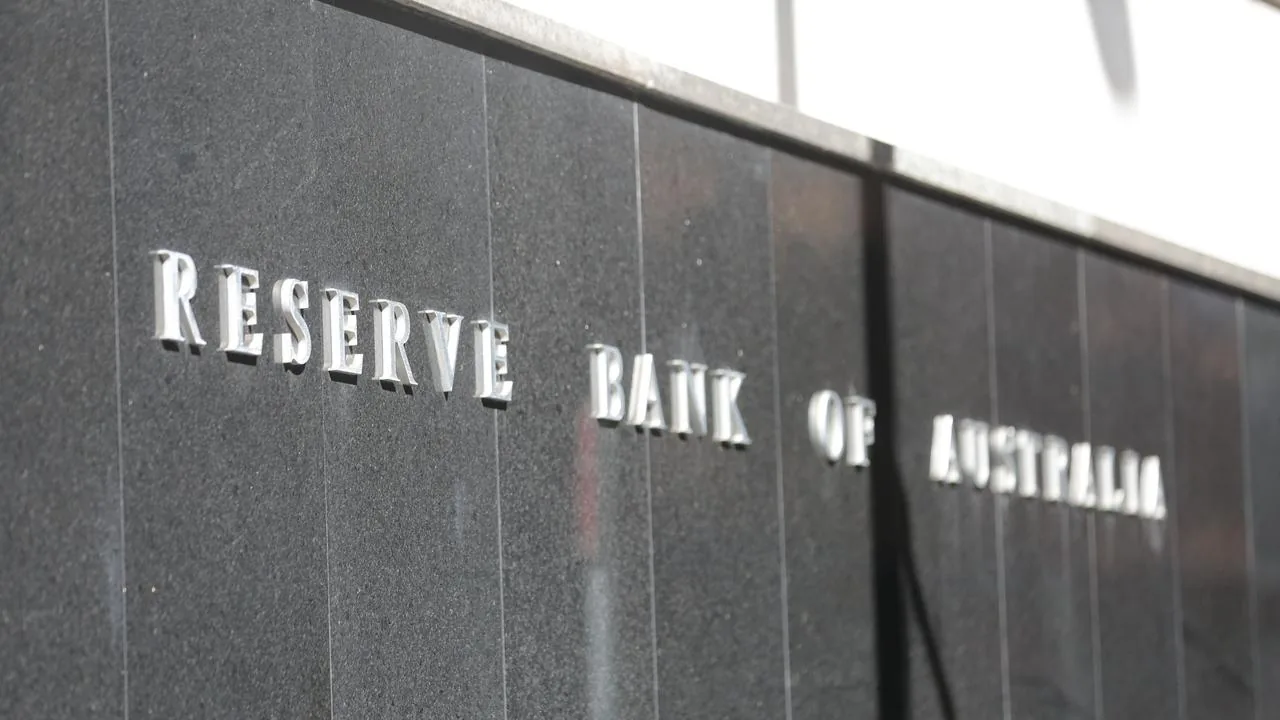 Reference image
Editorial responsibility
- No named human review is recorded for this page.
- Reports are grouped by semantic similarity and deterministic rules. Language models may assist titles, summaries, translation and cross-source analysis; the page reads the event directly, while its address stays stable when the title changes.
- Summary covers the current reports
Cross-source coverage
Common ground
- Headline CPI at 4% and trimmed mean at 3.6% are both well above the RBA's target, so inflation is still a serious problem.
- The monthly trimmed mean drop from 0.5% to 0.2% is notable and worth watching, but one month doesn't make a trend.
- Australia faces real structural issues like housing overvaluation, high immigration, and a mining-dependent economy that monetary policy alone can't fix.
- Real wages have fallen for 12 straight quarters, and mortgage stress is at record levels, causing real pain for households.
Points of contention
- One side says energy subsidies and rent assistance are just masking the problem and working against RBA rate hikes, while the other says they directly lower measured prices without boosting demand.
- There's a split on whether 4% inflation after 400 basis points of hikes is a normal slow adjustment or a sign of systemic policy failure.
- They disagree on whether the market's 28% chance of a November hike is rational uncertainty or wishful thinking driven by political paralysis.
- One side argues for patience and waiting for more data, while the other says that's avoiding the need for tough structural reforms now.
Blind spots
- Neither side fully addresses how global supply shocks like fuel and energy prices interact with Australia's unique housing and immigration pressures in a way that might require new policy tools.
- The debate overlooks the role of household savings from pandemic stimulus and how that might be sustaining demand longer than expected.
- There's little discussion of what specific structural reforms—like changes to immigration caps or housing policy—would actually work and how fast they'd impact inflation.
WorldAttention’s read
Both sides agree inflation is still too high and causing real hardship, but they clash on whether the government's subsidies help or hurt the fight. One side sees the recent dip in core inflation as a hopeful sign that rate hikes are working, while the other views it as a blip masking deeper problems like housing and immigration. The real blind spot is that no one has a clear plan for the structural fixes needed—like housing supply or immigration reform—and the debate gets stuck on whether to wait for more data or demand immediate action. In the end, the honest take is that we need several more months of data to know if inflation is truly cooling, but that doesn't let policymakers off the hook for making hard choices on housing, immigration, and spending.
Reporting timeline
Australia August Inflation Cools, Traders Cut Rate Hike Bets for Next RBA Meeting
Australia's inflation showed signs of cooling in August, prompting traders to reduce their bets on a further interest rate hike by the Reserve Bank of Australia (RBA) at its next meeting. Data released Wednesday by the Australian Bureau of Statistics revealed that the closely watched trimmed mean consumer price index (CPI) rose by 0.2% month-on-month in August, down from a 0.5% increase in July. Following the data release, pricing in the swap market indicated that the probability of the RBA raising rates again at its November meeting stood at approximately 28%, a decline from around 40% before the data was published. This shift reflects market expectations that the central bank may hold off on tightening monetary policy further as inflationary pressures ease.
Read sourceAustralian Inflation Stays High as Fuel Prices Push Up Costs, RBA Hikes Again
Australia's inflation rate remained elevated in August, with fuel price increases adding to price pressures, according to data from the Australian Bureau of Statistics released on Wednesday. The closely watched trimmed mean consumer price index rose 3.6% year-on-year, in line with market expectations. On a monthly basis, core inflation was 0.2%, below the market forecast of 0.3%. The Reserve Bank of Australia (RBA) targets inflation at the midpoint of its 2% to 3% range, a level that has not been achieved in nearly five years. Persistent inflation forced the RBA to raise interest rates for the fourth time this year on Tuesday. Money markets currently price in nearly a 40% probability of another rate hike at the RBA's November meeting.
Read sourceAustralia's August Headline CPI Rises 4% Year-on-Year, Data Shows
According to a report from tradealpha citing RTRS (Reuters), Australia's overall Consumer Price Index (CPI) for August increased by 4% compared to the same month last year. The data point provides a snapshot of inflationary pressures in the Australian economy for the month of August. No further details on core inflation, monthly changes, or market expectations were provided in the brief report.
Show 4 older updatesHide older updates
Australia central bank August CPI weighted median rises 0.3% month-on-month, 3.6% year-on-year
The Reserve Bank of Australia's (RBA) preferred measure of underlying inflation, the CPI weighted median, rose 0.3% in August from the previous month, according to data reported by RTRS. On an annual basis, the August CPI weighted median increased by 3.6% compared to the same period last year. This data point is closely watched by the RBA as it assesses the trajectory of inflation for monetary policy decisions. The figures provide a snapshot of core price pressures in the Australian economy, excluding volatile items, and will be factored into the central bank's outlook on interest rates.
Australia Central Bank August Trimmed Mean CPI Rises 0.2% Month-on-Month, 3.6% Year-on-Year
According to a report from tradealpha citing RTRS, the Reserve Bank of Australia's (RBA) trimmed mean Consumer Price Index (CPI) for August increased by 0.2% compared to the previous month. On an annual basis, the trimmed mean CPI rose by 3.6% from August of the previous year. This data point is a key measure of underlying inflation closely watched by the RBA for monetary policy decisions. The figures indicate persistent inflationary pressures within the Australian economy, though the monthly pace remains moderate. The report provides a snapshot of core inflation trends, which will inform the central bank's assessment of whether further interest rate adjustments are necessary to bring inflation back to its target range.
Australia's August Seasonally Adjusted CPI Monthly Rate Rises to 0.7% from 0.6%
Australia's seasonally adjusted Consumer Price Index (CPI) monthly rate for August came in at 0.7%, according to data from tradealpha. This marks an increase from the previous month's reading of 0.6%. The data point provides a snapshot of inflationary pressures in the Australian economy for the month of August. No further details, such as analyst expectations or breakdowns by category, were provided in the brief report. The figure is a key indicator monitored by the Reserve Bank of Australia for monetary policy decisions.
Read sourceAustralia August CPI Rises 4% Year-on-Year, Below Market Expectation of 4.1%
Australia's Consumer Price Index (CPI) for August rose 4% year-on-year, according to data from tradealpha. This figure came in slightly below the market expectation of 4.1% and marked an acceleration from the prior month's reading of 3.5%. The data provides a key indicator of inflationary pressures in the Australian economy, potentially influencing the Reserve Bank of Australia's monetary policy decisions. The report is attributed to tradealpha, a domestic source, and presents the headline inflation figure without additional breakdown or commentary.
Read source