US jury orders Apple to pay record $5.7 billion for haptic patent infringement
A federal jury in San Diego, California, ordered Apple to pay over $5.7 billion to Taction Technology for infringing two haptic feedback patents used in iPhones and Apple Watches. The jury found the infringement was not willful. Apple denies using Taction's technology, calls the verdict baseless, and plans to appeal. The award is the largest U.S. patent verdict in history.
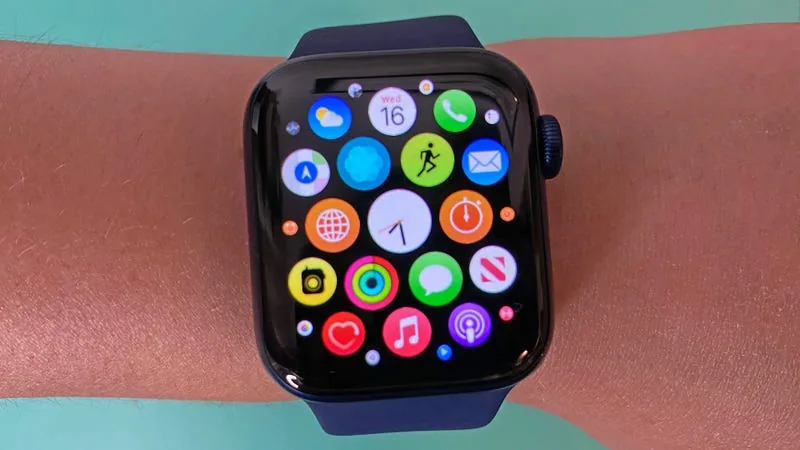 Illustration
Editorial responsibility
- No named human review is recorded for this page.
- Reports are grouped by semantic similarity and deterministic rules. Language models may assist titles, summaries, translation and cross-source analysis; the page reads the event directly, while its address stays stable when the title changes.
- Summary covers the current reports
Cross-source coverage
Common ground
- The $5.7 billion verdict against Apple is unlikely to survive in its current form due to the history of such awards being slashed or overturned on appeal.
- The jury's finding that Apple did not willfully infringe is a key factor that caps damages and weakens claims of deliberate theft.
- Third-party litigation funding, like Burford Capital backing Taction, raises transparency concerns and distorts the purpose of patent law.
- The patent system has structural problems, including low-quality patents and a process that often rewards lawyers and funders over genuine innovation.
- The case highlights a power imbalance, with Apple's vast resources and legal team contrasting with Taction's litigation backing.
Points of contention
- Whether Taction is a legitimate innovator or a non-practicing entity exploiting the system.
- Whether China's patent system is a moral alternative or just a different tool for state and corporate interests.
- Whether the non-willful finding shows the jury was competent or is a legal fiction that lets Apple off the hook.
- Whether the verdict is a rare check on corporate power or just theater that will be overturned.
- Whether the core problem is patent quality, litigation funding, or the colonial legacy of IP law.
Blind spots
- The human cost of patent litigation on consumers in the Global South, who face higher prices and limited access to technology.
- The role of the USPTO in granting overbroad patents that fuel these disputes, rather than just the court system.
- How developing nations have adopted Western patent systems without adapting them to their own needs, perpetuating inequality.
- The technical details of the patent—covering a specific algorithm for piezoelectric actuators—which may not apply to Apple's different linear resonant actuator.
WorldAttention’s read
This debate shows that the $5.7 billion verdict is less a final judgment and more a symptom of a broken patent system. While there's agreement that the award will likely be reduced on appeal and that litigation funding and power imbalances are real issues, the panel is split on who's to blame—Apple, Taction, the USPTO, or the broader colonial legacy of IP law. The key takeaway is that the system rewards legal battles over genuine innovation, and without fixing patent quality and examination, these circular disputes will continue, leaving consumers and the Global South to foot the bill.
Reporting timeline
Apple Faces $5.7 Billion Patent Verdict as Foldable iPhone Duo Nears $1,999 Launch
A California federal jury has ordered Apple to pay over $5.7 billion in damages for infringing two haptic technology patents held by Taction Technology, related to the Taptic Engine used in iPhones and Apple Watches. Apple denies using the technology and plans to appeal, meaning the final financial impact remains uncertain. Separately, Apple is preparing to launch its first foldable iPhone, the Duo, priced at $1,999 starting October 16, aiming to boost average selling prices and drive a new upgrade cycle. The company is also integrating AI features, including an enhanced Siri, to increase device utility and potentially generate recurring service revenue. The article notes that while the patent verdict is a specific legal risk, the market's focus is on whether Apple's investments in premium hardware and AI can sustain profit margins and free cash flow amid rising costs.
Apple Faces $5.7B Patent Verdict as $1,999 Foldable iPhone and AI Strategy Advance
Apple Inc. faces a $5.7 billion patent infringement verdict from a California federal jury, which found that its Taptic Engine used in iPhones and Apple Watches violates two patents held by Taction Technology. Apple denies using the technology and plans to appeal, meaning the final financial impact remains uncertain. Simultaneously, Apple is advancing its high-end product strategy with the launch of the foldable iPhone Duo, starting at $1,999, and expanding its AI capabilities. The company's AI features, including enhanced Siri interactions and potential paid service tiers, are expected to drive a new upgrade cycle and boost service revenue. The article notes that while the patent verdict is a negative event, the market's focus should be on Apple's ability to convert its premium hardware and AI investments into sustained profitability and free cash flow, especially given that iPhone and services accounted for 77.7% of total revenue in the latest quarter.
Read sourceApple Hit With Record $5.7 Billion Patent Verdict Over Touch Technology
A federal jury in San Diego, California, has ordered Apple to pay over $5.7 billion in damages to Taction Technology for patent infringement, marking the largest patent award in U.S. history. Taction sued Apple in 2021, alleging that Apple's haptic engine in Apple Watch and iPhone models used its patented touch-sensor technology without authorization. The case was initially dismissed in 2023 but reinstated by a federal appeals court. Apple strongly disputed the verdict, stating in a statement that the decision lacks factual basis, that its haptic engine is fundamentally different from Taction's technology, and that Taction's own tests during the trial confirmed this. Apple plans to appeal. Taction's lead attorney, Lance Yang, thanked the jury and noted the company waited five and a half years for the trial. The award is subject to post-trial motions and likely appeals, which could reduce or overturn the amount. While the $5.7 billion sum is not financially crippling for Apple, analysts suggest a final ruling in Taction's favor could encourage other haptic technology patent holders to sue smartphone makers.
Read sourceShow 17 older updatesHide older updates
Apple Ordered to Pay Record $5.7 Billion in Patent Lawsuit Over Taction Technology
A federal jury in San Diego, California, ruled on Friday that Apple must pay over $5.7 billion in damages to Taction Technology for infringing patents related to haptic sensor technology used in Apple Watch and iPhone devices. This is the largest patent damages award in U.S. history. Taction filed the lawsuit in 2021, alleging Apple's Taptic Engine, introduced in 2014, unlawfully used Taction's vibration-based touch sensor inventions. The case was initially dismissed in 2023 but reinstated by a federal appeals court. Apple strongly disputed the verdict, stating it did not use Taction's technology and that the Taptic Engine is fundamentally different. Apple plans to appeal, which could delay final payment for years. The presiding judge will first rule on post-trial motions before the case moves to an appeals court, where such large awards are often reduced or overturned. While the $5.7 billion sum is not financially significant for Apple, covering less than one quarter's profit, analysts note that if upheld, the verdict could encourage other haptic technology patent holders to sue smartphone makers.
Read sourceApple Ordered to Pay $5.7 Billion in Patent Lawsuit Over Taction Touch Technology
A federal jury in San Diego, California, has ordered Apple to pay over $5.7 billion in damages for using Taction Technology's patented haptic sensor technology without authorization in its Apple Watch and iPhone devices. This is reportedly the largest patent damages award in U.S. history. Taction sued Apple in 2021, alleging that Apple's Taptic Engine, introduced in 2014 with the Apple Watch and later in the iPhone 6s, infringed on its vibration-based touch sensor patents. The case was initially dismissed in 2023 but reinstated by a federal appeals court. Apple has stated it strongly disagrees with the verdict, calling it baseless, and plans to appeal, arguing its technology is fundamentally different. Taction's lead attorney, Lance Yang, thanked the jury and noted the long legal battle. Analysts note that while the $5.7 billion sum is not financially crippling for Apple, a successful appeal could reduce or overturn the award, but an upheld verdict might encourage other haptic technology patent holders to sue smartphone makers.
US Court Orders Apple to Pay $5.7 Billion for Patent Infringement
A US court has ordered Apple to pay $5.7 billion in damages for infringing patents held by Taction Technology. The patents relate to the vibration mechanism used in Apple's iPhone and Apple Watch. The ruling, reported by Die Welt on September 27, 2026, represents a significant financial penalty for the tech giant. Taction Technology accused Apple of using its patented technology without authorization in the haptic feedback systems of these popular devices. The court's decision underscores the ongoing legal challenges Apple faces over intellectual property rights. The exact details of the patents and the specific models involved were not disclosed in the report. The judgment is subject to potential appeals by Apple.
Read sourceUS jury orders Apple to pay $5.7 billion in patent case; company vows appeal
A US jury has ruled that Apple must pay more than $5.7 billion to Taction, a San Diego-based company, for infringing two patents related to haptic feedback technology used in the iPhone and Apple Watch. The verdict, reported by Reuters on March 26, is one of the largest patent damages awards in US history. Apple's Taptic Engine, which produces tapping vibrations, was found to violate Taction's patents. Apple has denied the allegations, stating that its technology is fundamentally different from Taction's and that the patents are invalid. The company plans to appeal the decision. The case was revived in 2025 by the US Federal Circuit Court of Appeals after a federal judge in San Diego had ruled in 2023 that Apple did not infringe the patents. Taction, which applies its technology to headphones and gaming headsets, originally filed the lawsuit in 2021.
Read sourceJury orders Apple to pay $5.72B in largest U.S. patent verdict over haptics technology
A jury has ordered Apple to pay $5.72 billion to Taction Technology, the largest U.S. patent verdict ever, for infringing patents covering haptics technology used in iPhones and Apple Watches. The patents involve tactile transducers that move an internal mass electromagnetically and damp its resonance, including with ferrofluid, to create touch-perceived vibration. Taction argued Apple's Taptic Engine falls within those claims, while Apple contends its actuator is fundamentally different and does not use Taction's technology. Apple had initially won the case in 2023, but an appeals court overturned that decision in 2025 and sent it back for trial. The jury sided with Taction but did not find that Apple knowingly infringed the patents. The $5.72 billion award may still be reduced or overturned, and Apple has stated the damages calculation is flawed and plans to appeal.
Read sourceUS Jury Orders Apple to Pay $5.7 Billion for Patent Infringement
A US jury has ordered Apple to pay more than $5.7 billion for infringing two patents held by Taction Technology. The jury found that Apple's 'Taptic Engine,' which powers vibration alerts in iPhones and Apple Watches, used Taction's technology without authorization. The jury determined that Apple did not willfully infringe the patents; if it had, the damages could have been tripled. Apple has announced it disagrees with the verdict and will appeal, claiming it does not use Taction's technology. The article notes that large jury awards in US patent cases are not uncommon, and such amounts are often significantly reduced on appeal. The verdict was reported by German news agency dpa and published by Die Welt on September 26, 2026.
US Jury Orders Apple to Pay $5.7 Billion in Patent Case; Apple to Appeal
A U.S. jury has ruled that Apple must pay more than $5.7 billion to Taction, a San Diego-based company, for using patented haptic feedback technology in iPhones and Apple Watches without authorization. The technology, known as Taptic Engine, generates tapping vibrations. The verdict is one of the largest of its kind in U.S. history. Apple has announced it will appeal, arguing that its Taptic Engine is fundamentally different from Taction's technology and that tests conducted by Taction during a trial period confirmed this. Apple also claims the patents are invalid. Taction, which applies its technology to headphones and gaming headsets, originally filed the lawsuit in 2021. The case was revived by the U.S. Federal Circuit Court of Appeals in 2025 after a federal judge in San Diego had ruled in 2023 that Apple did not infringe the patents. The report is based on information from Reuters and was published by Zhongxin Jingwei.
Read sourceJUST IN: Apple ordered to pay a record $5,700,000,000.00 after a U.S. jury finds it used patented haptic technology in iPhones & Apple Watches.
A U.S. jury has ordered Apple to pay a record $5.7 billion after finding that the company used patented haptic technology in its iPhones and Apple Watches without authorization. The verdict, announced via a Polymarket post, represents one of the largest patent infringement awards in history. The case centered on haptic feedback technology, which provides tactile responses to user inputs. Apple has not yet publicly commented on the ruling or indicated whether it will appeal. The decision could have significant financial and operational implications for Apple's flagship product lines.
Read sourceApple Ordered to Pay $5.7 Billion in Patent Case Over iPhone and Watch Touch Technology
A federal jury in San Diego on Friday ordered Apple to pay $5.7 billion (approximately 382.66 billion yuan) for infringing two patents held by Taction Technology Inc. related to haptic feedback technology used in multiple iPhone and Apple Watch models. The disputed component is Apple's Taptic Engine, which generates taps, vibrations, and other physical feedback during user interactions. The jury found the infringement was not willful, which may limit Taction's ability to seek punitive damages. Apple stated it disagrees with the verdict and the damages amount, and plans to appeal, arguing that its Taptic Engine works fundamentally differently from the technology described in Taction's patents. The article also notes a separate lawsuit filed by BASF subsidiary trinamiX on September 3 in Texas federal court, alleging that Apple's Face ID technology in iPhone 15-17 series and iPad Pro models infringes seven patents related to facial authentication, originally stemming from BASF's 2010 organic solar cell research.
Read sourceApple Ordered to Pay $5.7 Billion for iPhone and Apple Watch Touch Patent Infringement; Plans Appeal
On September 25, a federal jury in San Diego ordered Apple to pay $5.7 billion (approximately 382.66 billion yuan) for infringing two patents held by Taction Technology Inc. related to haptic technology used in multiple iPhone and Apple Watch models. The disputed component is Apple's Taptic Engine, which generates taps, vibrations, and other physical feedback. The jury found the infringement was not willful, potentially limiting punitive damages. Apple stated it disagrees with the verdict and the damages amount, and plans to appeal, arguing its haptic engine works fundamentally differently from Taction's patented technology. Separately, on September 3, BASF subsidiary trinamiX filed a lawsuit in the U.S. District Court for the Western District of Texas, accusing Apple's Face ID technology in iPhone 15-17 series and iPad Pro of infringing seven facial authentication patents. trinamiX seeks damages and an injunction but did not specify a monetary amount.
Read sourceApple Ordered to Pay $5.7 Billion in Patent Case Over iPhone and Watch Touch Technology
On September 25, a federal jury in San Diego ordered Apple to pay $5.7 billion (approximately 382.66 billion yuan) for infringing two patents held by Taction Technology Inc. related to haptic feedback technology used in multiple iPhone and Apple Watch models. The disputed technology is Apple's Taptic Engine, which generates taps, vibrations, and other physical feedback. The jury found the infringement was not willful, potentially limiting punitive damages. Apple stated it disagrees with the verdict and the damages amount, and plans to appeal, arguing its Taptic Engine works fundamentally differently from Taction's patented technology. Separately, on September 3, trinamiX, a subsidiary of BASF, filed a lawsuit in the U.S. District Court for the Western District of Texas, accusing Apple's Face ID technology in iPhone 15-17 series and iPad Pro of infringing seven patents related to facial authentication. trinamiX seeks damages and an injunction but did not specify an amount.
Read sourceApple Ordered to Pay $5.7 Billion for iPhone and Apple Watch Patent Infringement; Plans to Appeal
On September 25, a federal jury in San Diego ordered Apple to pay $5.7 billion (approximately 382.66 billion yuan) for infringing two patents held by Taction Technology Inc. related to haptic technology used in multiple iPhone and Apple Watch models. The disputed technology is Apple's Taptic Engine, which provides touch feedback. The jury found the infringement was not willful, potentially limiting punitive damages. Apple stated it disagrees with the verdict and the damages amount, and plans to appeal, arguing its haptic engine works fundamentally differently from Taction's patented technology. Separately, on September 3, trinamiX, a subsidiary of BASF, filed a lawsuit in the U.S. District Court for the Western District of Texas, accusing Apple's Face ID technology in iPhone 15-17 series and iPad Pro of infringing seven patents related to facial authentication. trinamiX seeks damages and an injunction but did not specify an amount.
Read sourceApple Ordered to Pay $5.7 Billion for iPhone and Apple Watch Touch Patent Infringement; Plans Appeal
On September 25, a federal jury in San Diego ordered Apple to pay $5.7 billion (approximately 382.66 billion yuan) for infringing two patents held by Taction Technology Inc. related to haptic feedback technology used in multiple iPhone and Apple Watch models. The disputed technology is Apple's Taptic Engine, which generates taps, vibrations, and other physical feedback. The jury found the infringement was not willful, potentially limiting punitive damages. Apple stated it disagrees with the verdict and the damages amount, and plans to appeal, arguing its Taptic Engine works fundamentally differently from Taction's patented technology. Separately, on September 3, trinamiX, a subsidiary of BASF, filed a lawsuit in the U.S. District Court for the Western District of Texas, accusing Apple's Face ID technology in iPhone 15-17 series and iPad Pro of infringing seven facial authentication patents. trinamiX seeks damages and an injunction but did not specify an amount.
Read sourceApple Ordered to Pay $5.7 Billion in Record US Patent Verdict; Stock Rises
A U.S. jury has ordered Apple to pay $5.7 billion to Taction Technology for infringing two patents related to vibration technology used in iPhones and Apple Watches. This is the largest patent verdict in U.S. history. However, the jury found that Apple's infringement was not willful. The lawsuit is backed by litigation finance firm Burford Capital and two third-party entities, though the exact financial terms of their involvement remain undisclosed. Despite the massive judgment, Apple's stock price rose to a new high on Friday, as markets anticipated the verdict might be reduced or overturned on appeal, a common outcome for such large awards. The article notes that similar multi-billion-dollar verdicts in the U.S. have often been reversed or significantly reduced. The analysis suggests that the market views the ruling as unlikely to have a lasting financial impact on Apple.
Read sourceApple Ordered to Pay Record $5.7 Billion in Patent Verdict, Stock Rises
A U.S. jury has ordered Apple to pay $5.7 billion to Taction Technology for infringing two patents related to vibration technology used in iPhones and Apple Watches. The verdict is the largest patent damages award in U.S. history. However, the jury found that Apple's infringement was not willful. The plaintiff Taction is backed by litigation finance firm Burford Capital, which funded the lawsuit in exchange for a share of any award; the exact terms of the funding agreement remain confidential. Apple's stock rose to a new high on Friday, as markets anticipated that the award would likely be reduced or overturned on appeal, a common outcome for such large verdicts. The article notes that previous multi-billion-dollar patent verdicts in the U.S. have typically been substantially reduced or reversed.
Read sourceApple Ordered to Pay Record $5.7 Billion in Patent Verdict, Stock Rises
A U.S. jury has ordered Apple to pay $5.7 billion in damages for infringing two patents related to vibration technology used in iPhones and Apple Watches, marking the largest patent verdict in U.S. history. The patents are owned by Taction Technology, which is backed by third-party litigation funders whose investment terms remain undisclosed. The jury found the infringement was not willful. Despite the massive award, Apple's stock rose to a new high on Friday, as markets anticipated the verdict would likely be reduced or overturned on appeal, following a pattern of large U.S. patent verdicts being later adjusted. The article notes that external capital entities financed the lawsuit, but the exact financial arrangements are confidential.
Read sourceApple Ordered to Pay $5.7 Billion in Haptic Feedback Patent Case, Plans Appeal
A federal jury in San Diego, California, has ruled that Apple Inc. infringed on two haptic feedback patents owned by Taction Technology, ordering the tech giant to pay over $5.7 billion in damages. The patents relate to vibration technology used in multiple iPhone and Apple Watch models. The jury found that Apple's infringement was not willful. Apple issued a statement strongly disagreeing with the verdict and the awarded amount, calling them 'completely lacking in factual basis.' The company stated it did not use Taction's technology and confirmed it will file an appeal. The case highlights ongoing legal challenges over smartphone and wearable device technologies.
Read source