Apple’s foldable iPhone Duo faces 60% assembly yield ahead of October launch
Apple’s first foldable iPhone, the iPhone Duo, is experiencing a low assembly yield rate of just over 60% at Foxconn, far below Apple’s quality standards, as mass production ramps up ahead of an October launch. Key bottlenecks include Samsung Display’s foldable OLED panels and hinge components. Apple may relax quality standards to accelerate production. Global shipment targets for 2026 are 6-8 million units, with initial sales guidance exceeding 500,000 units.
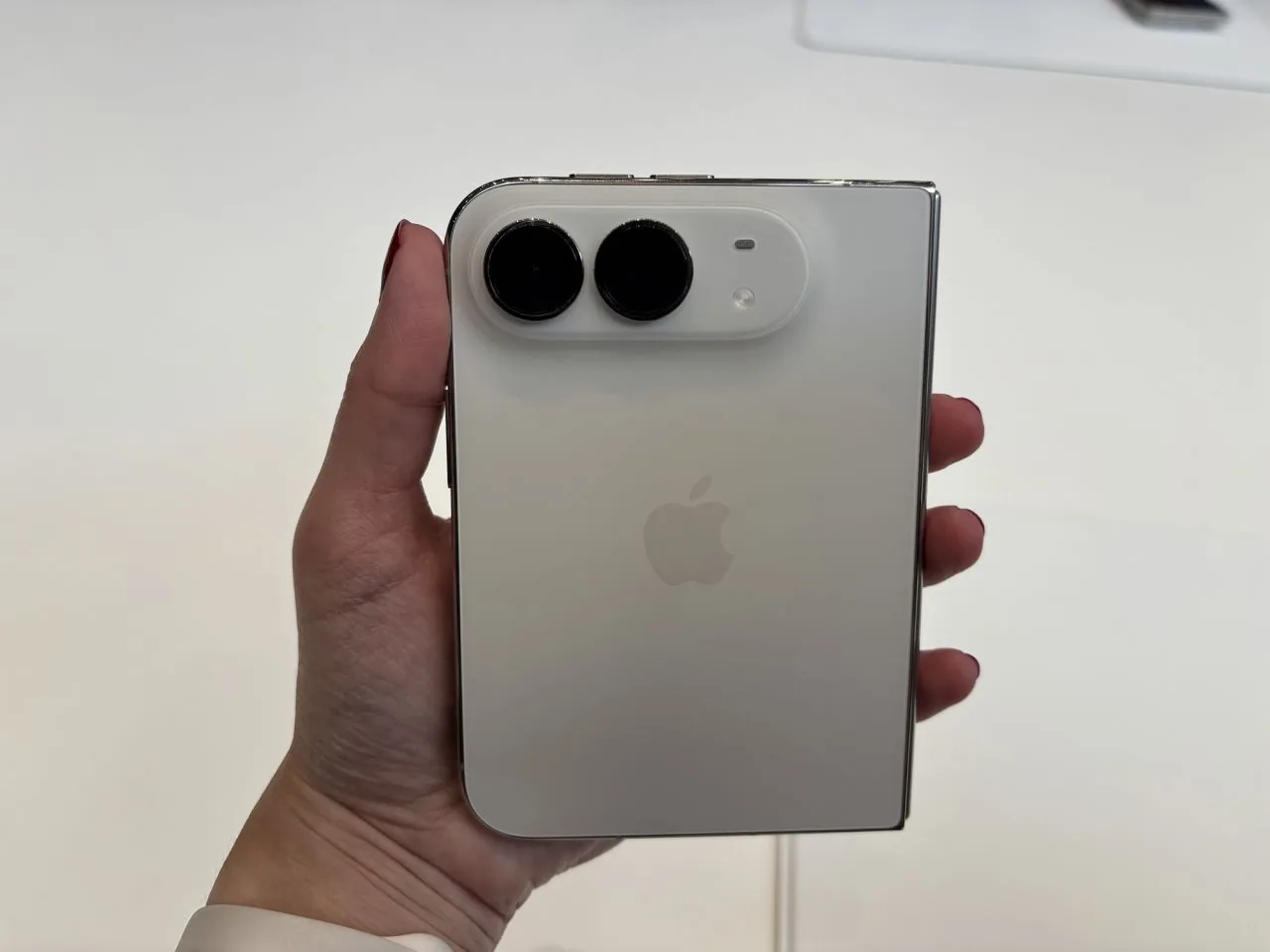 Reference image
Editorial responsibility
- No named human review is recorded for this page.
- Reports are grouped by semantic similarity and deterministic rules. Language models may assist titles, summaries, translation and cross-source analysis; the page reads the event directly, while its address stays stable when the title changes.
- Summary covers the current reports
Cross-source coverage
Common ground
- The 60% yield rate for the iPhone Duo is a typical first-generation foldable problem, not a unique failure.
- Chinese suppliers like Lens Technology and Lingyi iTech have developed real engineering expertise and proprietary processes for components like the hinge and glass.
- Software optimization for foldable apps is a major bottleneck, and Apple's App Store leverage gives it a unique advantage in pushing developer adoption.
- Apple's 43-day launch delay shows a disciplined approach to fixing production issues rather than rushing a flawed product.
Points of contention
- Whether Chinese suppliers are true innovators or just skilled at scaling and refining Western-developed technology.
- Whether Apple's leverage over suppliers is shrinking due to competition from Chinese OEMs like Huawei and Xiaomi.
- Whether the current division of labor (Apple designs, China manufactures) is an evolution of the same old system or a fundamental power shift.
- Whether Chinese foldables already have mature app ecosystems or just basic, unoptimized app stretching.
Blind spots
- Both sides overlook the long-term sustainability of yield improvements—whether Chinese suppliers can reach 90%+ yields within two generations.
- The debate ignores the role of other global players, like Japanese and Swiss machine tool makers, in enabling precision manufacturing.
- Neither side fully addresses how consumer demand and pricing will shape the foldable market's success beyond supply chain dynamics.
WorldAttention’s read
The iPhone Duo's 60% yield rate is a normal first-gen foldable challenge, not a crisis. Chinese suppliers have genuinely moved up the value chain, developing proprietary processes for complex components like the hinge and glass, but they remain manufacturing partners rather than equals in design and software control. Apple's real strength lies in its App Store leverage to force developer optimization for foldables—a structural advantage no Chinese OEM can match. The debate over whether this is an evolution or a revolution in global tech manufacturing comes down to perspective: the division of labor has grown more sophisticated, but Apple still holds the reins on design, brand, and profit margins. The key blind spot is whether Chinese suppliers can sustain yield improvements to 90%+ in future generations, which will determine if this is a temporary learning curve or a lasting shift in power.
Reporting timeline
Apple's Foldable iPhone Duo Assembly Yield Only 60% as Mass Production Ramps Up
According to an exclusive report from Interface News citing sources close to Foxconn's supply chain, Apple's first foldable iPhone, the iPhone Duo, is facing significant production challenges just over a month before its scheduled launch. Foxconn's current assembly yield rate is only around 60%, far below Apple's mature quality standards, which may take six months to a year to achieve. Apple is reportedly considering whether to relax quality requirements to accelerate mass production. The low yield is attributed not to a single technical failure but to the need for ongoing adjustments to equipment, processes, and parameters on the new production line. Delays in the delivery of key components, including Samsung Display's foldable OLED panels and hinge parts, have further compressed the time available for assembly line tuning. A supply chain source stated that Apple's global shipment target for the iPhone Duo in 2026 is 6 to 8 million units, significantly lower than the 20-30 million units for a typical Pro or Pro Max model. The hinge and screen crease are identified as major obstacles to mass production. Apple has extended the time between launch and sale to 36 days for pre-order and 43 days for release, compared to an average of 3 and 10 days for previous iPhones. Chinese suppliers, including Lens Technology for UTG glass and Lingyi iTech for hinge components, are playing key roles. Analysts and industry insiders express cautious optimism that Apple's entry could expand the foldable market, which currently has only 1.4% penetration, and drive software ecosystem development.
Read sourceApple's first foldable iPhone Duo faces 60% assembly yield rate ahead of October launch
Apple's first foldable smartphone, the iPhone Duo, is struggling with production ramp-up just over a month before its scheduled October launch, according to an exclusive report from Jiemian News citing Foxconn supply chain sources. The current assembly yield rate at Foxconn is only around 60%, far below Apple's quality standards, and achieving mature production levels may take six months to a year. Apple is reportedly considering whether to relax quality requirements to accelerate mass production. Key components including Samsung Display's foldable OLED panels and hinge parts have also faced yield issues and delivery delays. The hinge and screen crease problems are major bottlenecks, with Apple using custom nano-textured UTG glass from China's Lens Technology and hinge components from Lingyi iTech. Apple has set a global sales target of 6-8 million units for 2026, with channel guidance exceeding 5 million units. Analysts cited in the report believe Apple's entry could expand the foldable market, which currently has only 1.4% penetration, and drive software ecosystem development. The first-generation product is expected to eventually reach 20-30 million units in annual sales within 2-3 years as production matures.
Read sourceApple's iPhone Duo Foldable Yield Rate at 60%, Mass Production Still Ramping Up
Apple's first foldable phone, the iPhone Duo, is facing significant production challenges just over a month before its scheduled October launch. According to an exclusive report from Jiemian News citing sources close to Foxconn's supply chain, the current assembly yield rate is only around 60%, far below Apple's mature quality standards. The company is reportedly considering whether to relax quality requirements to accelerate mass production. Key bottlenecks include the foldable OLED panel from Samsung Display and the complex hinge mechanism, which have both experienced yield issues and delivery delays. The hinge, composed of over 100 parts, and the screen crease problem are cited by Mizuho Securities as major hurdles. Apple has extended the time between launch and sale to 36 days, compared to the usual 3 days, to allow for more production ramp-up. The initial global shipment target is 6-8 million units, with sales guidance exceeding 5 million units. Chinese suppliers like Lens Technology (UTG glass) and Lingyi iTech (hinge components) are playing critical roles. Analysts and industry sources believe Apple's entry could expand the foldable market, which currently has only 1.4% penetration, and drive software ecosystem development, though the first generation is seen as a niche product that may take 2-3 years to reach mainstream volumes of 20-30 million units.
Show 2 older updatesHide older updates
Apple's iPhone Duo foldable assembly yield at 60%, mass production ramp still incomplete
Apple's first foldable iPhone, the iPhone Duo, faces production challenges with assembly yield at just over 60% at Foxconn, according to Interface News sources. The device, announced September 10, will launch October 23, far later than typical iPhone release timelines. Key bottlenecks include Samsung Display's OLED panel delivery delays and hinge component issues, including liquid metal testing and re-evaluation. Chinese suppliers like Lens Technology (UTG glass), Lingyi iTech (hinge parts, support plates), and Zhuhai CosMX (battery cells) are critical to production. Apple must decide whether to relax quality standards to accelerate mass production. The company's 2026 sales guidance exceeds 500,000 units, roughly a quarter of the global foldable market. Analysts expect foldable software ecosystem development to be key to long-term success, with potential sales reaching 20-30 million units in 2-3 years if the ecosystem matures.
Read sourceApple's iPhone Duo Folding Phone Faces 60% Yield Rate, Mass Production Still Ramping Up
According to an exclusive report from Jiemian News citing sources close to Foxconn's supply chain, Apple's first foldable iPhone, the iPhone Duo, is experiencing a low assembly yield rate of just over 60% as of mid-September, with mass production still in its ramp-up phase. The report states that Apple may need to decide whether to relax quality standards to accelerate production. Key challenges include yield issues with Samsung Display's foldable OLED panels and hinge components, as well as screen crease problems. The iPhone Duo is scheduled for pre-order on October 16 and release on October 23, a significantly longer gap from its September 9 launch than typical iPhone models. Industry sources indicate Apple's initial sales guidance exceeds 500 million units, with global stocking targets of 6-8 million units. The article highlights the critical role of Chinese suppliers like Lens Technology (UTG glass), Lingyi iTech (hinge components and battery cases), and others in the manufacturing process. Analysts and industry insiders express cautious optimism that Apple's entry could expand the foldable phone market, which currently has only 1.4% penetration, and drive software ecosystem development, though the first generation is seen as a niche product that may take years to reach mainstream volumes of 20-30 million units.
Read source