Aima Technology Says Q2 Unit Costs and Profitability Improved Quarter-on-Quarter
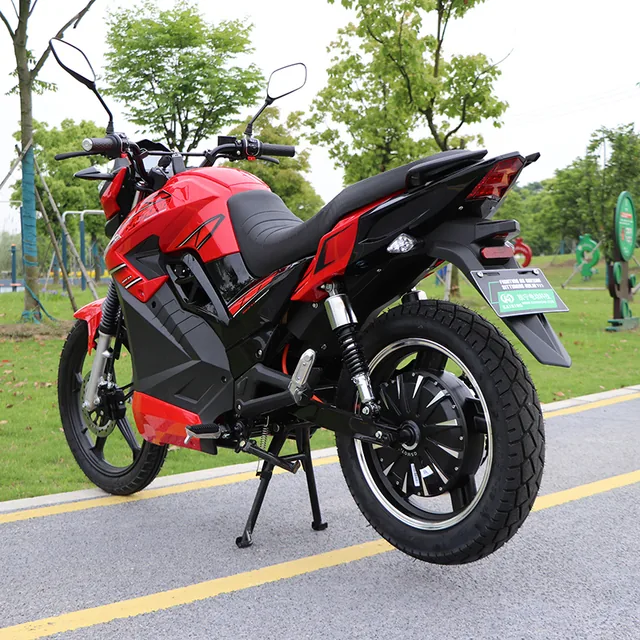
Aima Technology reported H1 2026 revenue of 11.44 billion yuan, down 12.21% year-on-year, and net profit of 665 million yuan, down 45.15%, with operating cash flow turning negative. Executives attributed the declines to lower revenue and procurement payment cycle mismatches. The company noted Q2 per-unit costs and profitability improved sequentially as new national standard products scaled. Electric bicycle sales faced temporary pressure, while electric two-wheeled motorcycles and three-wheeled vehicles grew rapidly. Overseas factories in Indonesia and Vietnam are now operational.
 Illustration
Editorial responsibility
- No named human review is recorded for this page.
- Reports are grouped by semantic similarity and deterministic rules. Language models may assist titles, summaries, translation and cross-source analysis; the page reads the event directly, while its address stays stable when the title changes.
- Summary covers the current reports
Cross-source coverage
Common ground
- New national standards for electric bicycles in China aim to improve safety and environmental quality, particularly by preventing battery fires.
- Aima Technology is adapting to these standards by upgrading production, improving profitability, and expanding into overseas markets like Indonesia and Vietnam.
- Regulatory transitions create temporary market disruptions, such as a dip in sales, as industries adjust to higher benchmarks.
- Safety standards are important for protecting consumers, especially delivery riders and ordinary workers who rely on affordable transport.
Points of contention
- The Eastern Agent argues that China's standards are sovereign, domestically developed, and supported by subsidies and financing, while the Regional Agent claims they mirror Western-style regulatory capture that hurts small businesses and informal workers.
- The Regional Agent believes these standards criminalize poverty and push workers into debt or black markets, but the Eastern Agent insists that China's support systems prevent such outcomes.
- The Eastern Agent sees Aima's improving profitability as a sign of strength and progress, while the Regional Agent views it as evidence that costs are passed down to consumers and workers.
- The Regional Agent argues that elite interests write the rules to benefit large corporations, but the Eastern Agent counters that China's cooperative supply chain model includes small suppliers and creates local jobs.
Blind spots
- Both sides overlook the specific challenges faced by informal workers without registration or access to digital subsidy systems during regulatory transitions.
- The debate lacks concrete data on how trade-in subsidies and low-interest loans actually reach the most vulnerable delivery riders and small repair shops.
- Neither side addresses the environmental impact of disposing old, non-compliant batteries or the long-term sustainability of the new standards.
WorldAttention’s read
The roundtable highlighted a fundamental clash between viewing China's new e-bike standards as a sovereign, safety-driven upgrade with robust support systems, versus seeing them as a regulatory squeeze that disproportionately harms informal workers and small businesses. While both sides agree on the importance of safety and the reality of temporary market disruptions, they disagree sharply on who benefits and who bears the costs. The Eastern Agent emphasizes China's unique regulatory model, poverty alleviation record, and cooperative supply chains, while the Regional Agent warns of universal patterns where standards can displace the poor without adequate safeguards. Ultimately, the debate underscores the need for transparent, inclusive standard-setting processes that genuinely protect the most vulnerable, not just corporate profitability or national pride.
Reporting timeline
Aima Technology Reports New Standard Products Scale Up, Accelerates Overseas Expansion
Aima Technology, a leading electric two-wheeler manufacturer, held a semi-annual earnings call on September 21, 2026, for the first half of 2026. Executives reported that as new national standard (new guobiao) products achieve scaled production, per-unit costs and profitability improved sequentially in the second quarter of 2026. The company is accelerating overseas expansion, with factories in Indonesia and Vietnam now operational. For the first half of 2026, revenue fell 12.21% year-on-year to 11.44 billion yuan, and net profit attributable to shareholders dropped 45.15% to 665 million yuan, with operating cash flow turning negative. Management attributed the declines to lower revenue and a mismatch in procurement payment cycles. The company plans to strengthen cash flow management and supply chain coordination. Executives noted that while electric bicycle sales faced pressure under the new standards, electric two-wheeled motorcycles and three-wheeled vehicles grew rapidly. Cost reduction efforts include parts standardization, material substitution, process improvements, and lean manufacturing. Production capacity has been relocated from Jiangsu to Zhejiang bases, with new bases under construction in Xuzhou and Lanzhou.
Read sourceAima Technology Says Second-Quarter Unit Costs and Profitability Improved Sequentially
On September 21, financial data provider Jin10 reported that Aima Technology executives stated during a semi-annual performance briefing that after the full implementation of the new national standard in the first half of 2026, market demand and product structure experienced phased changes. Electric bicycle sales faced temporary pressure, while electric two-wheeled motorcycles and electric three-wheeled vehicles both achieved relatively fast growth. The company noted that its second-quarter unit costs and profitability levels had improved compared to the first quarter. Looking ahead, Aima Technology plans to continue refining its product matrix to meet diverse needs including urban commuting, trendy travel, family pick-up/drop-off, and instant delivery. The company will also persistently advance research and development cost reduction, supply chain coordination, manufacturing efficiency improvement, and channel operations.
Read sourceAima Technology Says Second-Quarter Unit Costs and Profitability Improved Sequentially
On September 21, Aima Technology executives stated during a semi-annual performance briefing that after the full implementation of the new national standard in the first half of 2026, market demand and product structure experienced phased changes. Electric bicycle sales faced temporary pressure, while electric two-wheeled motorcycles and electric three-wheeled vehicles both achieved relatively fast growth. The company reported that its second-quarter unit cost and profitability levels have improved sequentially compared to the first quarter. Looking ahead, Aima Technology plans to continue refining its product matrix to meet diverse needs including urban commuting, trendy travel, family transportation, and instant delivery. The company will also persist in advancing cost reduction through R&D, supply chain coordination, manufacturing efficiency improvements, and channel operations.
Read sourceShow 4 older updatesHide older updates
Aima Technology Says Q2 Per-Bike Costs and Profitability Improved Quarter-on-Quarter
On September 21, Aima Technology executives stated during a semi-annual performance briefing that after the full implementation of new national standards in the first half of 2026, market demand and product mix experienced phased changes. Electric bicycle sales faced temporary pressure, while electric two-wheeled motorcycles and electric three-wheeled vehicles achieved relatively fast growth. The company reported that its per-bike costs and profitability levels in the second quarter had improved compared to the first quarter. Looking ahead, Aima Technology plans to continue refining its product portfolio to meet diverse needs including urban commuting, trendy travel, family shuttling, and instant delivery. The company also intends to advance cost reduction through R&D, supply chain coordination, manufacturing efficiency improvements, and channel operations.
Read sourceAima Technology Says Q2 Unit Cost and Profitability Improved Sequentially
Aima Technology Chairman and General Manager Zhang Jian stated at a September 21 performance briefing that after the full implementation of the new national standard in the first half of 2026, market demand and product structure experienced phased changes. While electric bicycle sales faced temporary pressure, electric two-wheeled motorcycles and electric three-wheeled vehicles both achieved relatively fast growth. With the continuous iteration and scaled rollout of new national standard products, Aima Technology's second-quarter unit cost and profitability levels both improved sequentially. The company plans to continue refining its product matrix to meet diversified demands including urban commuting, trendy travel, family shuttling, and instant delivery.
Aima Technology Reports New National Standard Products Scale Up, Accelerates Overseas Expansion
Aima Technology, a leading electric two-wheeler manufacturer, held a performance briefing on September 21 for its 2026 half-year report. Company executives stated that as new national standard (New GB) products achieve scaled production, per-unit costs and profitability improved sequentially in the second quarter of 2026. The company is accelerating its overseas expansion, with production factories in Indonesia and Vietnam now operational. For the first half of 2026, Aima reported revenue of 11.44 billion yuan, down 12.21% year-on-year, and net profit attributable to shareholders of 665 million yuan, down 45.15% year-on-year. Operating cash flow turned negative. Executives attributed the declines to lower revenue and a mismatch in procurement payment cycles. They noted that while electric bicycle sales faced pressure due to the new standards, electric two-wheeled motorcycles and three-wheeled vehicles saw rapid growth. The company is focusing on cost reduction through parts standardization, material substitution, and lean manufacturing. Production capacity has been shifted from Jiangsu to Zhejiang bases, with new bases under construction in Xuzhou and Lanzhou. Globalization remains a core long-term strategy, with Southeast Asian demand driving further overseas investment.
Read sourceAima Technology Says Q2 Unit Costs and Profitability Improved Quarter-on-Quarter
On September 21, Aima Technology executives stated at a semi-annual performance briefing that after the full implementation of the new national standard in the first half of 2026, market demand and product structure experienced phased changes. Electric bicycle sales faced temporary pressure, while electric two-wheeled motorcycles and electric three-wheeled vehicles both achieved relatively fast growth. The company's second-quarter unit cost and profitability levels improved quarter-on-quarter. Going forward, the company will continue to refine its product matrix around diverse needs such as urban commuting, trendy travel, family shuttling, and instant delivery, while advancing R&D cost reduction, supply chain coordination, manufacturing efficiency, and channel operations.
Read source